Switzerland weighs cutting highway speed limit from 120 to 80 km/h as diesel and jet fuel supplies tighten
Why It MattersReleasing aviation fuel from mandatory reserves while escalation thresholds stay undefined shows that European jet-fuel supply is exposed to logistics bottlenecks such as rail and river transport, not only to crude availability.
What happened
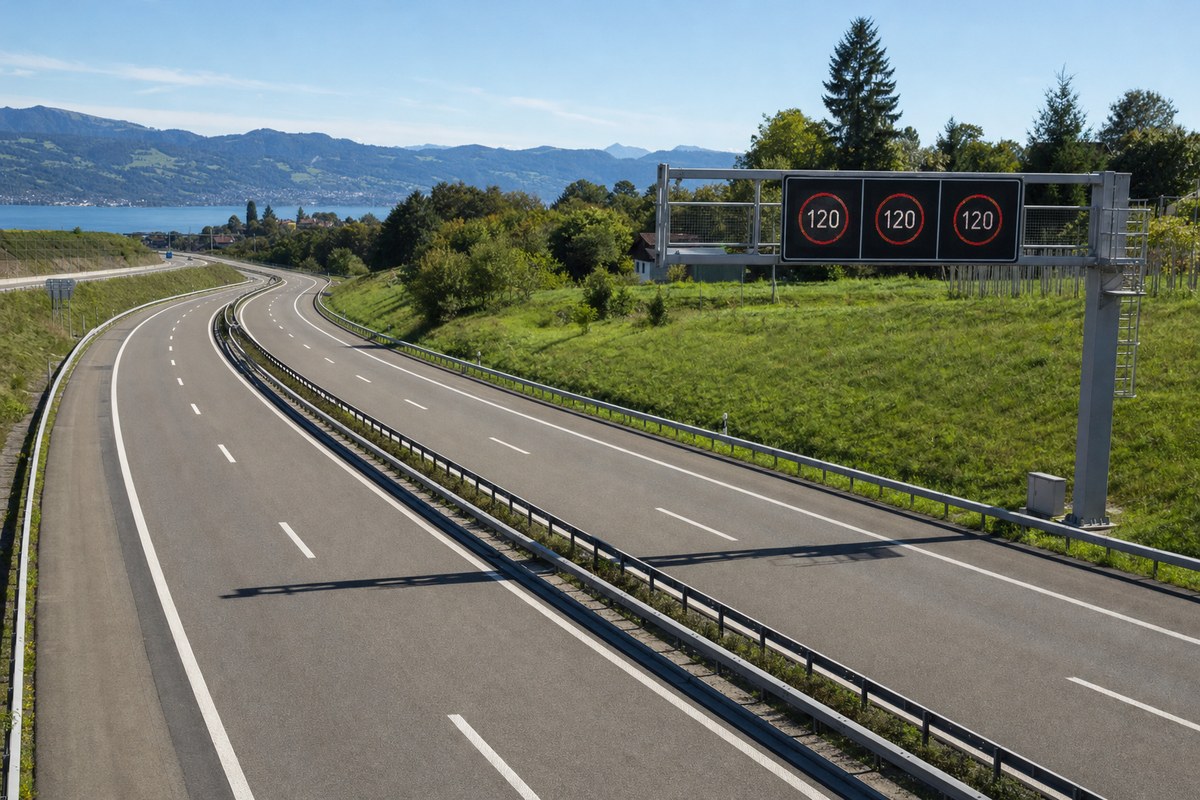
The Federal Office for National Economic Supply (BWL) has confirmed an internal government consultation on lowering the maximum highway speed in Switzerland from 120 to 80 km/h. BWL spokesperson Thomas Grünwald described the cut as one of the measures being prepared for a severe supply shortage; it could accompany ongoing releases from mandatory reserves and save additional fuel. The BWL says overall energy supply is generally secure, but describes the situation for all petroleum products as strained and fragile.
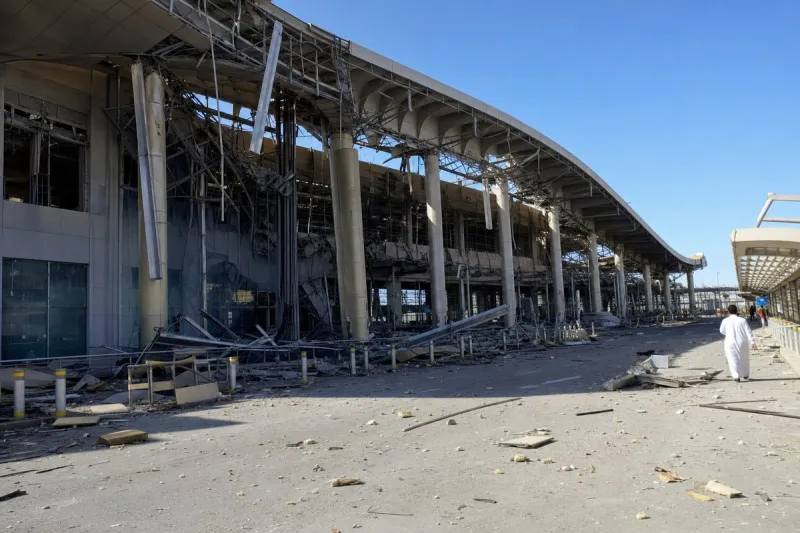
Several disruptions sit behind the shortage: record-low Rhine water levels that have effectively halted petroleum deliveries by river, an unplanned two-week shutdown of the Cressier refinery in September (normal production has since resumed), refinery maintenance in Europe, robust demand, overloaded rail logistics, and heavy rain in southern France that delayed pipeline transfers. Globally, restricted shipping through the Strait of Hormuz, Houthi attacks on ships in the Bab al-Mandab Strait and on Saudi oil facilities are straining supply chains.
Roland Pfister, the delegate for national economic supply, authorized withdrawals of up to 45,000 cubic meters of diesel from mandatory reserves from Oct. 23 to Nov. 22. That is just under 4% of available stock and roughly five days of nationwide consumption, based on domestic diesel sales of around 2.6 million metric tons in 2025. Reserve products are sold at market prices, so the release will not make fuel cheaper.
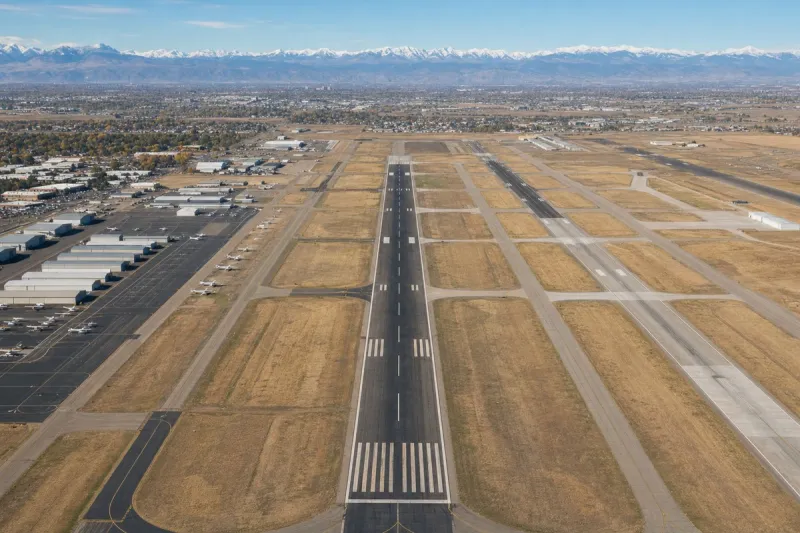
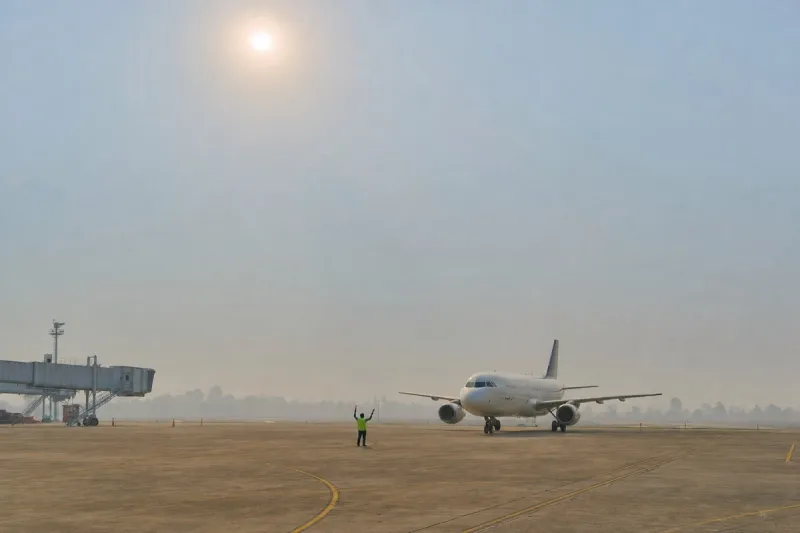
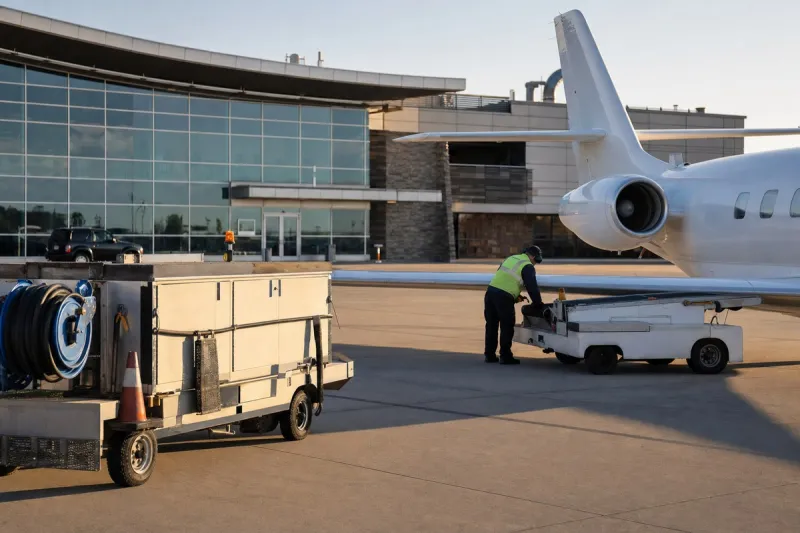
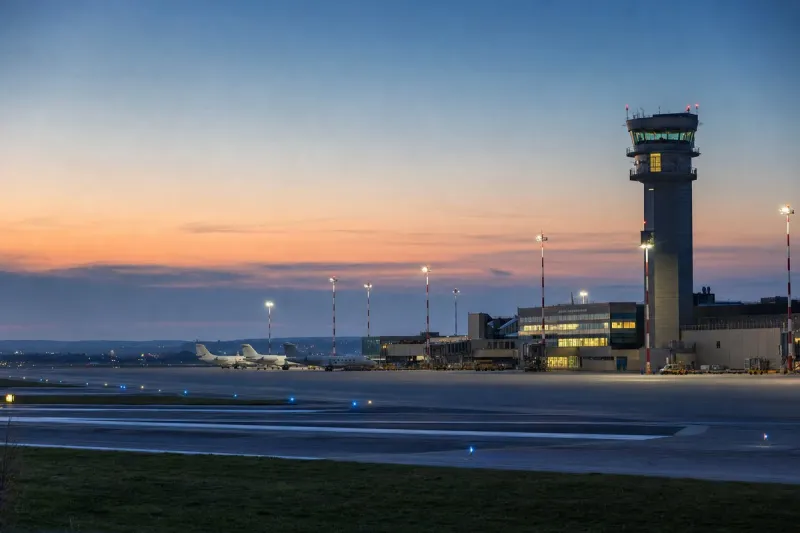
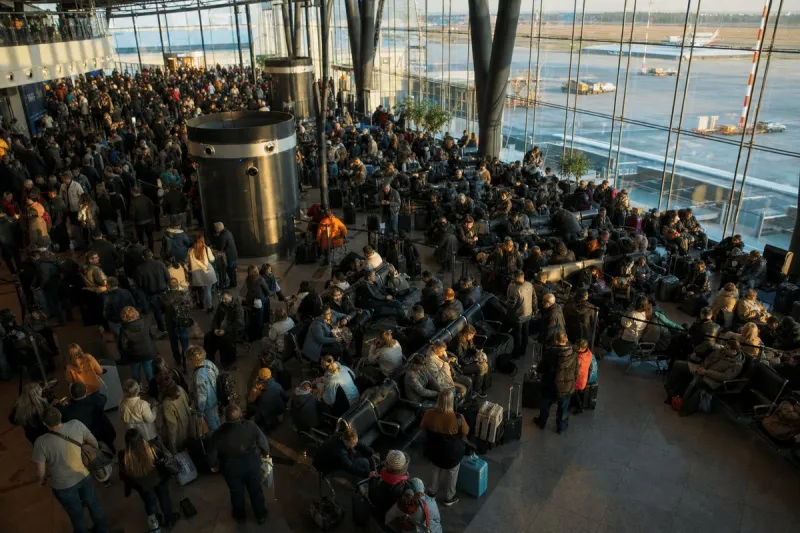
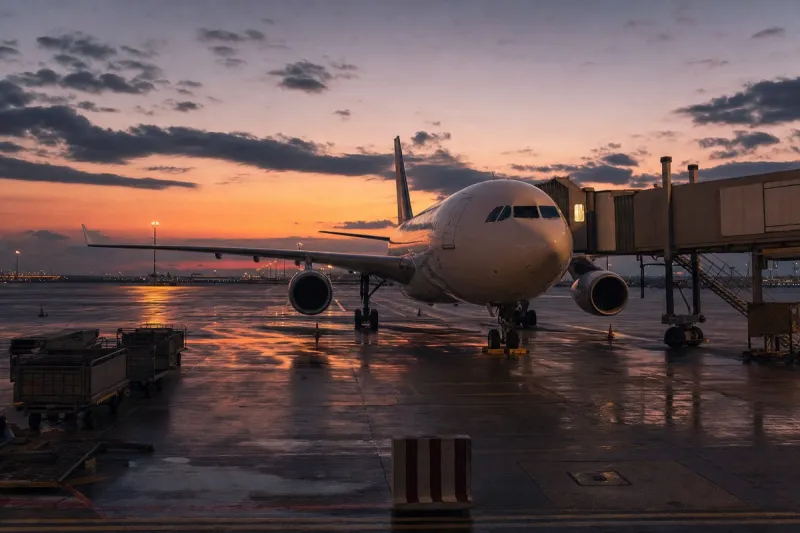
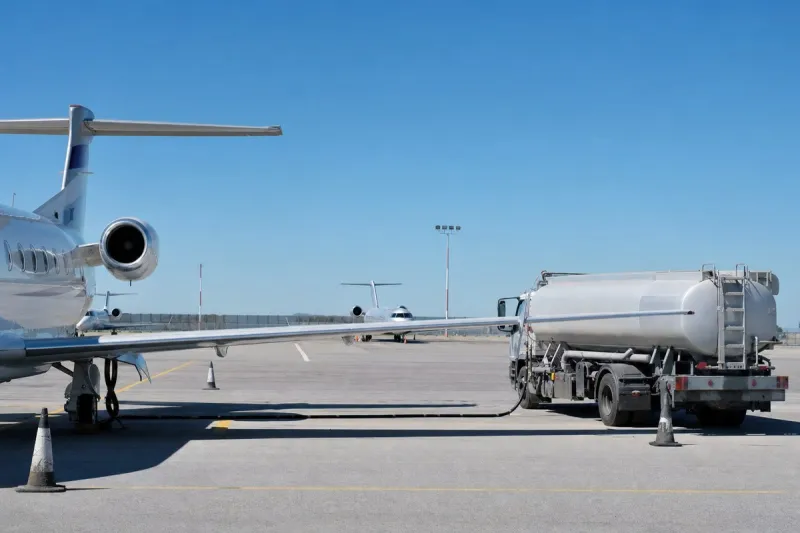
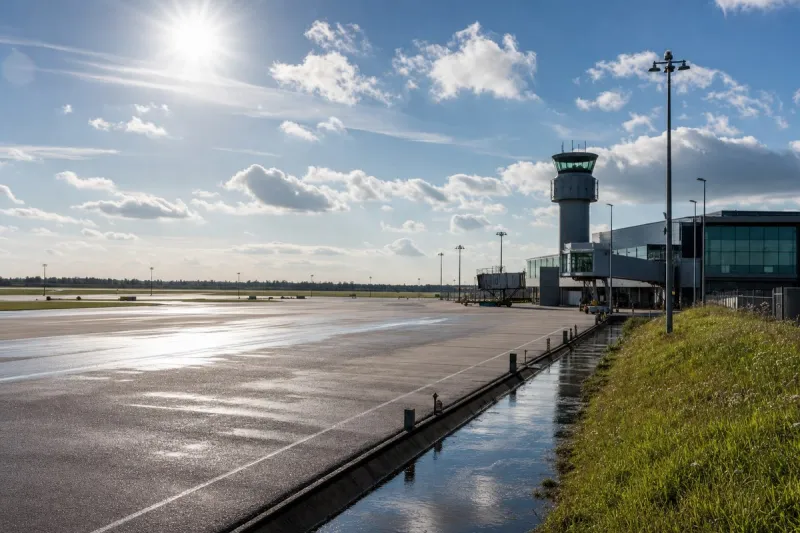
For aviation fuel, up to 30,000 cubic meters may be drawn from Oct. 15 through Nov. 1, equal to 6.5% of stock, citing disruptions in international rail freight, particularly from Germany.
How the escalation is structured
The BWL has set no fixed thresholds for when a strained situation becomes a supply shortage. Planned escalation starts with appeals to save fuel and use public transport. The Federal Council could then order lower speed limits by decree, and rationing and quotas are prepared in principle as a last resort.
The BWL has not quantified savings from an 80 km/h limit, nor settled which routes, vehicles or duration would apply, or whether electric cars would be exempt.
Industry impact & what to watch
The jet-fuel release is tied to rail freight disruption from Germany, which shows how a landlocked market's aviation fuel supply depends on inbound logistics as much as on refinery output. Low river levels, rail congestion and delayed pipeline transfers hit at once, and each removes an alternative to the others. For airports and operators in such a market, the relevant exposure is the delivery chain, not the crude price.
The release window for aviation fuel closes on Nov. 1, and the diesel window on Nov. 22. Those dates are the next milestones where a decision to extend, widen or end the reserve draw-down would become visible. Because no shortage threshold has been set, the first sign of escalation would likely be the appeal to save fuel, which precedes any decree on speed limits.