Lightning Damages Brisbane Airport's Western Runway as Seven-Centimetre Hail Hits Southeastern Queensland
Why It MattersA two-runway airport absorbs a lost runway only by running at reduced capacity, so weather damage turns into schedule knock-on across connecting services well beyond the hours of the storm itself.
What happened
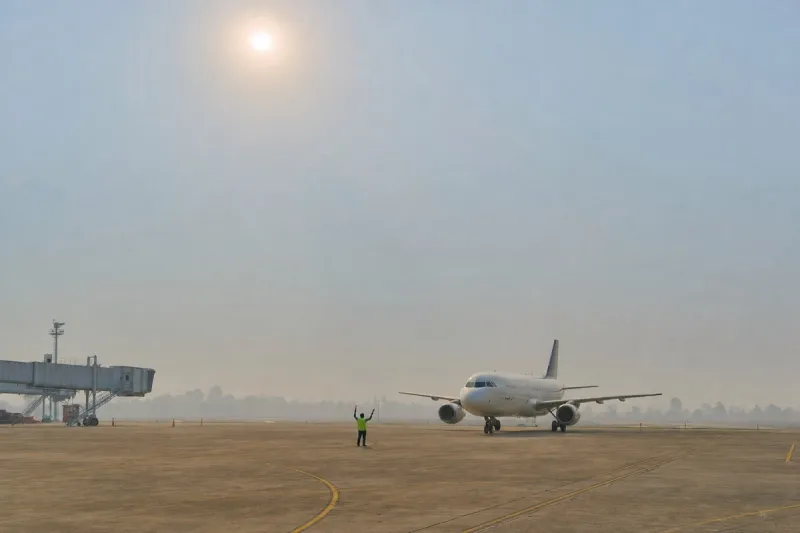
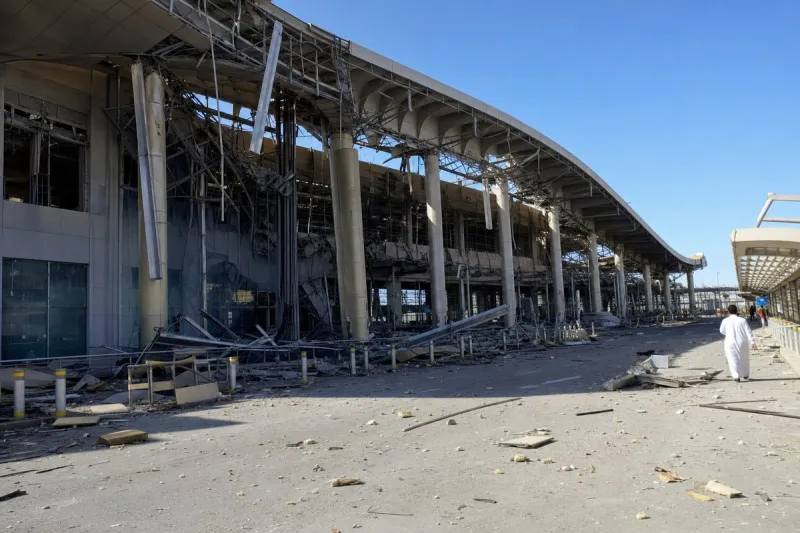
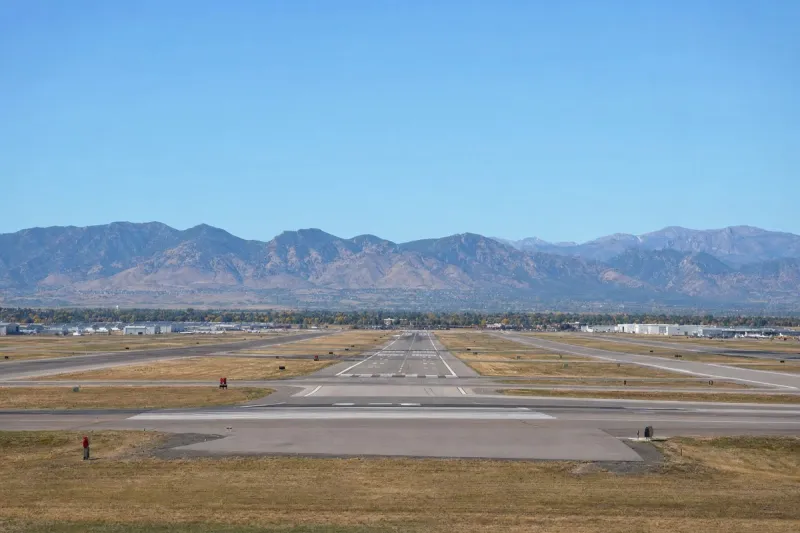
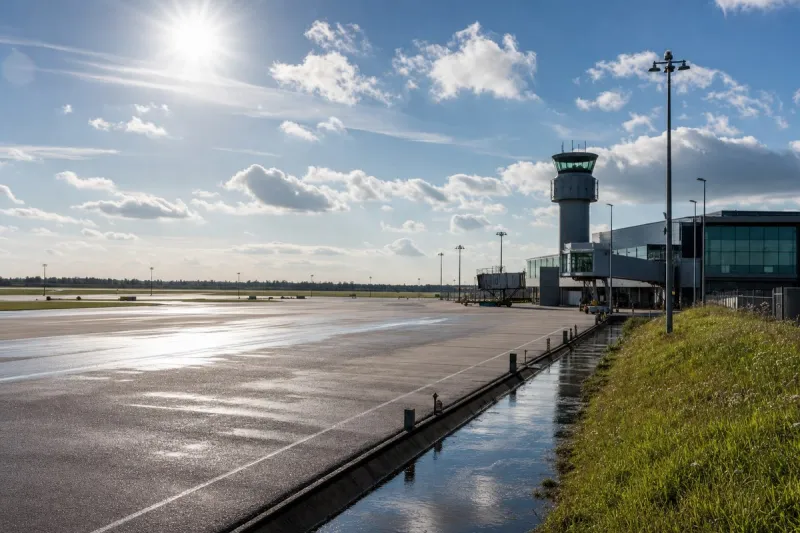
A lightning strike damaged the surface of the western runway at Brisbane Airport on October 27, forcing its temporary closure as severe thunderstorms moved across southeastern Queensland. The airport confirmed that the damage requires repairs.
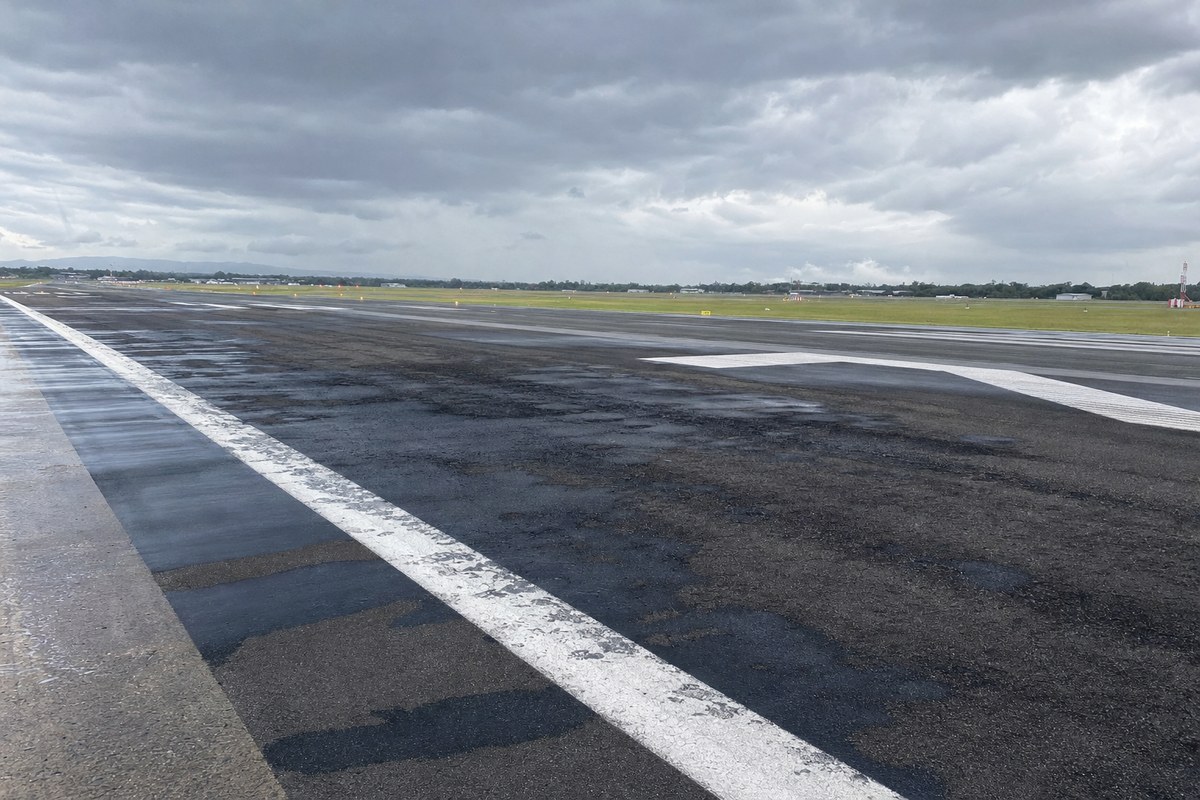
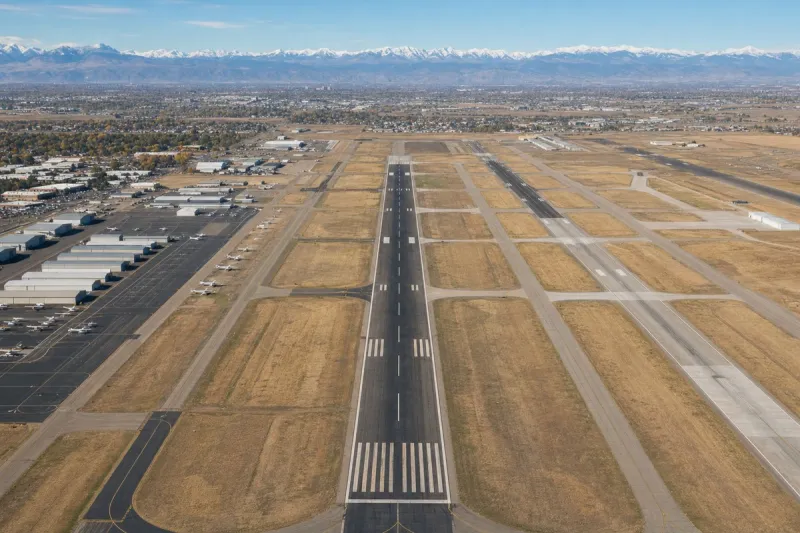
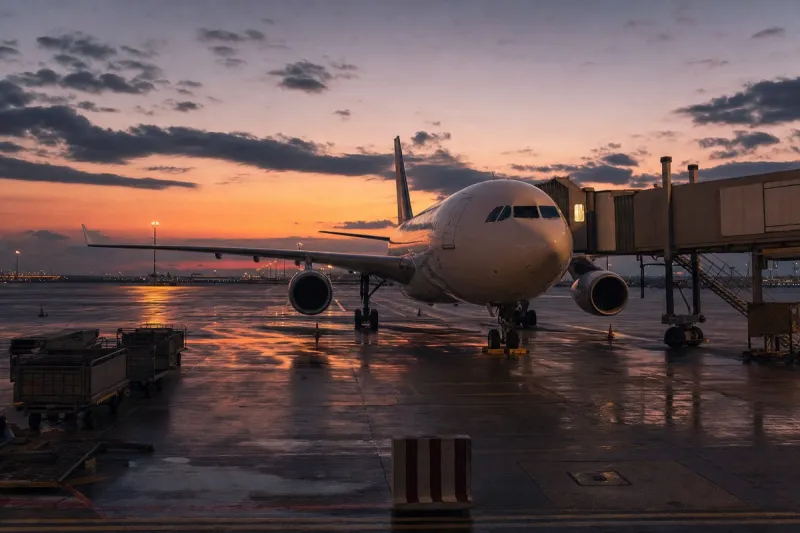
The eastern runway reopened after a safety inspection, so aircraft operations continued, although passengers faced potential delays. Brisbane Airport operates two parallel runways. Airport personnel needed to assess the western runway surface and arrange repairs before it could return to service. The airport states that lightning within five nautical miles can slow runway and apron operations for safety reasons.
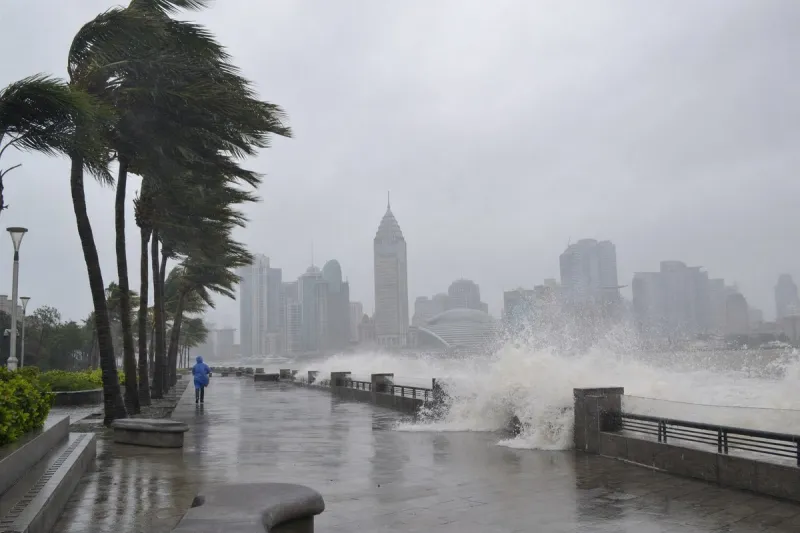
The storms produced hailstones of up to about seven centimetres in parts of southeastern Queensland, including reports from White Rock and Mudgeeraba. Other areas had intense rainfall, damaging winds and smaller but still significant hail, with impacts from the Sunshine Coast toward the New South Wales border.
In the Ipswich area, more than 1,000 households lost electricity, and flooding affected roads and low-lying areas. Travellers departing Brisbane are advised to confirm flight status with their airline before leaving for the airport, since a flight showing as scheduled may still be delayed by earlier weather disruption. Passengers connecting through Brisbane should watch short transfer times. The western runway closure is confirmed infrastructure damage and does not mean the airport has closed completely.
Why a single closed runway still matters
Two parallel runways give an airport room to keep flying when maintenance or weather takes one out of use, but the arrangement protects continuity more than capacity. With one runway carrying all arrivals and departures, the airport can handle fewer movements per hour, and the queue that builds during a storm does not clear the moment the weather passes.
The damage here differs from an ordinary weather suspension. A runway paused for lightning proximity returns to use when the threat moves on; a runway with a damaged surface stays out until it has been assessed and repaired. How long that takes was not stated, and it is the figure that determines how long reduced capacity lasts.
Disruption also travels through airline schedules. A delayed morning rotation pushes later departures back, which is why short connections through Brisbane, including those from other Australian cities, carry the most exposure.
Industry impact & what to watch
Lightning damage to a runway shows how thin the margin is at airports that rely on a parallel pair. The second runway keeps the airport open, but the schedule absorbs the loss in the form of delays that outlast the storm, and the burden falls hardest on airlines running tight turnarounds and on passengers with short connections.
The cost of such an event is set less by the storm than by the repair. A runway out for hours is a bad afternoon; one out for days becomes a planning problem for every carrier that builds its Brisbane timetable around two runways.
The next fact that matters is the airport's own repair timeline for the western runway and the date it returns to service. Until that is published, the extent of the knock-on across airline schedules cannot be gauged.