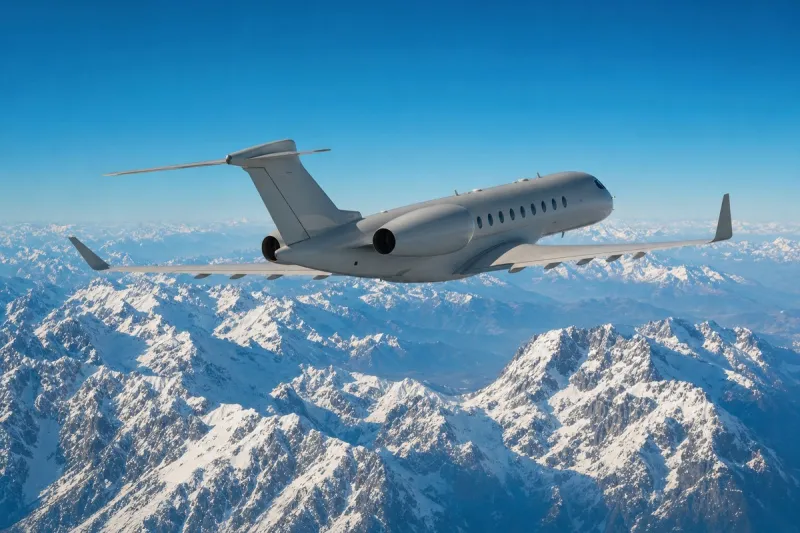
Hawker 4000 Super-Midsize Jet: Carbon-Composite Airframe, 3,341 nm Range, Production Ended in 2013
Why It MattersThe Hawker 4000 shows how a technically ambitious airframe becomes a pre-owned-only product when its maker exits the segment, leaving residual value tied to the strength of third-party support.
What happened
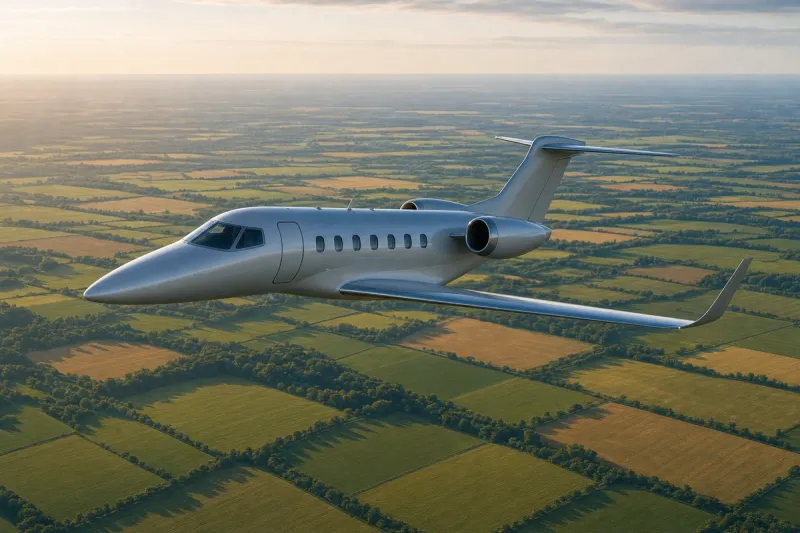
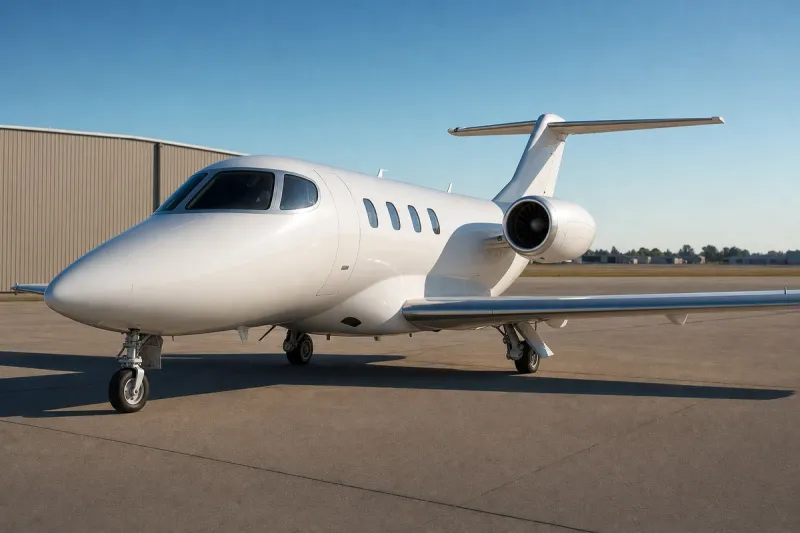
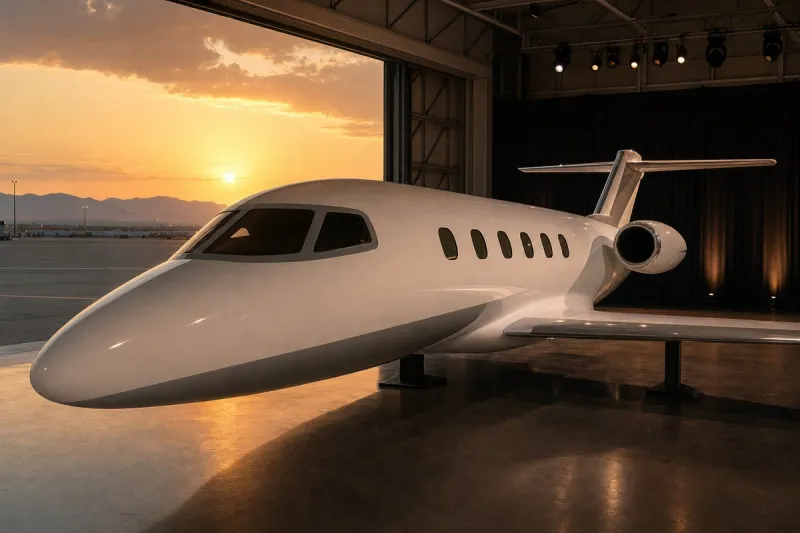
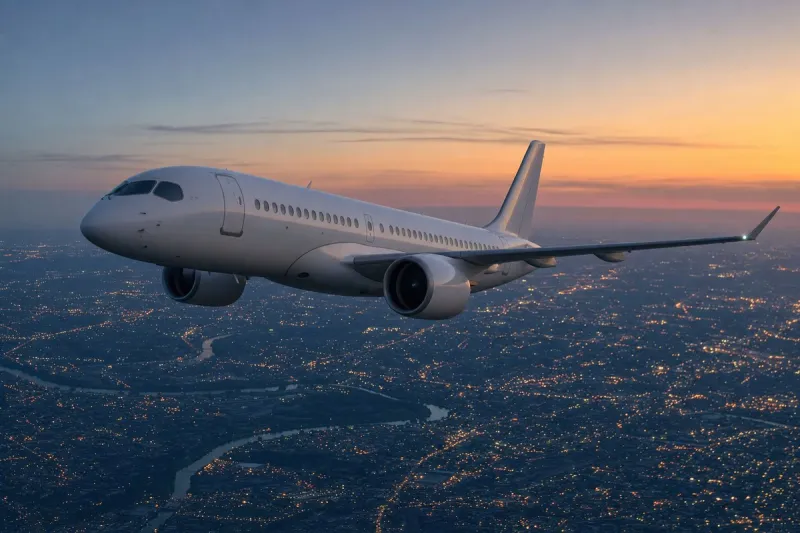
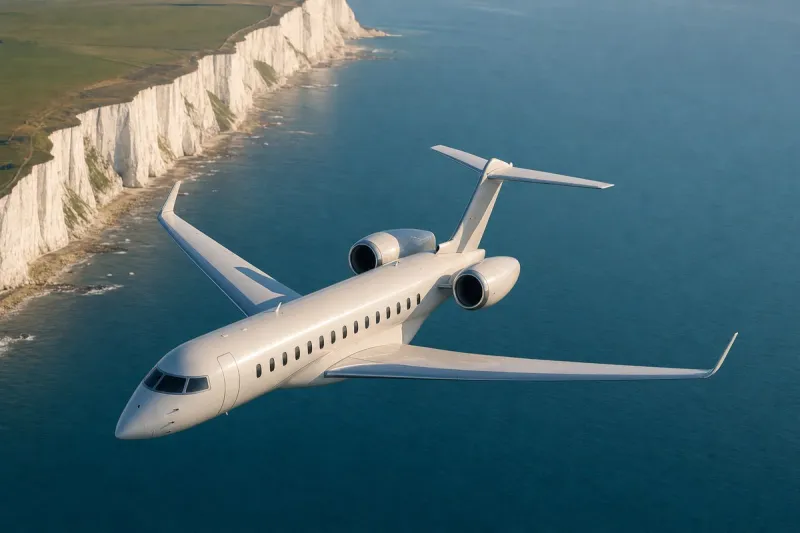
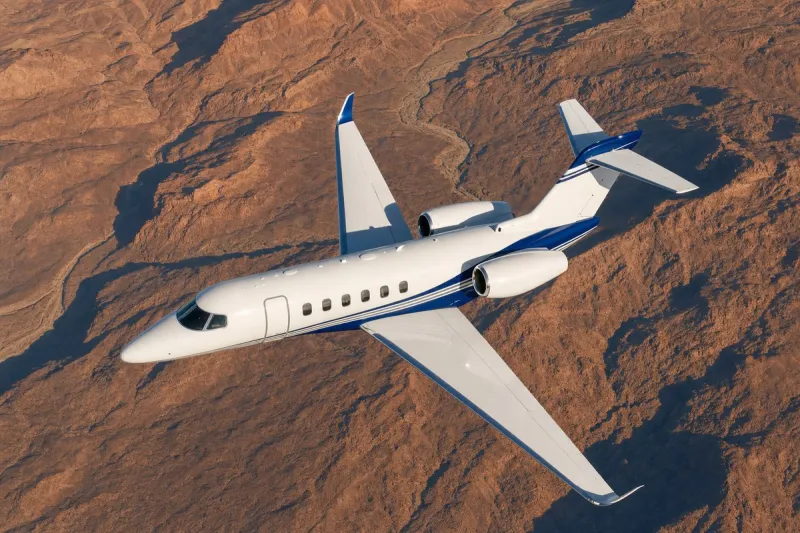
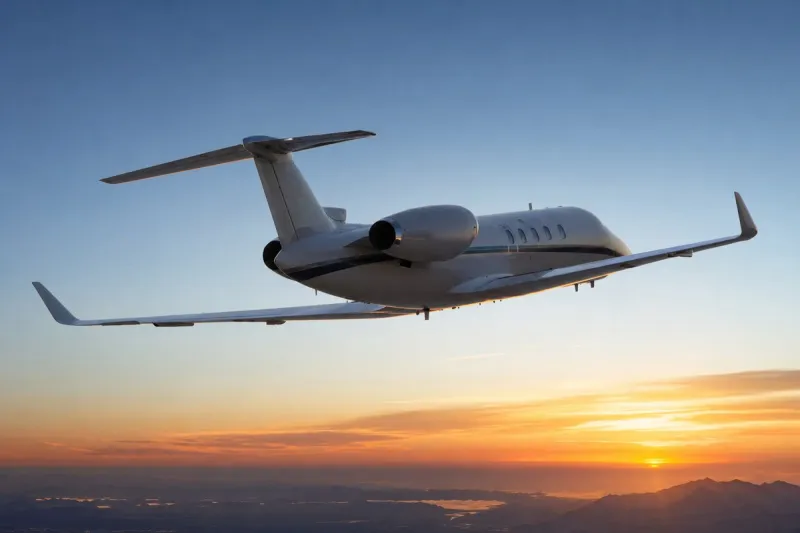
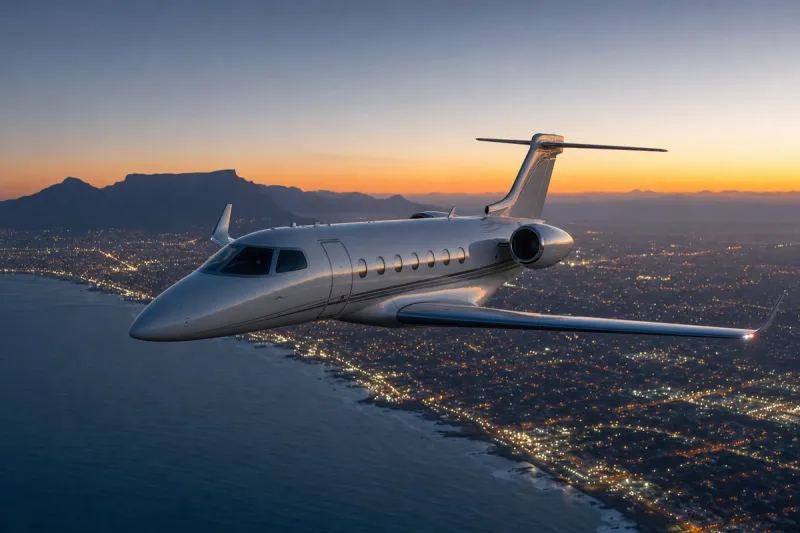
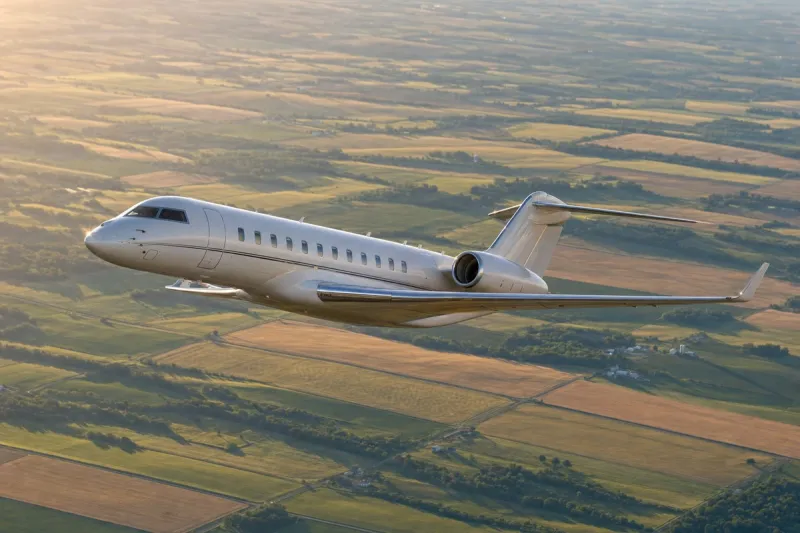
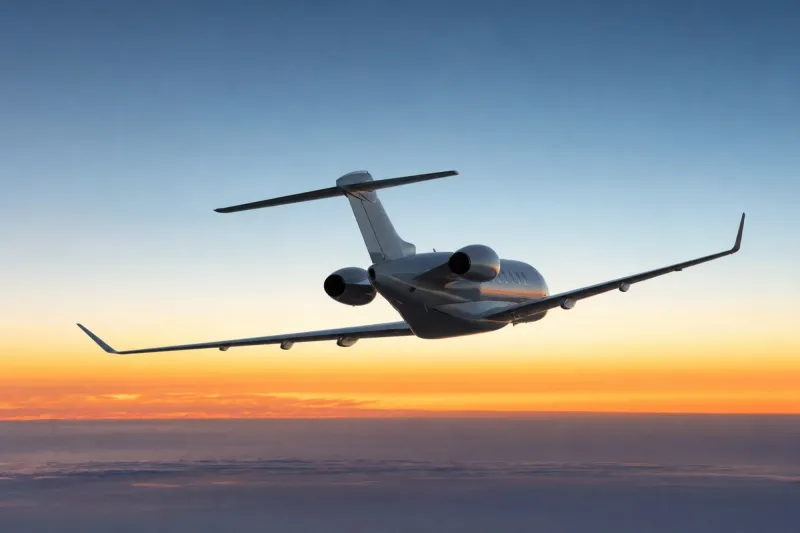
The Hawker 4000 is a super-midsize business jet, larger than a midsize jet and smaller than a large-cabin long-range jet. Hawker Beechcraft described it as the first aircraft in its class to use carbon-composite construction. Raytheon announced the design in November 1996 as a jet larger than the Hawker 1000, then the top of its range. Under its first name, the Hawker Horizon, it was meant to fly in 1999, but the program ran late.
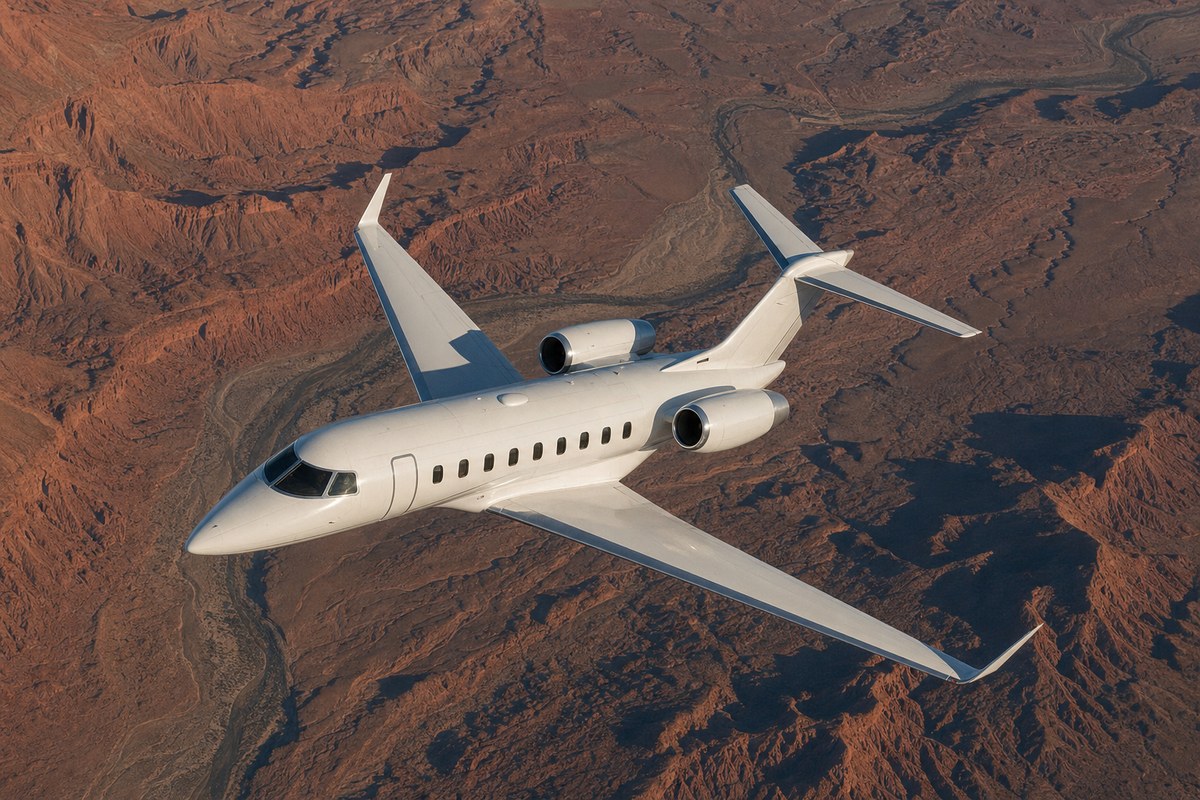
A development aircraft made its public debut at the National Business Aviation Association (NBAA) convention in November 2002. On December 2, 2005, NetJets ordered 50 aircraft, the largest single commercial order in Raytheon Aircraft's history. The FAA granted type certification on November 21, 2006, and China's Civil Aviation Administration certified the aircraft in December 2009.
Hawker Beechcraft filed for Chapter 11 bankruptcy on May 3, 2012. All Hawker business jet production, including the Hawker 4000, ended in 2013. The company emerged in February 2013 as Beechcraft Corporation without its jet business, and Textron Aviation acquired Beechcraft in 2014. When Hawker Beechcraft restructured, it won court approval to cancel warranty coverage for the Hawker 4000, along with an upgrade and enhancement program for early Hawker 4000s.
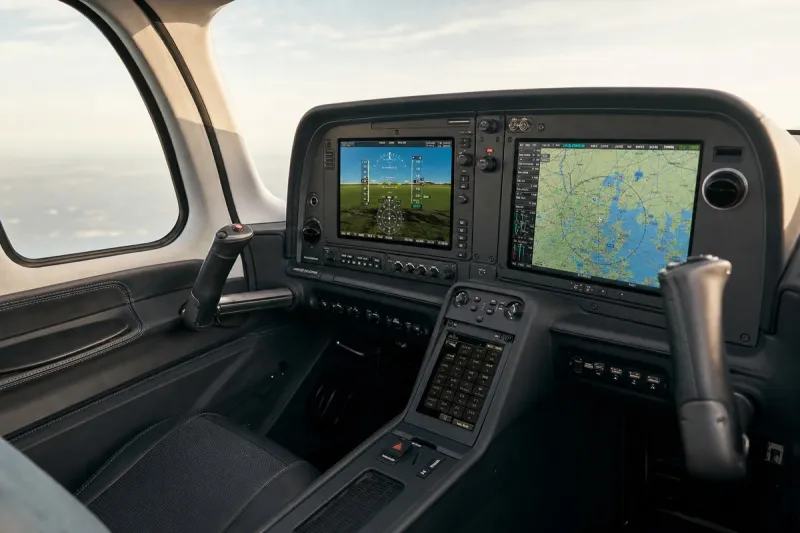
The aircraft is powered by two Pratt & Whitney Canada PW308A turbofans, each producing up to 6,900 pounds of thrust. Its flight deck uses the Honeywell Primus Epic avionics suite, with an engine-indicating and crew-alerting system (EICAS), full-authority digital engine control (FADEC) and autothrottle.
Performance and cabin
Hawker Beechcraft's own performance page, which marked the figures as preliminary, lists a high-speed cruise of 470 kt (541 mph) at Mach 0.82 at FL 410 and a long-range cruise of 430 kt at Mach 0.75 at FL 450. Range is 3,341 nm with four passengers, ferry range is 3,466 nm, and the certified ceiling is 45,000 ft.
Takeoff field length is 4,509 ft at maximum takeoff weight and sea level; landing distance is 2,916 ft at maximum landing weight and sea level. Vref is 132 kt, and time to climb to FL 370 is 13 minutes. The carbon-composite airframe is lighter than a standard aluminum structure would allow, which helps its range.
The cabin seats up to ten passengers depending on layout, with eight as a typical configuration, and an eight-seat layout can be fitted with fully articulated executive seats. The cabin is about 25 feet long, 6 feet 6 inches wide and 6 feet high, with an average of about six feet of standing room. The baggage compartment at the back can be loaded through an exterior door and reached by passengers through the cabin in flight.
Industry impact & what to watch
The Hawker 4000 is traded only on the pre-owned market. Aircraft of a comparable role and era include the Bombardier Challenger 300 and the Cessna Citation X, which gives used-jet buyers established alternatives to weigh against a type whose manufacturer no longer builds jets.
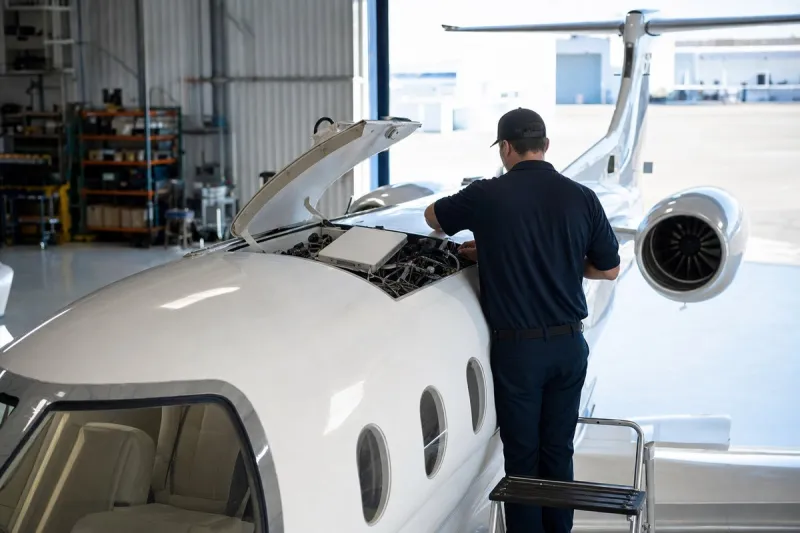
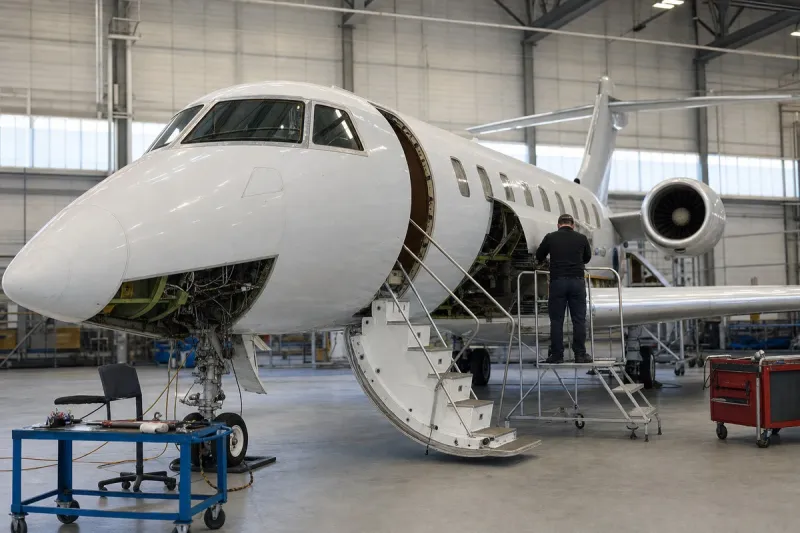
In the pre-owned segment, a type's value depends heavily on who stands behind it. With production over and warranty coverage cancelled in the restructuring, maintenance history and the identity of the support provider become the central factors in how a given airframe is priced and whether it can be kept flying economically.
The practical check for any buyer is to confirm, aircraft by aircraft, the maintenance record and the support arrangement before comparing price and performance figures.