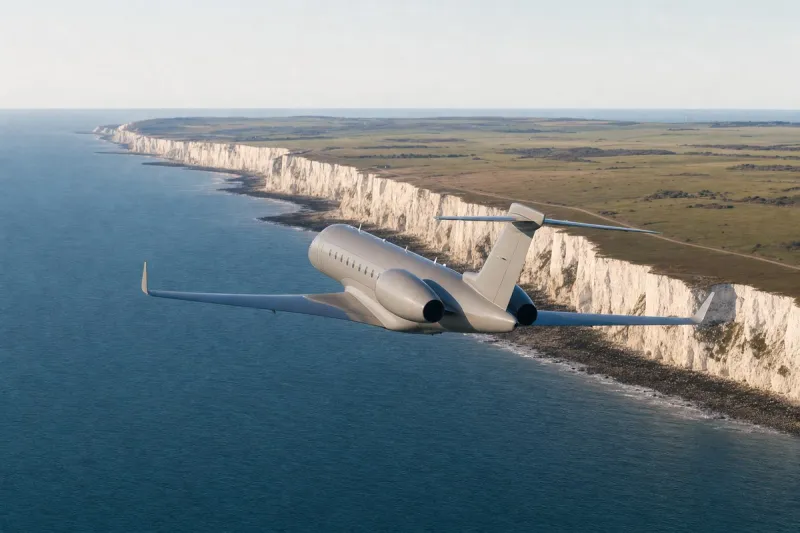
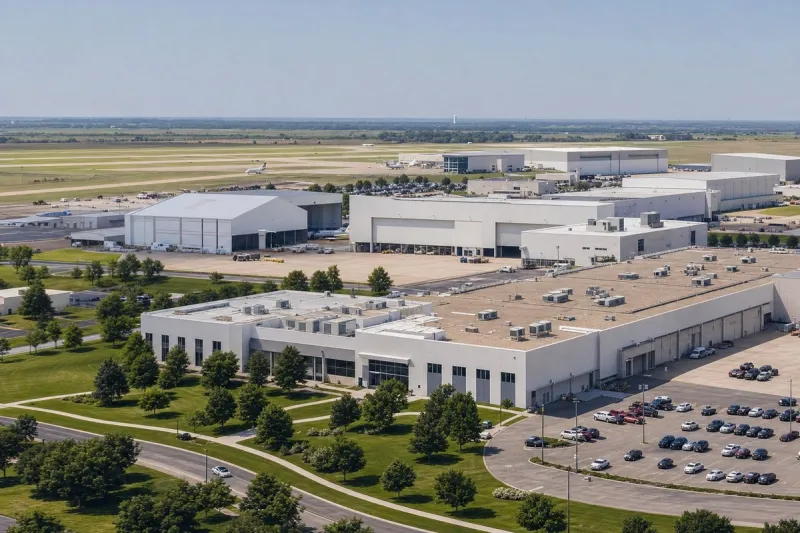
Flyte Aviation Congratulates Cirrus on Vision Jet's 10th Anniversary, Plans to Expand Fleet to Eight Aircraft
Why It MattersRegional light-jet operators build growth on a single airframe type, so fleet expansion, new geographies and utilization depend on aircraft financing, maintenance capacity and crew availability rather than on aircraft supply alone.
What happened
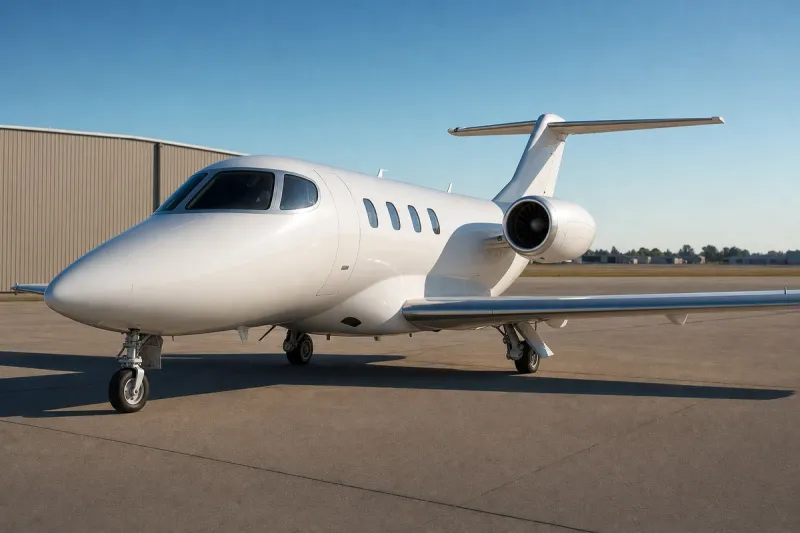
Flyte Aviation, Inc. (NYSE American: VJET), which describes itself as one of the nation's largest operators of Cirrus Vision Jets, congratulated Duluth, Minnesota-based Cirrus Aircraft on the Vision Jet's 10th anniversary and on more than 800 new aircraft deliveries worldwide. Flyte currently operates five Vision Jets and plans to increase its fleet to eight, with an intention to double it to ten, in the first quarter of 2027.
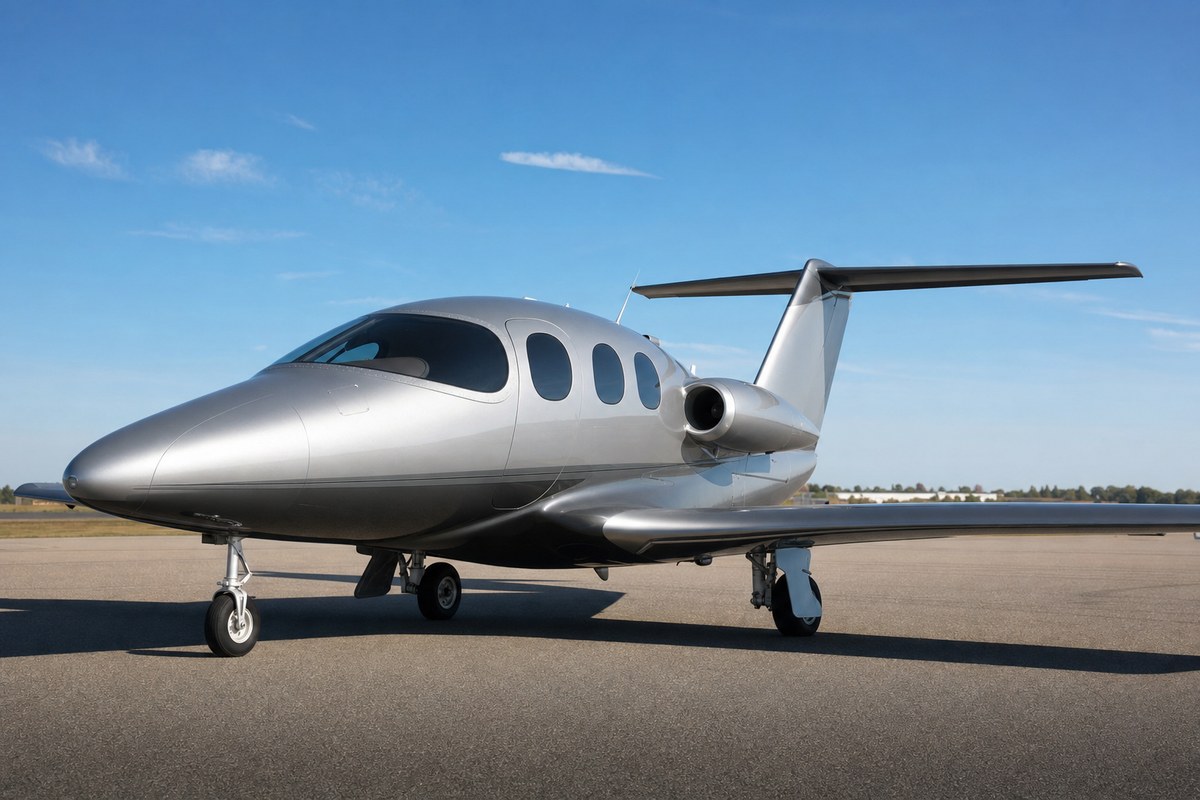
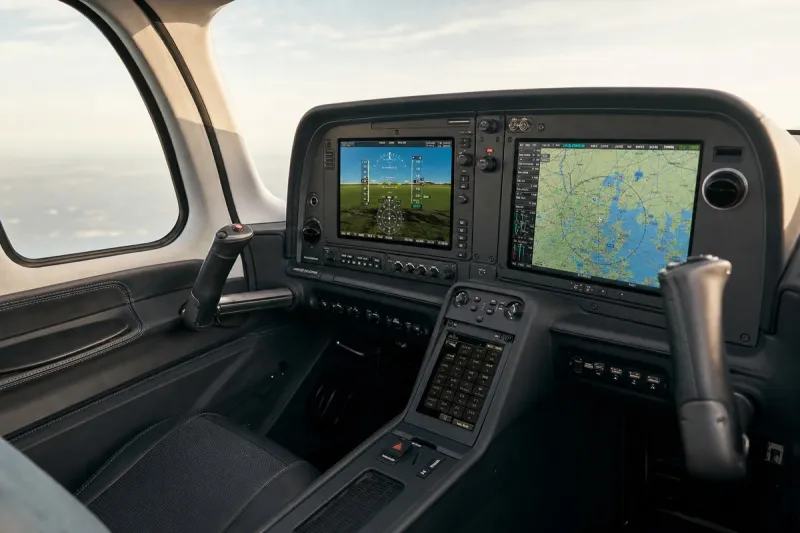
The Vision Jet was first certified by the Federal Aviation Administration (FAA) in 2016. It combines single-engine efficiency, advanced avionics and the Cirrus Airframe Parachute System (CAPS), an integrated parachute for the entire aircraft. Later advancements include Garmin Safe Return Emergency Autoland, which can land an equipped aircraft automatically in an emergency.
David Jenkins, Flyte Aviation Chairman and Chief Executive Officer, said Flyte built its regional private aviation strategy around the aircraft because of its combination of safety, efficiency, technology and passenger experience. He said the business model centers on converting those advantages into more bookings, stronger aircraft utilization and repeat business.
Flyte's service footprint and fleet plan
Flyte provides regional private air travel for one to four passengers, connecting customers with airports closer to their homes, businesses and destinations. Its service footprint extends along the East Coast, with international service to Canada and the Bahamas. Florida is currently its strongest market, and California service is planned to begin in the first quarter of 2027.
The company expects the planned fleet expansion to generate increased revenue, aircraft availability and broader regional coverage. Flyte pairs its aircraft network with digital booking technology and transparent all-in pricing.
Flyte's operated charter services are conducted through Ponderosa Air, LLC, an FAA-certified Part 135 air carrier. The company describes its fleet expansion, geographic growth and California service as forward-looking plans subject to risks including aircraft acquisition and financing availability, maintenance requirements, regulatory approvals, staffing and customer demand.
Industry impact & what to watch
Flyte's plan shows how a regional operator can organise its economics around one light-jet type. A single-type fleet concentrates training, maintenance and scheduling knowledge, and the company ties its model directly to bookings, utilization and repeat business, which are the measures that decide whether added aircraft pay for themselves.
Fleet growth of this kind rests on conditions the company itself lists: aircraft acquisition and financing, maintenance capacity, regulatory approvals and staffing. The step from five aircraft to eight and then ten is a demand test as much as a supply one, and the California launch adds a new region to the same fleet.
The first quarter of 2027 is the milestone to follow. It is the date given for both the fleet increase and the start of California service.