Pratt & Whitney Canada Unveils Certified PT9 Turboprop, Daher Expands Kodiak Mission Integration, BETA Gets FAA Special Airworthiness Certificate for Alia 250
Why It MattersTogether the three announcements show certification and mission-specific integration becoming the competitive ground in light aviation, spanning turboprop propulsion, utility aircraft configuration and the FAA's testing route for electric vertical-lift aircraft.
What happened
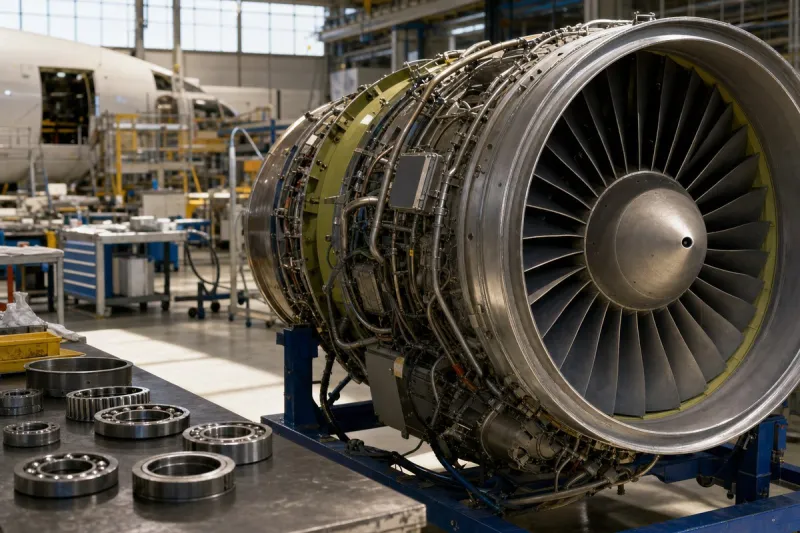
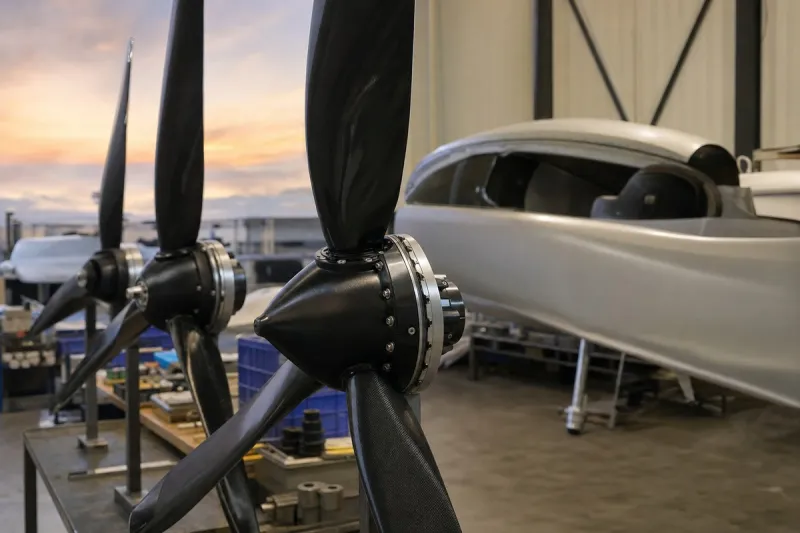
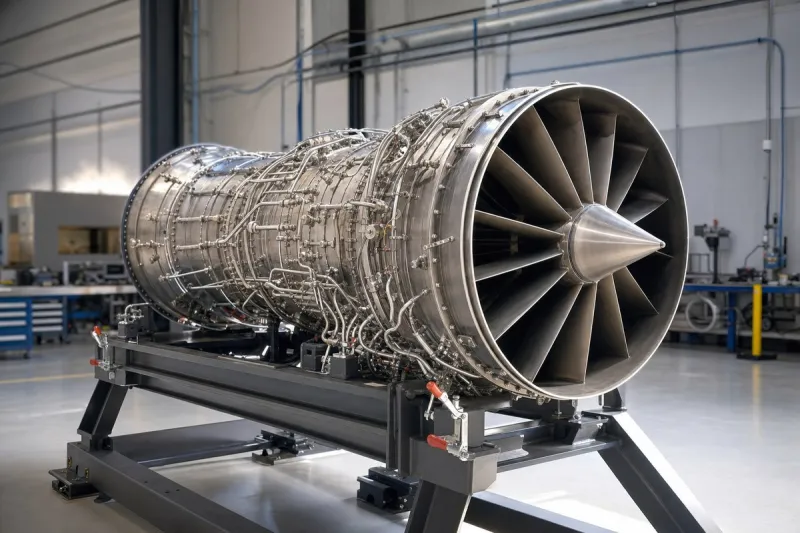
At NBAA-BACE 2026, Pratt & Whitney Canada unveiled its PT9 turboprop engine, which Transport Canada has already certified after 14,000 development hours. The company says the engine delivers 33% more power at altitude and cuts fuel consumption by 20% compared with the previous-generation PT6. The PT9 is not a replacement for the PT6 family and will mainly be deployed on larger aircraft, including twin-engine types.

The engine features new digital capabilities and modular construction that allow integration on a range of airframes, including a hybrid powertrain. Production will take place in Lethbridge, Alberta.
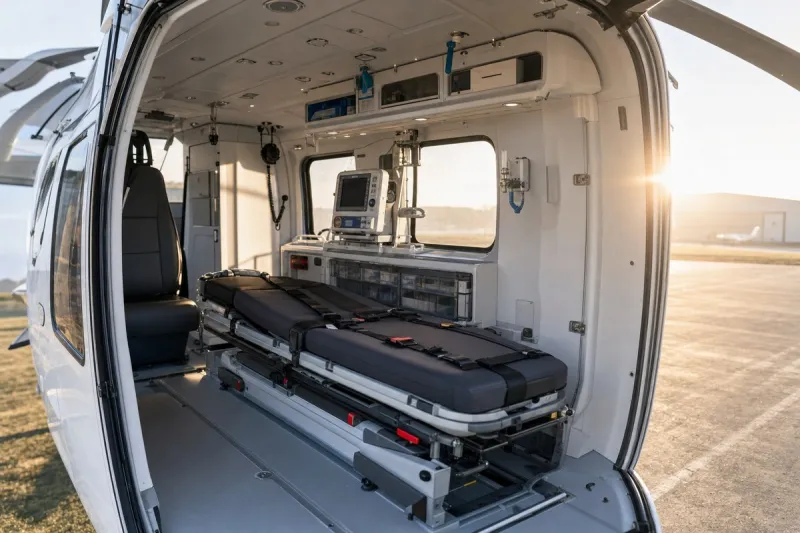
Daher stepped up integration of specialised systems on Kodiak 100 and Kodiak 900 aircraft for multi-mission operators. It recently integrated Canyon's AeroConnect digital audio control system, an expanded radio configuration and an Air Tactical Group Supervisor capability on a new Kodiak 900 for the Montana Department of Natural Resources and Conservation. The Air Tactical Group Supervisor is an airborne firefighter position responsible for coordinating the airspace around an incident. From the rear operator's station in the cabin, an observer can simultaneously monitor radio communications.
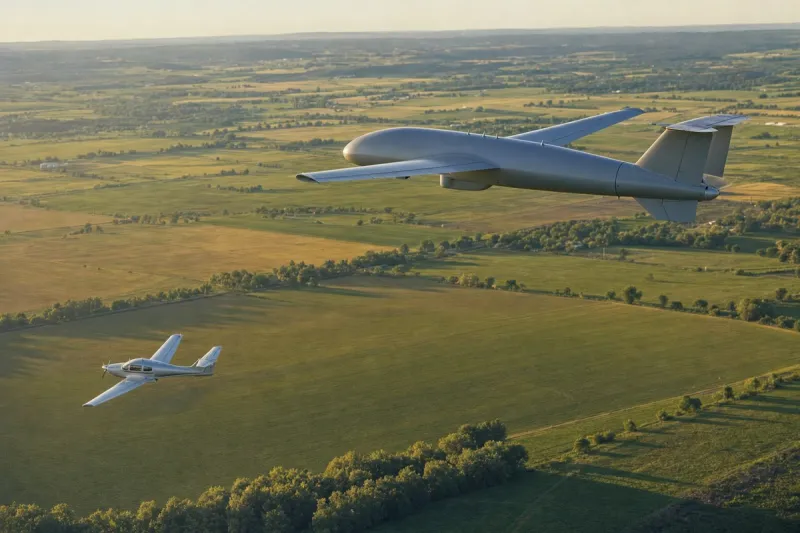
BETA Technologies secured a special airworthiness certificate from the FAA for its Alia 250 eVTOL, issued under Part 21 of the FAA's regulations. The authorisation lets BETA fly with operators and key stakeholders to conduct market surveys. It is a first for an eVTOL and forms part of the eVTOL Integration Pilot Program announced in March, which is designed to test advanced air mobility aircraft in real-world environments.
The A250 completed its first flight under the authorisation on October 20th, 2026, covering 34nm in 20 minutes from Plattsburgh International Airport in New York to a vertiport.
Industry impact & what to watch
The three items sit at different points of the light-aviation stack, yet each turns on the same thing: getting a product into a form that regulators and operators can actually use. A certified engine, a configured mission aircraft and a special airworthiness certificate are all evidence that a product has moved beyond the demonstration stage.
For propulsion, positioning the PT9 beside the PT6 rather than above it suggests engine makers are segmenting the turboprop market by aircraft size, with the larger and twin-engine end now served by a new design. The modular and hybrid-capable architecture also signals that engine programmes are being built to fit several airframe concepts at once.
For utility aircraft, the Kodiak work shows how value in multi-mission operations increasingly comes from the installed systems and crew stations, not only from the airframe. Firefighting coordination is a role where communications integration directly determines how useful the aircraft is.
For advanced air mobility, a Part 21 special airworthiness certificate that allows flying with operators and stakeholders for market surveys gives the FAA's integration programme its first eVTOL data point of this kind. The next milestones to follow are the surveys themselves and the further flights BETA conducts under the authorisation.