Oxfam: One Private Jet Flight Emits as Much CO2 as One Person in a Year; Fleet Emitted 16 Million Tonnes in 2025
Why It MattersPer-flight emissions comparisons and tax proposals aimed at private jets put business aviation's carbon footprint at the centre of climate policy debate ahead of COP31, raising regulatory and reputational pressure on operators.
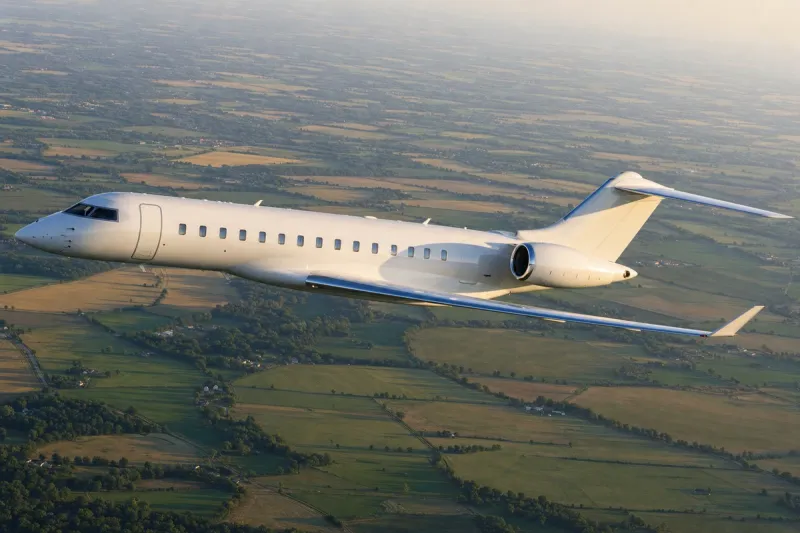
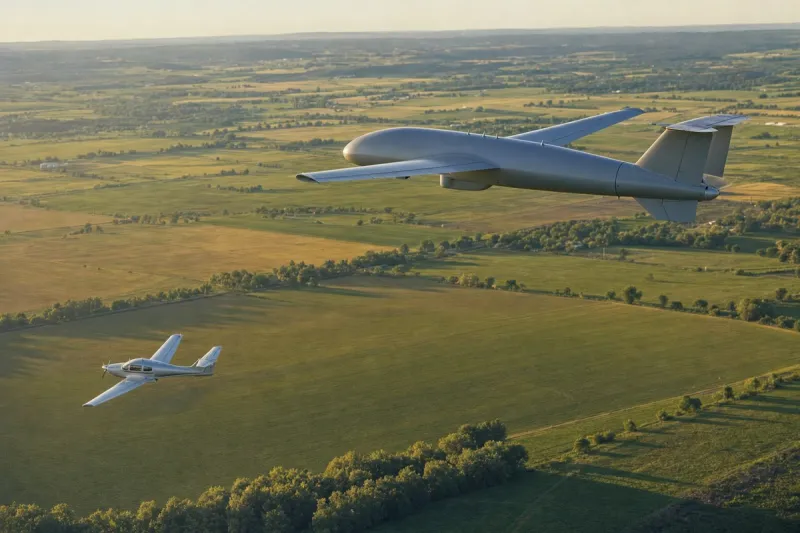
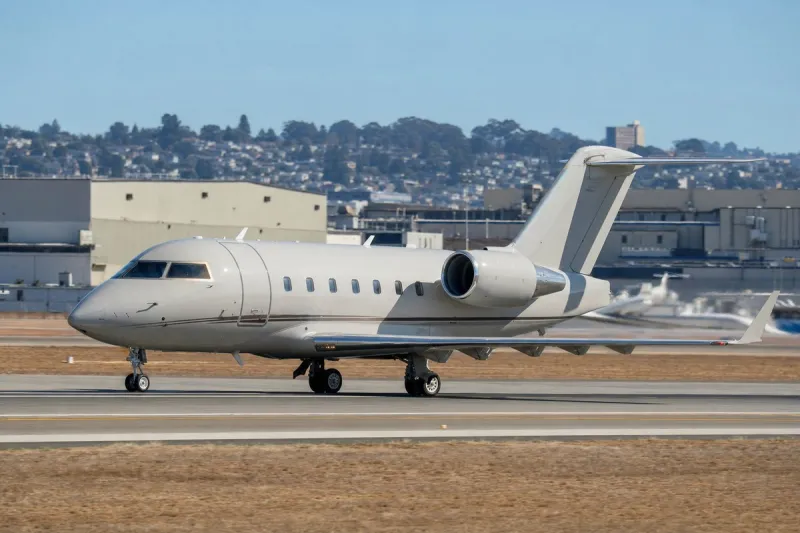
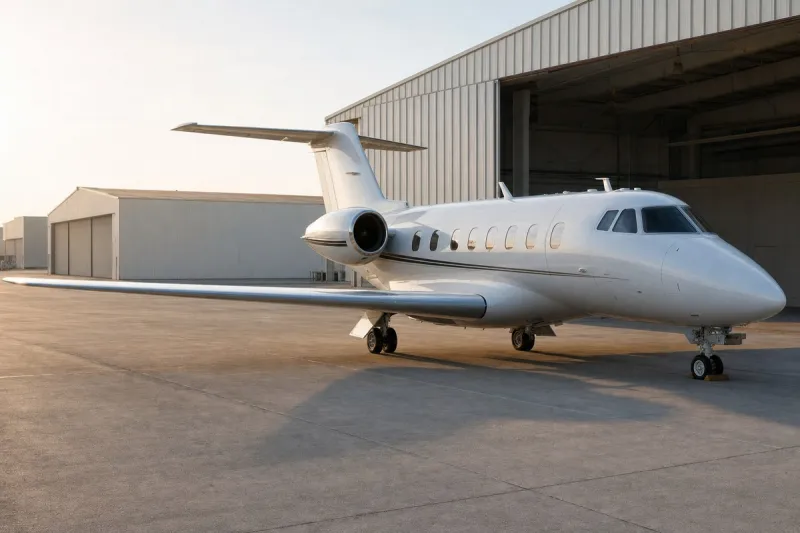
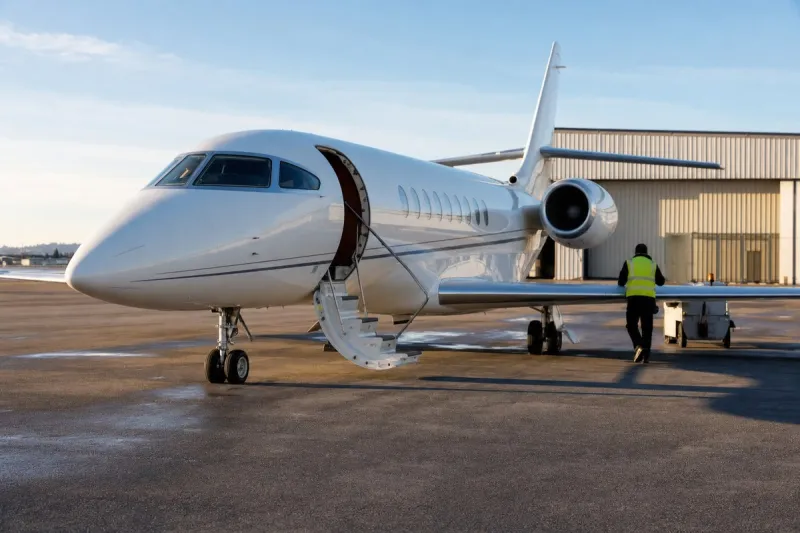
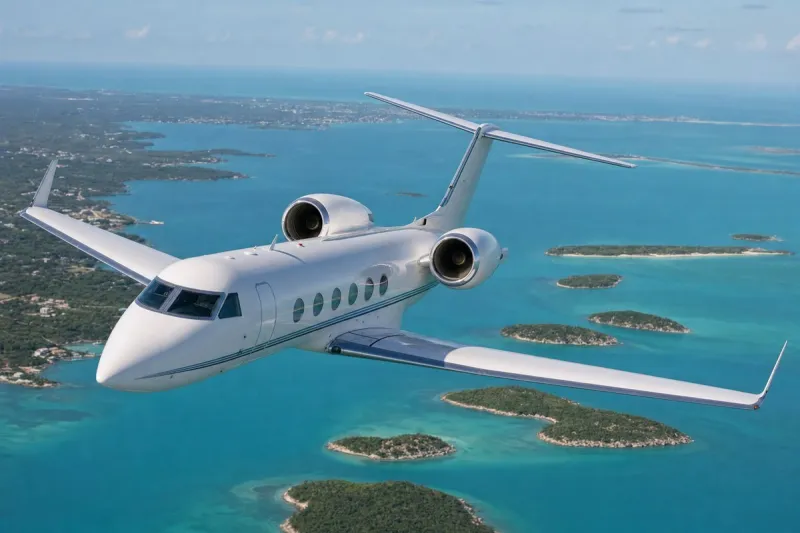
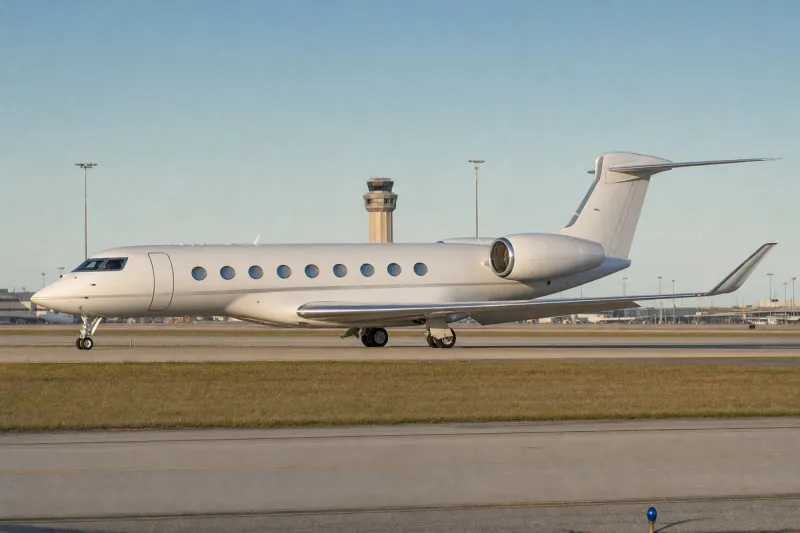
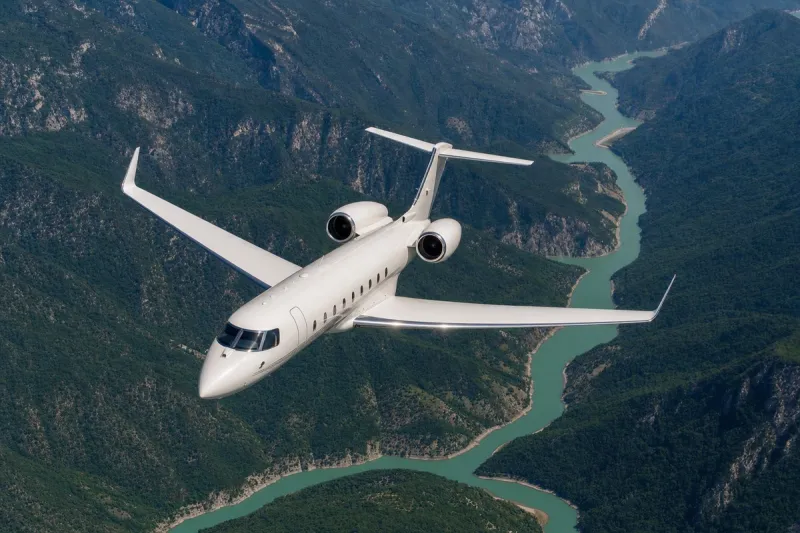
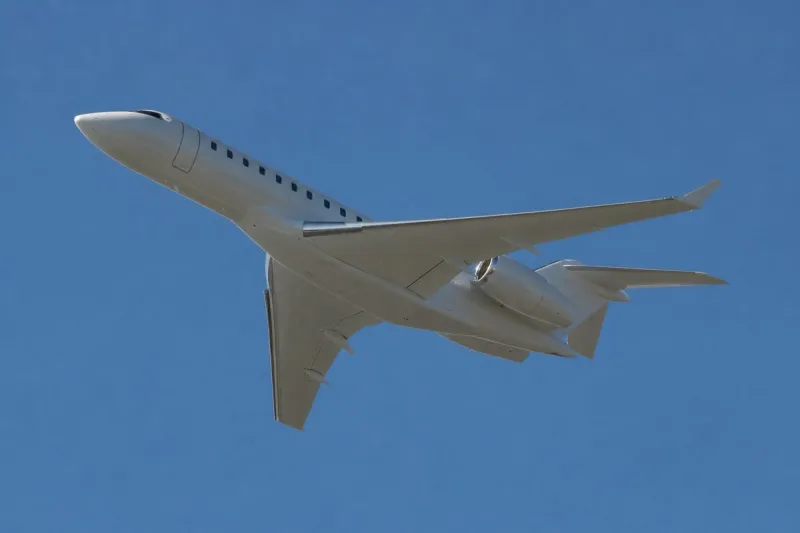
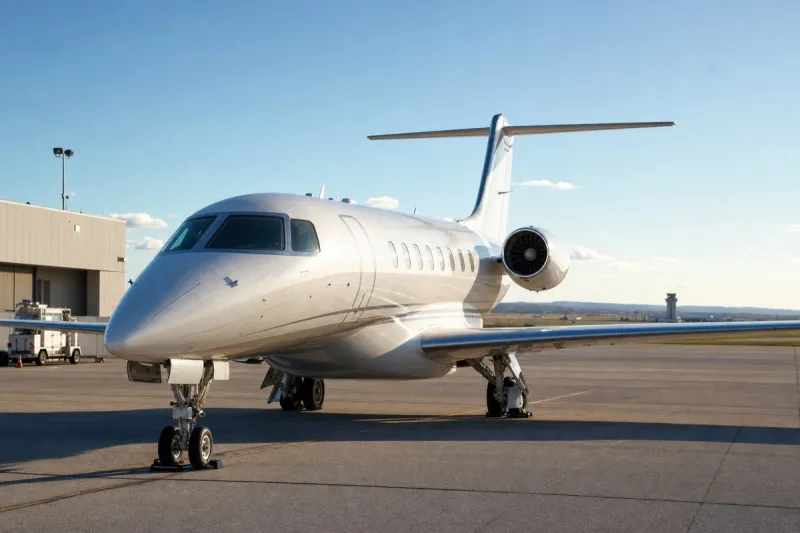
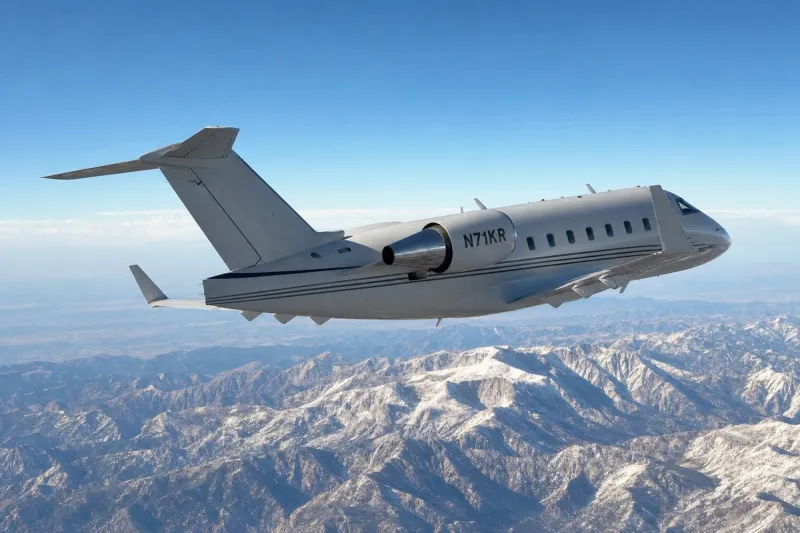
An average private-jet flight emits roughly the same amount of carbon dioxide as one person does in a full year, according to Oxfam's new report, Disaster Divide, published on October 27. One such journey can last hours, with estimated emissions reaching 3.7 tonnes of CO2. The comparison concerns emissions from the entire aircraft's flight, not per passenger.

Oxfam estimates that private jets collectively emitted 16 million tonnes of CO2 in 2025 and spent more than 6.5 million hours airborne, equivalent to roughly 750 years. The charity based its estimates on private-jet tracking data and published aviation research. It says private aviation serves around 250,000 people, about 0.003% of the global population, and that the whole fleet's emissions exceed in just two seconds what someone in the poorest half of humanity produces in a year.
The report's broader finding is that the richest 0.1 percent, around eight million people, generate more carbon pollution than the poorest 3.5 billion people combined. Oxfam says a person in the richest 0.1 percent has contributed nearly 400 times more to today's extreme heatwaves than someone in the poorest 50 percent, and that the richest 1 percent are responsible for 20 percent of global warming since 1990. One year of their emissions will cause 1.9 million excess heat-related deaths, 78 percent of them in low- and lower-middle-income countries.
The report also introduces a Destroy & Rebuild Index identifying 217 corporations that profit both from industries fuelling climate breakdown and from disaster preparedness, recovery and reconstruction. BlackRock and Vanguard are invested in 92 percent of them, with combined investments of more than $1 trillion.
Ahead of the COP31 climate summit in Türkiye, Oxfam is calling on governments to impose punitive taxes on high-emitting luxuries such as private jets, permanent wealth and income taxes and a permanent tax on fossil fuel corporations, and to substantially increase grant-based climate finance for the Global South, tripling adaptation funding by 2035. Oxfam International Executive Director Amitabh Behar said: "The climate crisis is often described as a shared human challenge. It is not."