Masayoshi Son's 11-Hour Flight Tops 196-Flight Private Jet Day, With Exxon Mobil, Volkswagen and Eli Lilly Also Moving
Why It MattersCorporate jet movements cluster around deal-making and event calendars, so a single day's flight ledger doubles as a rough index of executive travel intensity and the emissions that come with it.
What happened
A daily ledger of tracked private flights closed on 2026-10-26 (UTC) with 196 flights, covering 168,931 miles over 368.5 hours and producing 1,388.9 metric tons of carbon dioxide.

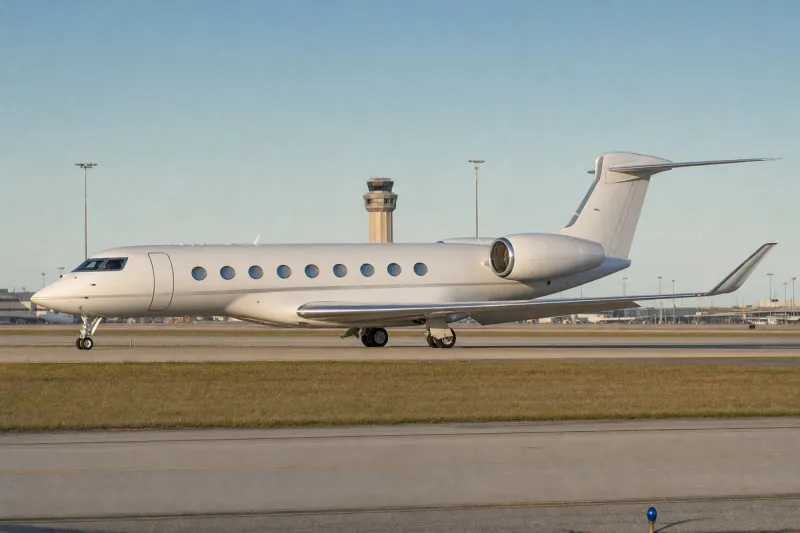
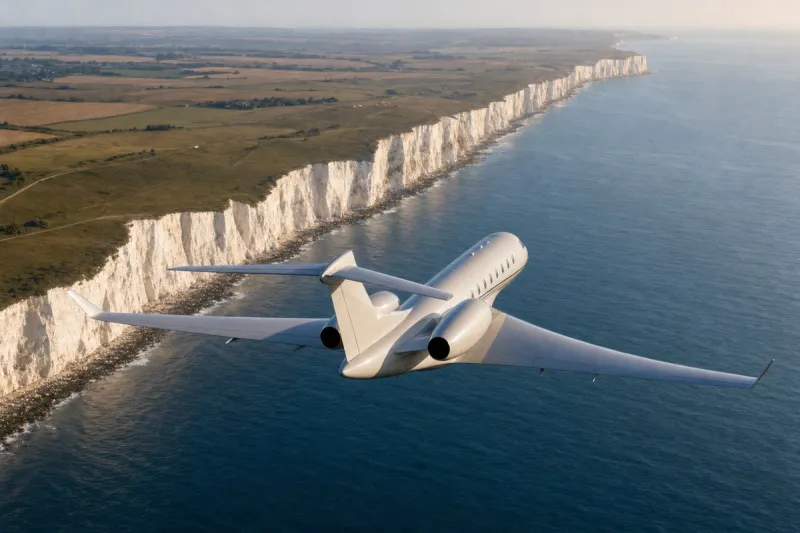
Masayoshi Son's single flight, a Gulfstream G650ER arriving in Tokyo, was the day's heaviest personal schedule at 11 hours 38 minutes in the air and 52.5 tonnes of CO₂, the largest individual total among tracked owners. It lands the SoftBank Group founder in Japan just days after the company priced an $11 billion junk bond for OpenAI, according to Bloomberg. No public appearance has been tied to the flight.
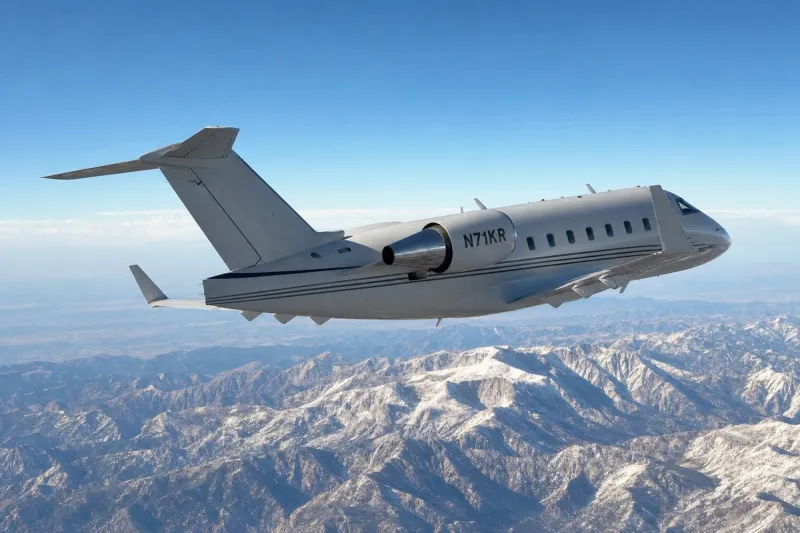
Volkswagen's Dassault Falcon 7X, tail D-AGBA, flew 4,782 miles from Middle Georgia Regional Airport to Ingolstadt Manching Airport in Germany in 8 hours 36 minutes. Reliance Industries' Bombardier Global 6000, tail VT-PRI, flew from Vienna International Airport to LaGuardia Airport in 8 hours 27 minutes, covering 4,206 miles. An Exxon Mobil jet returned to Texas after what appears to be a European swing.
Lawrence Stroll's flight returned him to the UK ahead of the Mexico City Grand Prix weekend, per ESPN, and a flight put Vinod Khosla in the UAE days after he closed a deal.
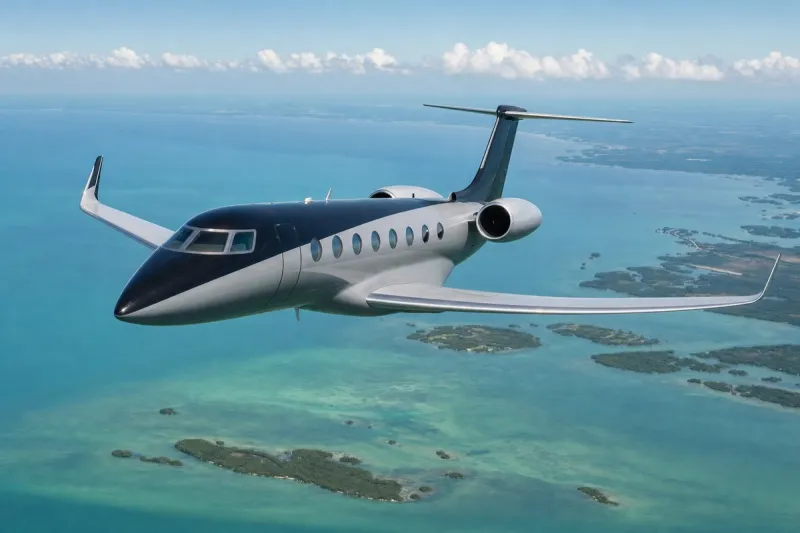
Eli Lilly's Gulfstream G650ER, tail N307EL, was airborne over the Atlantic after departing Indianapolis International Airport for Adolfo Suárez Madrid–Barajas Airport in 7 hours 8 minutes. American Express's Bombardier Global 6000, tail N604GB, flew a 7-hour-8-minute leg from London Luton and is expected to move from Toronto to New York later today.
Industry impact & what to watch
Days like this show how heavily long-range executive flying is concentrated in a handful of ultra-long-range types. Gulfstream G650ER, Falcon 7X and Global 6000 airframes account for the longest legs in the ledger, and each of those legs carries a large share of the day's emissions. A single 11-hour flight producing 52.5 tonnes of CO₂ is a useful yardstick: it shows why long intercontinental sectors dominate any per-owner carbon tally even when the daily flight count is high.
The pattern of movements also reflects how corporate and owner travel tracks deal flow and event calendars. Transatlantic repositioning by industrial and pharmaceutical fleets, a financier's Asia trip right after a large bond pricing, and a team principal heading home before a race weekend are all schedule-driven rather than random. For charter, fractional and FBO operators, that kind of lumpy, event-linked demand is what sets peak-day handling and ultra-long-range availability.
The next daily ledgers will show whether Son's Tokyo stay is short or extended, and whether the Toronto-to-New York leg expected for the American Express jet is flown as scheduled.