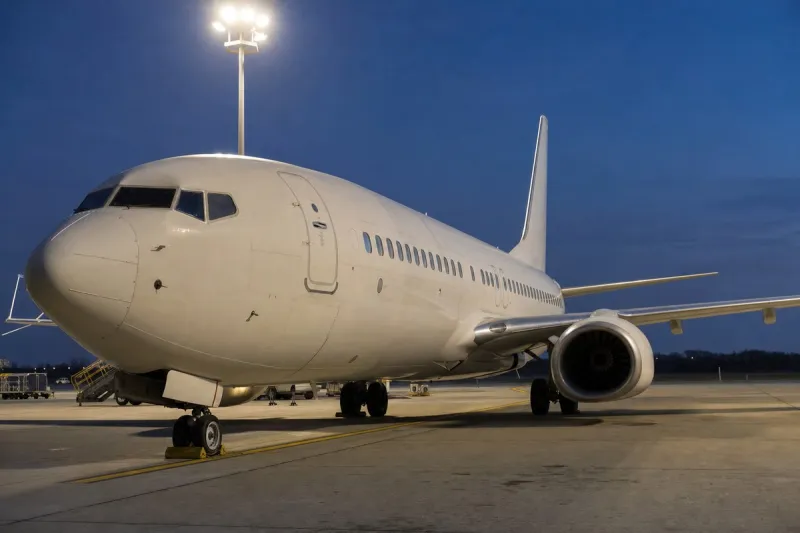
Oxfam Urges Scotland to Set Private Jet Tax at 10 Times Higher Rate as 7,237 Flights Logged in Nine Months
Why It MattersScotland's split between a matched Air Departure Tax from 2027 and separate private jet rates from 2028 makes the first-year rate decision the main open variable for private aviation costs.
What happened
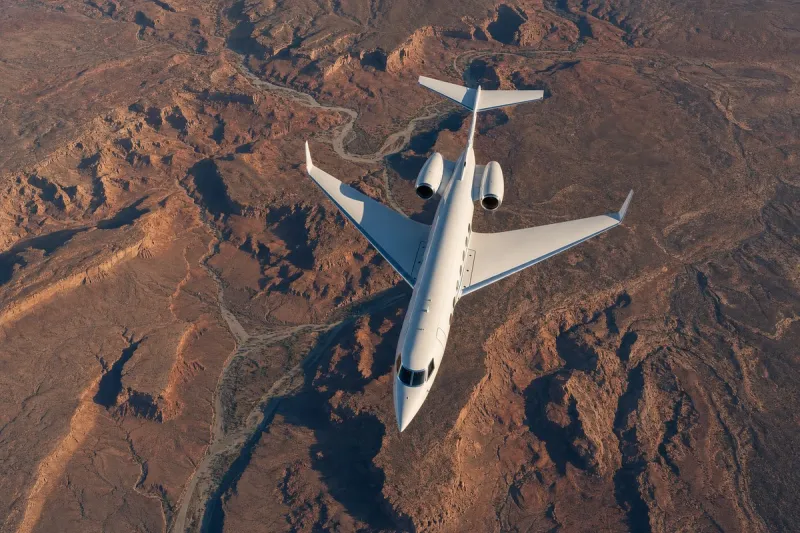
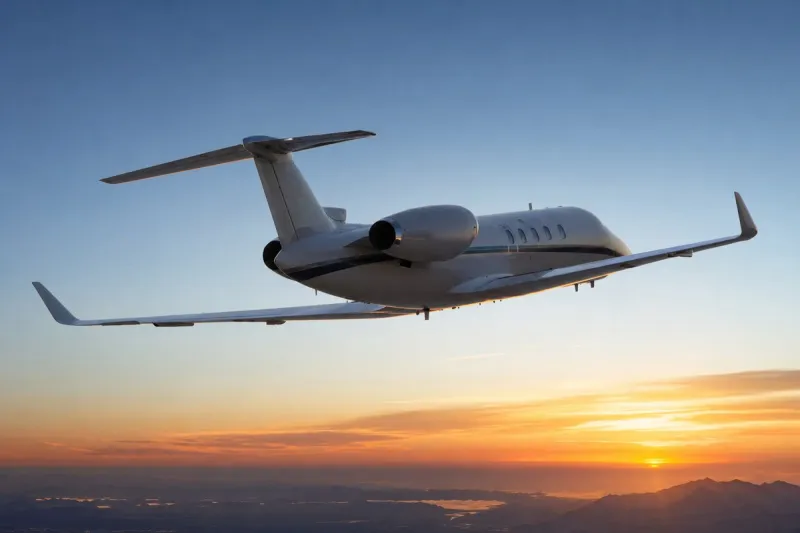
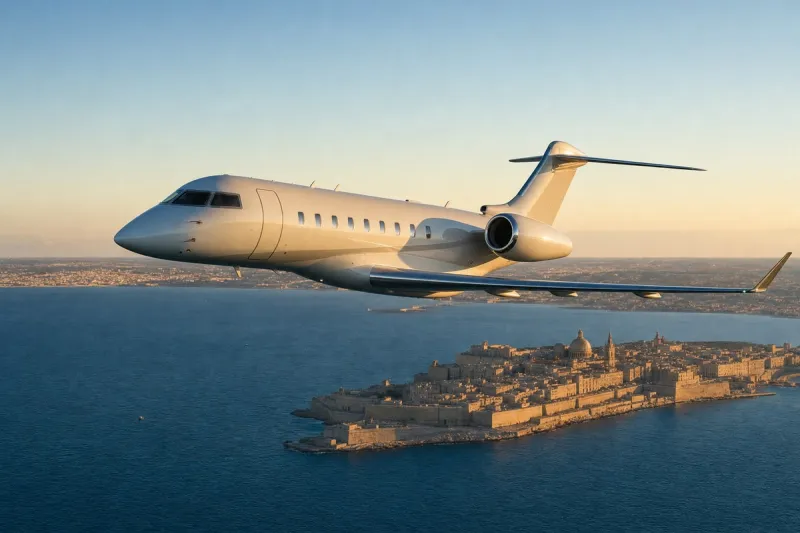
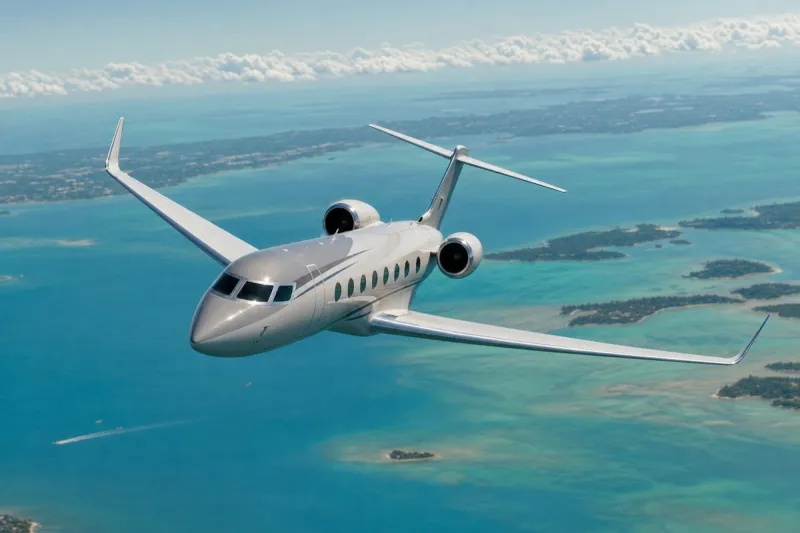
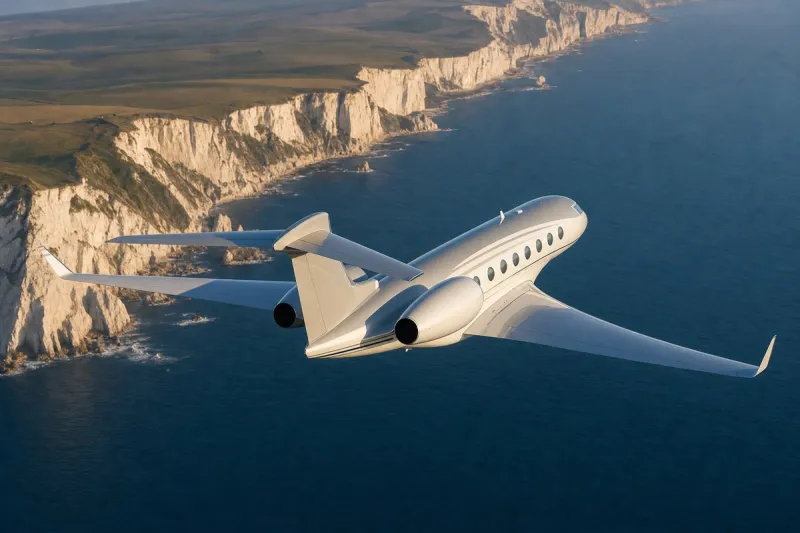
Oxfam is calling on the Scottish Government to set its forthcoming private jet tax "sky high", after analysis found hundreds of private jet flights used Scottish airspace while a wildfire burned in the Cairngorms. Using flight records from the Private Jet Tracking Initiative, Oxfam found 7,237 private jet flights arrived in or departed from Scotland between January and September 2026.
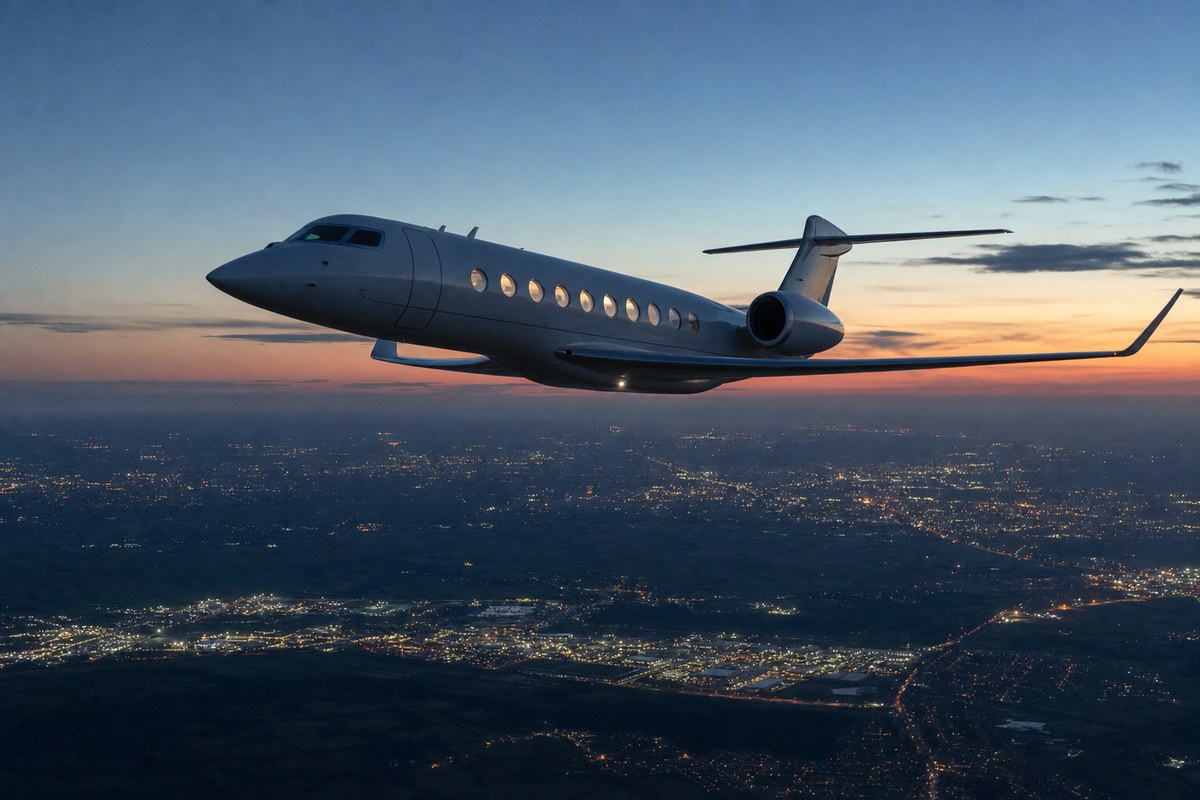
Between July 15 and August 15, while the Cairngorms wildfire was burning, there were 1,101 such flights, which together generated an estimated 7,830 tonnes of CO₂e. Oxfam says each flight on average produced more carbon pollution than someone in the poorest half of the UK emits in a whole year.
Over the period to September, 216 aircraft, just 17% of the 1,246 private aircraft recorded, accounted for more than half of all private jet emissions. Many flights lasted under an hour or covered fewer than 500 miles, even though rail alternatives exist on numerous routes. The most common origins and destinations were Farnborough, Luton and London.
A new Air Departure Tax will replace Air Passenger Duty in Scotland on April 1, 2027, initially matched to the existing UK rate. From April 2028, higher rates will apply specifically to private jets. The level has not been decided and is due to be announced in the next draft budget on December 3. Oxfam wants the rate set at 10 times the current Higher Rate within Air Passenger Duty, which by 2027 will range from £146.63 for domestic flights to £1,178.20 for Band C.
Katherine May, head of Oxfam Scotland, said ministers should use the Scottish Budget to set the tax "sky high" so private jet passengers cannot "pollute on the cheap while the rest of us pick up the bill". The Scottish findings were published alongside Oxfam's global report Disaster Divide, released ahead of COP31.
Industry impact & what to watch
Taxes aimed specifically at private aviation tend to be judged on the rate and on how the aircraft and flights they cover are defined. Here the schedule is two-stage: a rate matched to the UK from April 2027, then jet-specific rates from April 2028. The size of that second step is what determines the cost of operating into and out of Scotland.
Oxfam's data frames the likely line of argument. Its figures stress short sectors under an hour or 500 miles and a small group of aircraft behind most emissions, which is the evidence advocates use to argue for steep rates. Operators and the airports serving them will have their own case to make, but none has been quoted so far.
The next dated milestone is the draft budget on December 3, when the Scottish Government is due to announce the level. That announcement will show how far the 2028 private jet rate departs from the existing Higher Rate band.