Aerowise launches flight coordination and expense review platform at NBAA-BACE
Why It MattersPairing trip coordination with expense review in one system reflects a segment where owners and flight departments still reconcile costs, documents and responsibilities across scattered messages, files and separate tools.
What happened
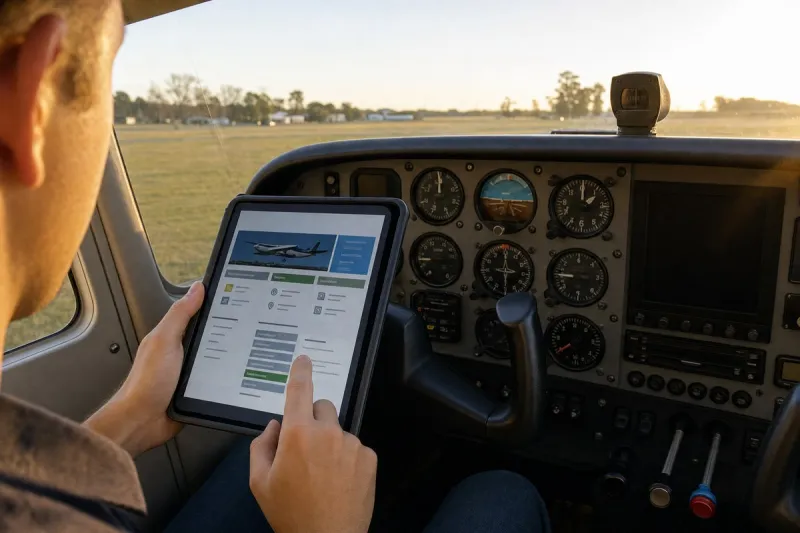
Aerowise has introduced an aviation operations platform at NBAA-BACE that combines flight coordination with flight expense review. The company said commercial subscriptions are available to aircraft operators, owners and family offices.

The platform covers the coordination work around each flight: itineraries, permits, airport services, crew and passenger documentation, operational communications and expenses. Aerowise said it aims to reduce follow-up spread across messages, documents and separate systems.
Perla Fagundez Lentz, founder and CEO of Aerowise, said aircraft owners need to understand what each flight costs, and pilots need a clear way to review the services and expenses they are responsible for. She said the company is building the platform around that shared need: clear information, explicit responsibilities and less time spent chasing documents and updates.
The company said it is also developing an AI assistant, Amel-ia, to help users navigate operational information and follow-up tasks, with human review and decision-making retained.
Industry impact & what to watch
Running a private aircraft generates a steady stream of small, separate items: a permit here, a handling invoice there, a crew document in an email thread. Each flight leaves a trail of coordination and cost that someone has to reconcile afterward. Aerowise is pitching a single system for that trail, and the emphasis on who reviews which expense speaks to a familiar friction between owners who want visibility into per-flight cost and pilots who are accountable for the services they arranged.
The stated customer base is operators, owners and family offices, which is the group that typically bears the administrative load of ownership without a large flight department behind it. Tools aimed at that group compete less on any one feature than on whether they can replace the informal habits of chat messages and spreadsheets.
The Amel-ia assistant is described as still in development, so it is a roadmap item rather than part of what is on sale. The company's own framing, human review and decision-making retained, marks where it expects the line between automation and accountability to sit. How Amel-ia handles that line once it is released is the next thing that would show how the product works in practice.