Atlantic Airways Orders Two More Airbus A320neo Jets, Aims for All-A320neo Fleet
Why It MattersSmall flag carriers consolidating around one narrowbody type show how fleet commonality is being used to cut maintenance and crewing complexity, even on highly seasonal route networks.
What happened
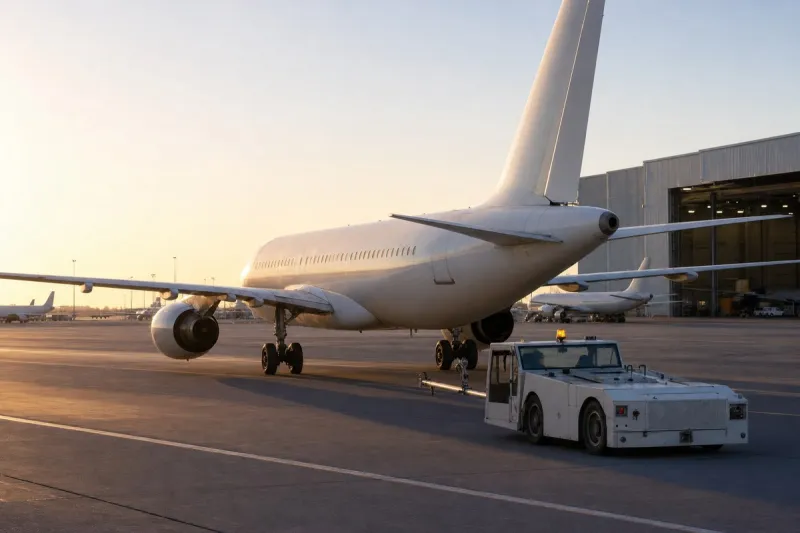
Airbus has signed a firm order with Faroese flag carrier Atlantic Airways for two additional A320neo narrowbody twinjets, Airbus confirmed in a statement released on Tuesday. The airline already operates two A320neos alongside two older A320-200s, and has also previously flown the smaller A319-100.
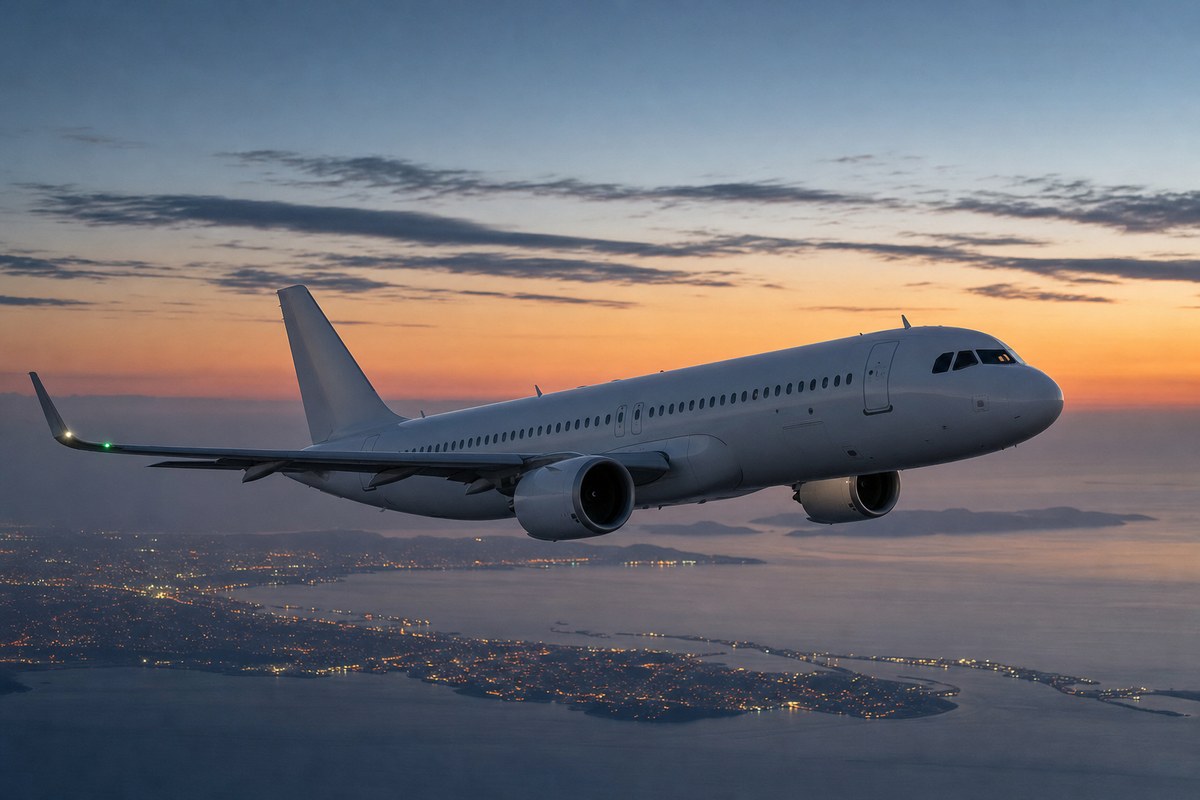
According to ch-aviation fleet data, Atlantic Airways currently has four Airbus narrowbodies: two A320-200s with a mean age of 12.2 years and two A320neos averaging 6.9 years. aeroLOPA data shows both A320neos have 174 economy seats, while one A320-200 has 174 seats and the other 180.
Atlantic Airways Chair Niels Mortensen said the airline's ambition is to operate an exclusively A320neo fleet in the near future. He called the agreement a significant step toward that goal and said the investment will support continuous fleet renewal and efficient operations. Benoît de Saint-Exupéry, Airbus Executive Vice President for Sales of Commercial Aircraft, said that by adding two latest-generation A320neos the airline is reinforcing its commitment to regional connectivity. Airbus noted that a single-type fleet would help the carrier drive operational synergies and streamlined maintenance.
Seasonal flying from Vágar
Cirium data shows the A320neo flying from the airline's main base at Vágar Airport (FAE) is highly seasonal. In winter 2026/27, the aircraft will serve only northern European destinations, including Aalborg (AAL), Billund (BLL), Copenhagen (CPH), Edinburgh (EDI), Hanover (HAJ), Keflavik (KEF) and Katowice (KTW).
February 2027 is the quietest month, with just four A320neo flights to Billund planned, while March brings a single flight to Gran Canaria (LPA). Atlantic Airways previously flew to the US, but those flights have ceased.
Industry impact & what to watch
For a carrier whose A320neo schedule thins to four flights in its quietest month, the order is about the cost of running a mixed fleet, not about adding capacity. Holding two engine and cockpit variants means two sets of maintenance programmes, spares and crew qualifications, and a small operator carries those fixed costs across very few aircraft. Moving to one type spreads them thinner, which is the synergy Airbus itself pointed to.
The order also shows how a flag carrier on a small home market tends to plan: renewal happens in small steps, two aircraft at a time, with the older A320-200s the natural candidates to be displaced as new deliveries arrive. The stated ambition is an exclusively A320neo fleet in the near future, so the next markers are the delivery dates for the two new aircraft and what happens to the two A320-200s once they arrive.