NASA X-59 Quiet Supersonic Aircraft Reaches Birmingham on Cross-Country Flight to Kennedy Space Center
Why It MattersThe X-59 program's move from envelope expansion to acoustic validation, with findings headed to regulators, is the step that could decide whether civilian supersonic flight over land restrictions are revisited.
What happened
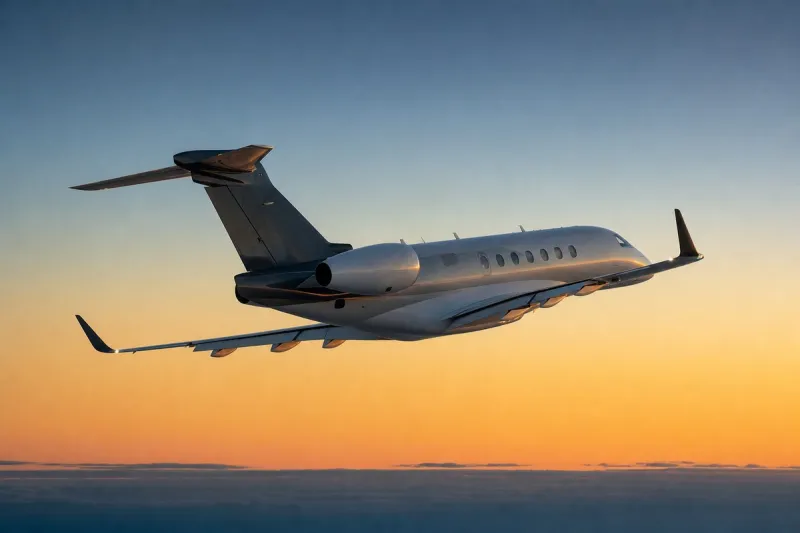
NASA's X-59 quiet supersonic research aircraft arrived in Birmingham, Alabama, on Thursday as it continued a cross-country flight from California to Kennedy Space Center in Florida. According to flight records, the aircraft departed Naval Air Station Joint Reserve Base Fort Worth at 9:48 a.m. CDT and landed at Birmingham-Shuttlesworth International Airport at 11:03 a.m. The 539-nautical-mile leg followed Wednesday's departure from Edwards Air Force Base in California, which included stops in El Paso and Fort Worth. Birmingham was the aircraft's latest confirmed stop as of Thursday afternoon.
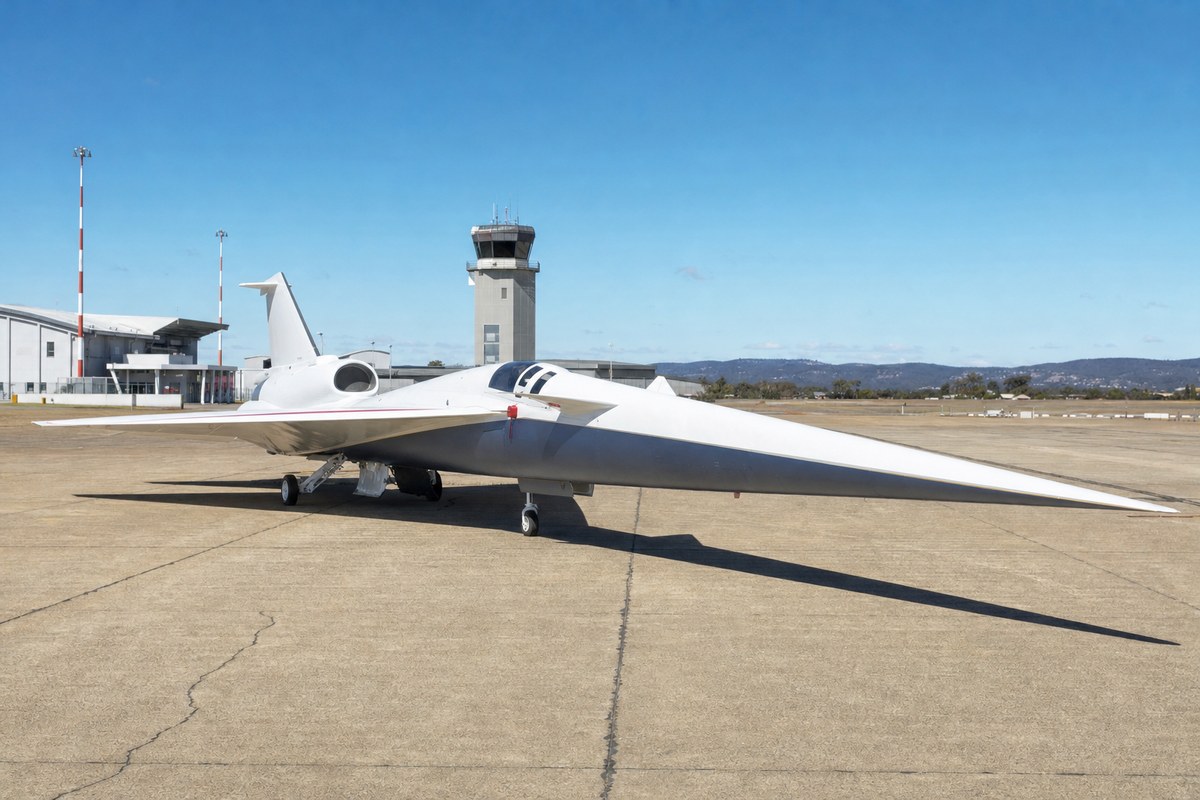
The trip comes ahead of NASA's MAX POWER aerospace exhibition and air show at Kennedy Space Center on Nov. 7-8. It also coincides with the first anniversary of the maiden flight of the Lockheed Martin-built X-59 on Oct. 28, 2025. The aircraft has spent the past year in testing in California as part of NASA's Quesst mission, which aims to demonstrate quieter supersonic flight.
In a Wednesday update, NASA said the aircraft had completed 40 additional flights since its maiden flight, reaching speeds of Mach 1.53 and altitudes exceeding 56,000 feet. The X-59 completed its first supersonic flight in June and subsequently demonstrated its intended operating conditions of Mach 1.4 at 55,000 feet. NASA is now preparing to move from flight envelope expansion to acoustic validation testing. Larry Cliatt, acoustic validation technical lead for the Quesst mission, said in a September update: "This is the phase we've been working toward."
How it unfolded
NASA's MAX POWER aerospace exhibition and air show is scheduled at Kennedy Space Center.
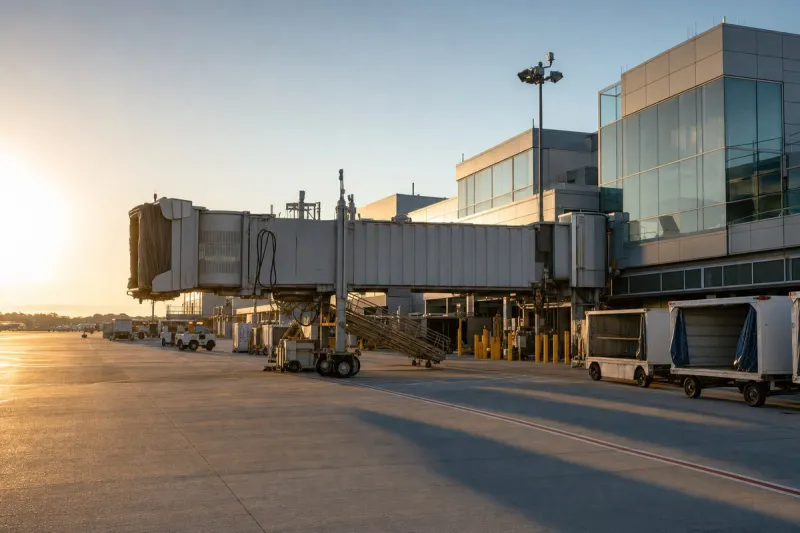
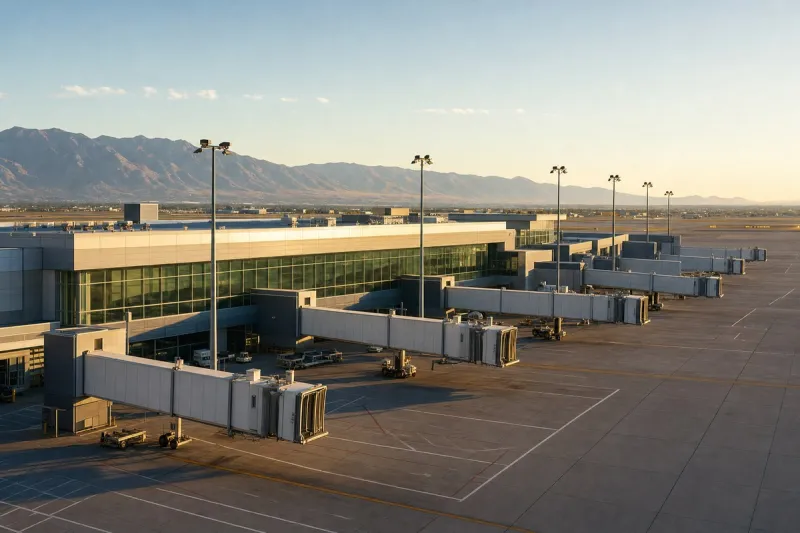
The X-59 landed at Birmingham-Shuttlesworth International Airport after a 539-nautical-mile leg.
The aircraft departed Naval Air Station Joint Reserve Base Fort Worth.
The X-59 departed Edwards Air Force Base in California, with stops in El Paso and Fort Worth.
Industry impact & what to watch
The X-59 is a research vehicle built to produce data, not a product, and its value to the wider industry sits in what the acoustic campaign yields. The elongated nose and related design features are meant to keep shock waves from merging into a conventional sonic boom, and the planned ground-based and airborne measurements will test whether that holds up in practice.
The regulatory path is the part that matters commercially. Restrictions on civilian supersonic flight over land are set by regulators, and NASA says it will share its findings with U.S. and international authorities as they consider potential changes. Any relaxation would be driven by measured sound signatures and by public response gathered over selected communities, so the evidence base is being built in two stages: acoustic measurement first, then community surveys.
The next milestone is the shift from flight envelope expansion to acoustic validation testing, which NASA says it is now preparing to begin. The sequence that follows, measurement and then flights over selected communities, determines when regulators receive usable data.