NTSB Urges GA Pilots and Owners to Inspect and Replace Seat Restraints Rated Below Current FAA Standard
Why It MattersThe alert shows how a regulatory carve-out for older small-aircraft restraints leaves a hidden safety gap in the legacy GA fleet, one that only owner and mechanic action can close.
What happened
The National Transportation Safety Board issued safety alert SA-108 on Wednesday, urging general aviation pilots and owners to inspect and replace certain seat restraints to lower the risk of injury or death in accidents. The NTSB found that some pilots may unknowingly be using restraint systems that offer less protection, because the FAA has permitted systems meeting earlier, less stringent performance requirements. It also noted that serious or fatal injuries can occur when restraints are not installed, or when they fail due to UV exposure, age, or repeated use.

Technical Service Order TSO-C22f, issued in 1972, required newly manufactured lap belts to have a rated strength of 1,500 pounds. In 1993 the FAA replaced it with TSO-C22g, which requires lap belts and shoulder harnesses to have rated strengths of 3,000 and 2,500 pounds, respectively, to better account for dynamic human movement and upper torso forces. Citing economic reasons, the FAA allowed small aircraft weighing 12,500 pounds or less to continue using restraints approved before TSO-C22g.
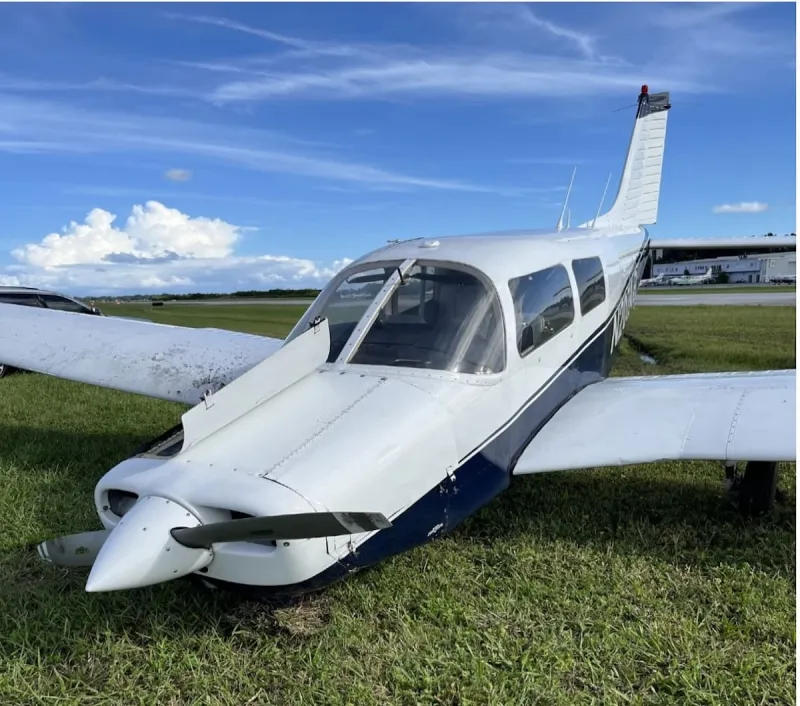
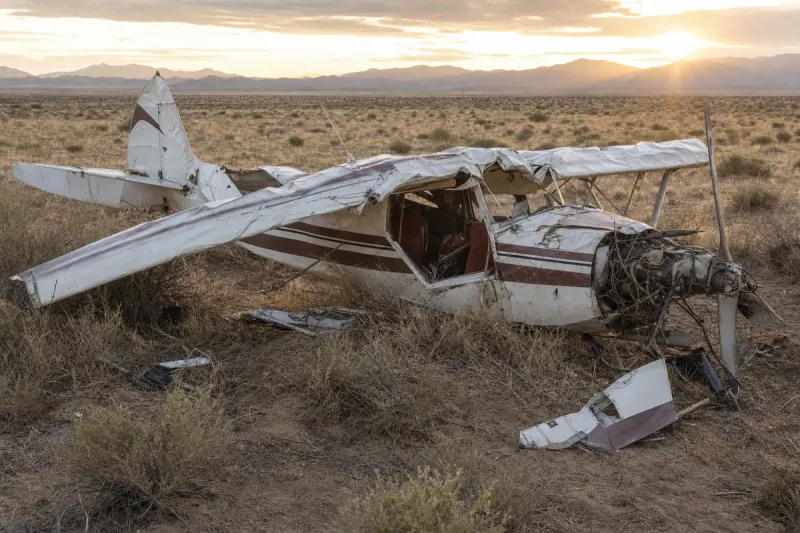
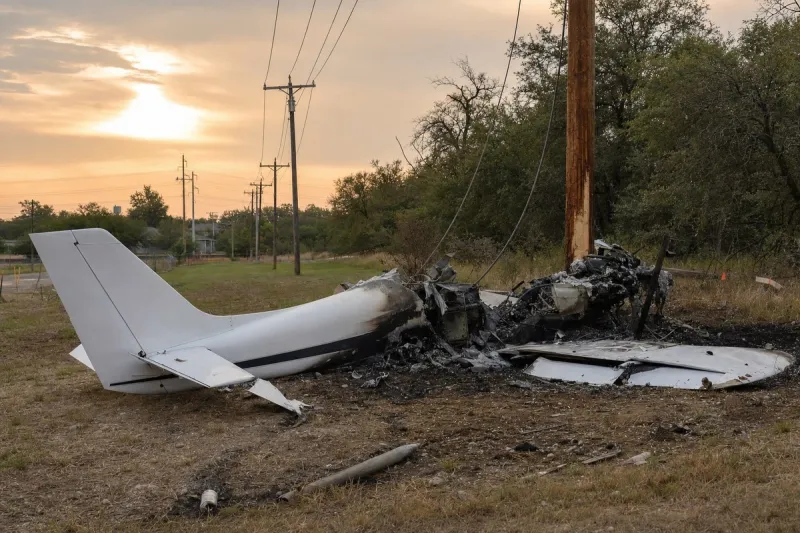
The NTSB cited several accidents. In a 2023 crash of an Aeronca 7CCM Champion, the upper torso restraint and shoulder webbings had a rated assembly strength of 1,500 pounds, which satisfies the 1972 order but not the 1993 update. The airplane was substantially damaged and the pilot and passenger were killed, with separation found at the torso restraint's airframe connection and at the Y-junction joining the two shoulder straps. In another 2023 accident, a Cessna 172N that crashed near Madison County Airport (KUYF) in Ohio had three-point restraints meeting only the earlier order.
The NTSB recommends that pilots and mechanics frequently inspect lap belts and shoulder harnesses, check their rated strength, and replace or install new restraints when necessary. It urges replacing lap belts rated below 3,000 pounds and shoulder harnesses rated below 2,500 pounds, as well as restraints whose rating cannot be verified because labels are missing or unreadable; the manufacturer or a mechanic can check rated strength. Preflight and annual visual inspections should look for degradation, with special attention to Y-junction shoulder harnesses.
The NTSB last issued an aviation-related safety alert in January 2026, describing how ballistic parachute recovery systems can pose hazards to first responders at accident sites.
Industry impact & what to watch
The gap the alert describes comes from how aircraft certification layers over time. When a performance standard is raised, equipment approved under the older one is generally allowed to stay in service unless a mandate forces replacement. Here the FAA's economic carve-out for small aircraft of 12,500 pounds or less means that airframes built decades ago can still be flying with restraints rated at roughly half the current lap belt strength, and nothing in routine paperwork necessarily flags it.
That puts the burden on owners, mechanics and inspectors, not on the regulator. A safety alert is advisory: it creates no obligation, so how much of the older fleet is actually retrofitted depends on whether shops fold rated-strength checks into annual inspections and whether owners treat a modest hardware cost as routine maintenance. The unreadable-label provision matters in practice, because a restraint whose rating cannot be verified is treated by the NTSB the same way as one known to fall short.
The next signal worth following is whether the FAA responds to the alert with guidance or rulemaking that narrows the pre-1993 allowance, or leaves the matter to voluntary compliance.