Scott IPC Lists Cold-Weather Departure Checks: De-Icing Provider, Holdover Chart Notes and Ice Pellets
Why It MattersHoldover guidance is advisory for Part 91 flights, so cold-weather departure discipline rests on crew judgment rather than an approved program, and the ice pellet limits widen that gap in winter operations.
What happened
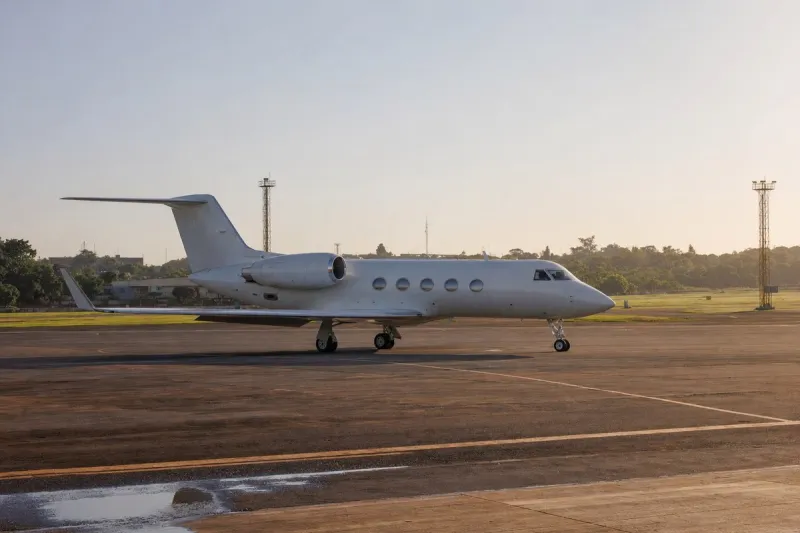
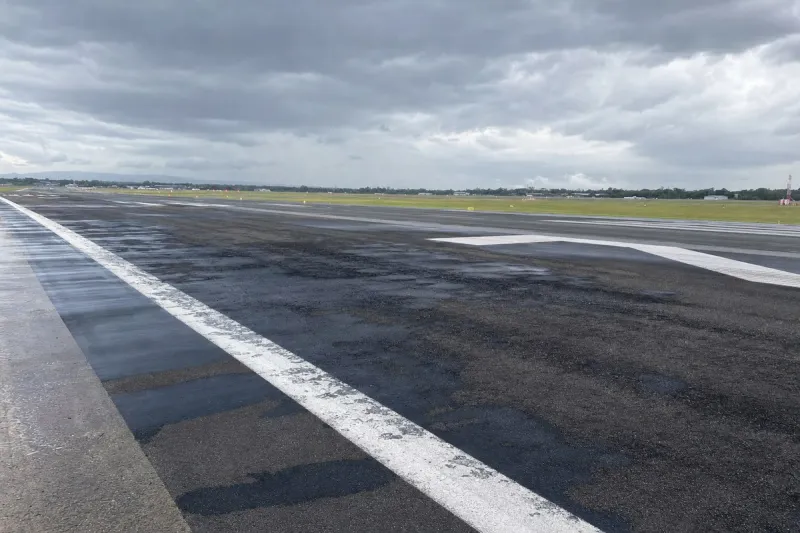
The Scott IPC instructor team, made up of retired corporate chief pilots, FAA procedures and safety personnel, and former military aviators who teach international procedures, has published a pre-winter review for crews preparing for icing and contaminated movement areas. It advises first reviewing the cold-weather procedures specific to the aircraft, with particular attention to takeoff and landing performance: distances can become excessive, braking is diminished, and climb performance is reduced.
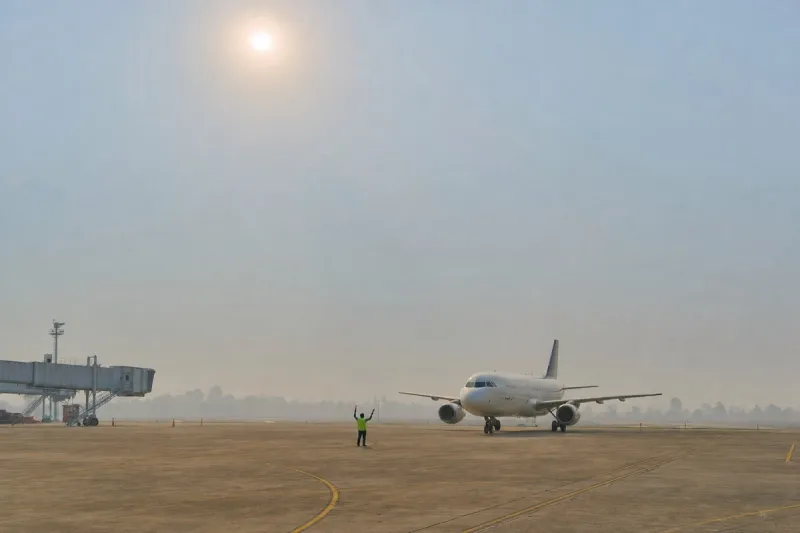
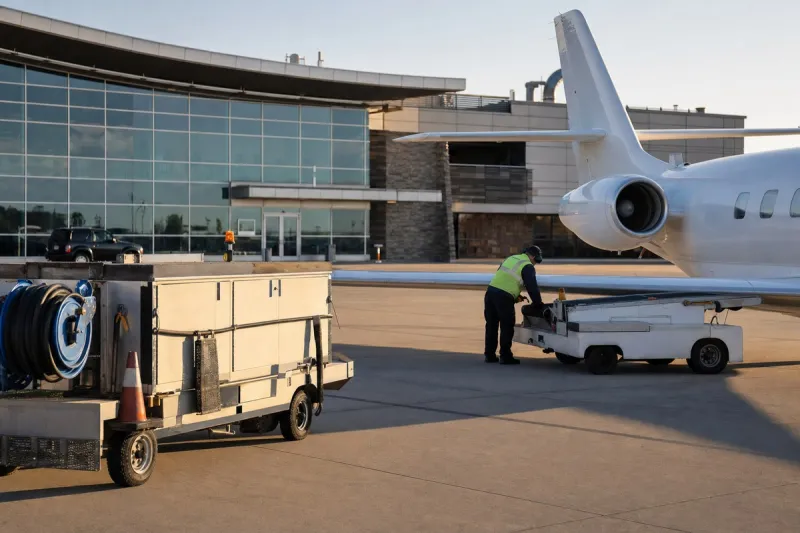
On de-icing, crews should determine how qualified the provider is, what fluids it uses, and whether it is approved for the aircraft. FAA Type I holdover time (HOT) guidelines are not approved for use with unheated Type I fluid mixtures. The provider should know the fluid's freezing point at the time of application and whether it is sufficiently below the outside air temperature, and the fluid-to-water concentration percentage must be known. If those answers cannot be obtained, the team suggests seriously considering delaying departure.
Holdover times are advisory only for FAR Part 91 operators and do not constitute an authorization; approved de-icing programs are required only under Parts 121, 125 and 135. The notes on holdover charts must be read and followed. For example, moderate snow mixed with rain may show a holdover time in the matrix, but the notes may state that at certain temperatures no holdover time exists and the aircraft should not depart. Several charts may be needed, including those revising times for aircraft configuration and a separate table for determining snowfall intensity from visibility and day or night.
The FAA does not approve takeoff in moderate or heavy freezing rain, heavy ice pellets, or hail. Ice pellets tend to become partially embedded in fluids and can take longer to melt than snow. Tests show pellets generally stay frozen in Type III and IV fluid, and the visual indicators conventionally used to develop HOTs cannot be applied to ice pellets. Embedded pellets mean the fluid has failed and generally cannot be seen during a pre-takeoff contamination check, so a visual check in ice pellet conditions may be of no value and should not be approved.
For 2026-27, METAR codes FZDZPL and DZPL have been reassigned from light ice pellets mixed with drizzle or freezing drizzle to moderate ice pellets mixed with drizzle or freezing drizzle; the codes +FZDZPL and +DZPL have been removed. Crews are directed to the cold-weather section of the AFM and to the FAA Aircraft Ground Deicing website, where the 2026-27 holdover tables are posted.
Industry impact & what to watch
The split between Part 91 and Parts 121, 125 and 135 is the structural point here. Only the latter three require an approved de-icing program, so for Part 91 flights the holdover tables inform a decision rather than authorize one. In practice the go/no-go call sits with the crew, and the quality of the answers obtained from the de-icing provider decides how defensible that call is.
The ice pellet guidance narrows what a crew can rely on in one specific condition. If pellets embed in the fluid and cannot be seen at a pre-takeoff check, the usual last line of defence, a visual contamination check, stops working. That makes the weather report itself the main input for the decision, which is why the METAR code reassignment matters: the same code string now describes a different intensity than it did last season.
The practical milestone is the posting of the 2026-27 holdover tables on the FAA Aircraft Ground Deicing website. Flight departments and training providers will need to align their briefing material with those tables and with the revised DZPL and FZDZPL meanings before the first contaminated-surface days of the season.