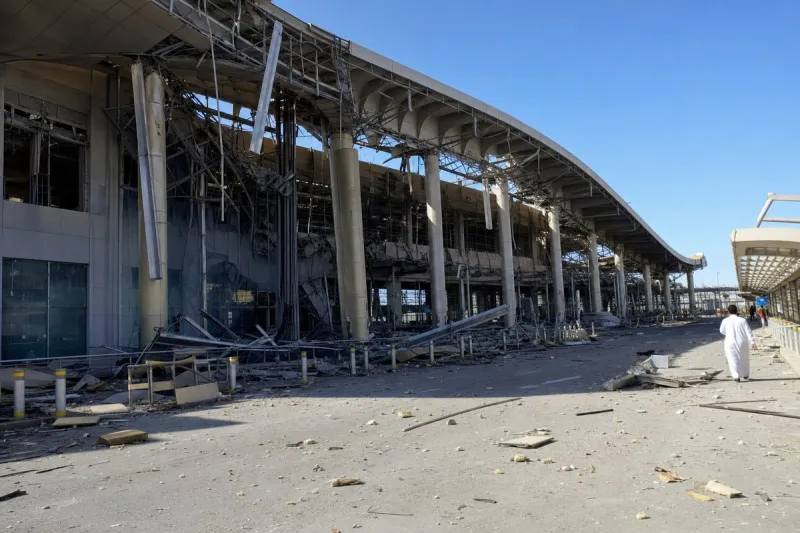
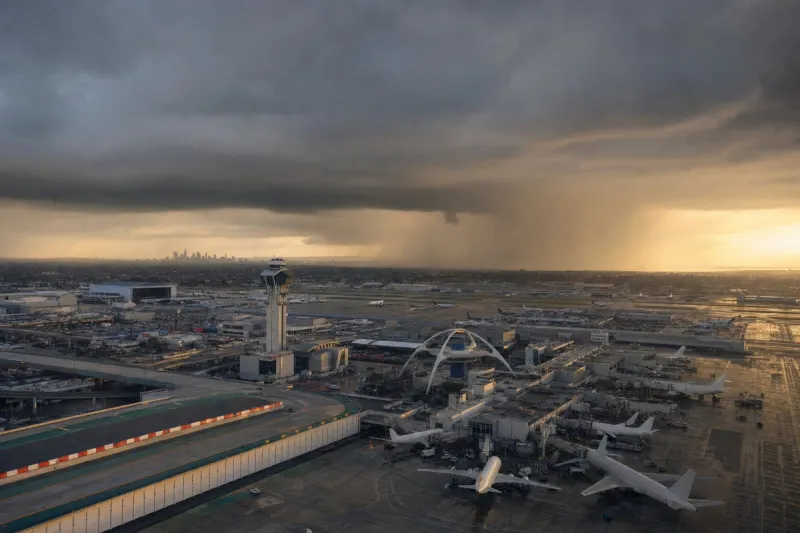
EASA Extends Conflict Zone Bulletin to 16 November 2026 as UAE and Gulf Hubs Remain Open
Why It MattersRepeated short-cycle advisory renewals turn Gulf routing into a standing cost and planning variable for long-haul carriers, with fuel, schedule length and war-risk coverage priced in rather than treated as exceptional.
What happened
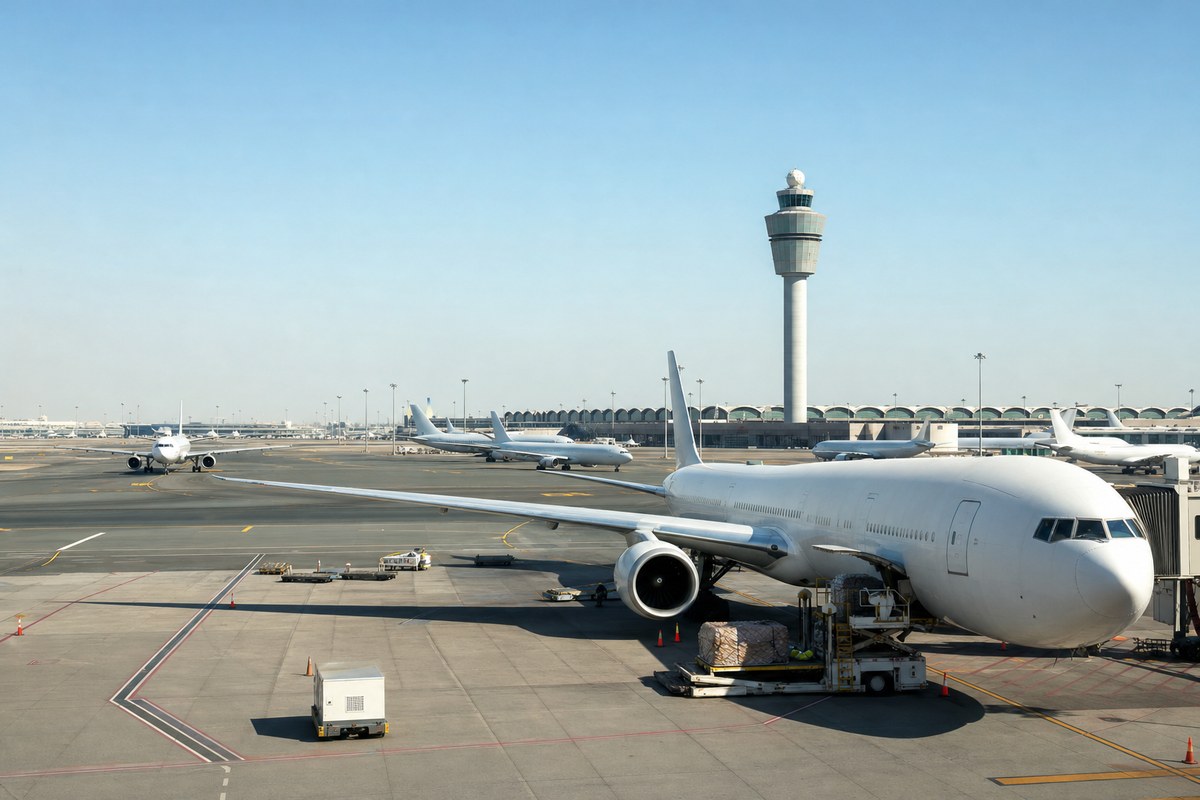
The European Union Aviation Safety Agency has renewed its Conflict Zone Information Bulletin covering the United Arab Emirates and the wider Persian Gulf. The bulletin had been due for review at the end of September and is now valid until 16 November 2026. Major commercial aviation hubs in the region remain open, and primary hub operations in Abu Dhabi, Dubai and Sharjah are functioning safely.
Under the extended advisory, EASA tells commercial air carriers to conduct rigorous individual risk assessments before operating within, or overflying, affected Flight Information Regions. It also stresses continuous contact with air traffic control agencies, monitoring of official Notices to Airmen (NOTAMs), and pre-approved alternate routing plans. Operators working under European Regulation (EU) 2018/1139 are required to incorporate such directives into their Safety Management Systems.
The measures involve tactical flight-path rerouting and increased contingency fuel reserves. Flight schedules are being adjusted and flight durations are longer because of tactical avoidance of specific airspace zones. Extended routings raise fuel requirements for long-haul services between Europe and South and Southeast Asia. Insurers are maintaining heightened vigilance on war-risk premiums, while coverage for flights into major Gulf hubs remains available.
An EASA spokesperson said the extension "ensures that air operators maintain high safety margins through continuous risk assessments, protecting civil aircraft without unnecessarily disrupting essential international air travel links." The UAE General Civil Aviation Authority said civil aviation safety remains the country's absolute priority and that its airspace management conforms to international standards across all UAE Flight Information Regions.
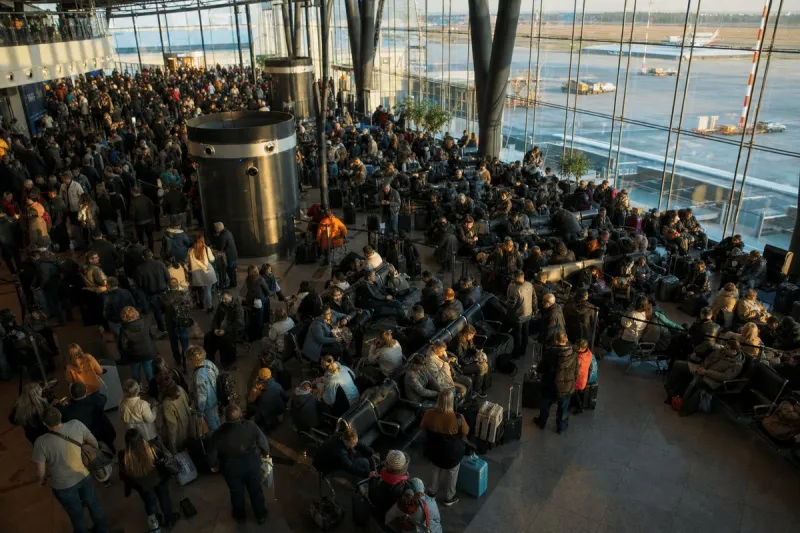
Passengers are advised to confirm flight status directly with their carrier before travelling to the airport and to allow 3 to 4 hours for international transits. Flexible rebooking policies are reported to be active across major airlines.
Industry impact & what to watch
An advisory that is renewed rather than lifted changes how operators plan, even when no airport closes. Risk assessment, alternate routing and extra contingency fuel become routine inputs to Gulf flying instead of one-off responses, and they are written into the Safety Management Systems of operators under the EU framework. For long-haul flows between Europe and South and Southeast Asia, the cost shows up in longer routings and higher fuel requirements, not in cancelled hubs.
War-risk insurance sits alongside this. Cover for flights into major Gulf hubs is still available, but the underwriting attention noted by insurers means premiums are a live cost line for anyone operating into the region, scheduled or otherwise. For business aviation, the practical read is that access to Abu Dhabi, Dubai and Sharjah is intact while the planning overhead around routing, fuel and cover stays elevated.
The next dated milestone is the 16 November 2026 review, which will show whether the bulletin is extended again, adjusted or allowed to lapse.