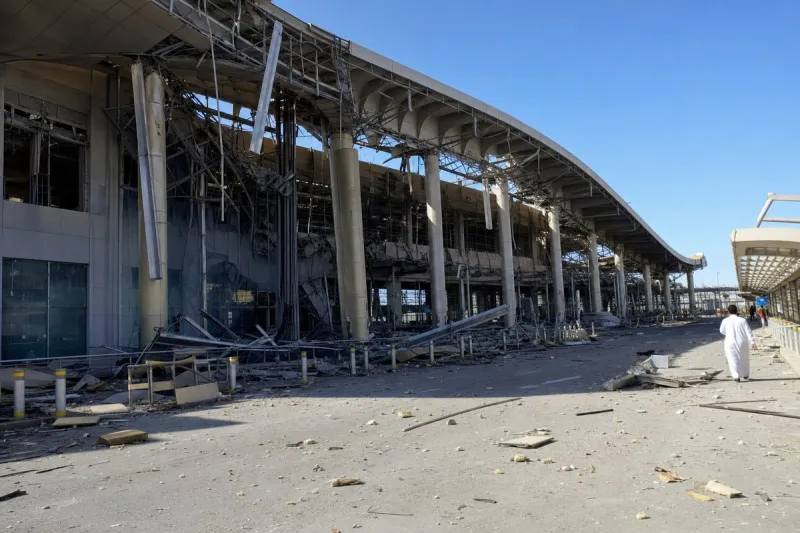
FAA Seeks Nationwide Systems to Detect and Locate Radio Interference, Jamming and Spoofing in Aviation Spectrum
Why It MattersInterference detection is moving from after-the-fact investigation toward continuous monitoring, and the open question for the segment is whether any combined space, ground and ADS-B system can be certified at acceptable cost.
What happened
The Federal Aviation Administration is seeking monitoring and detection systems to protect the roughly 30,000 radio frequencies that civil aviation relies upon. The agency cites growing interference, jamming and spoofing, especially near conflict zones, and the effort follows a critical U.S. Government Accountability Office report.
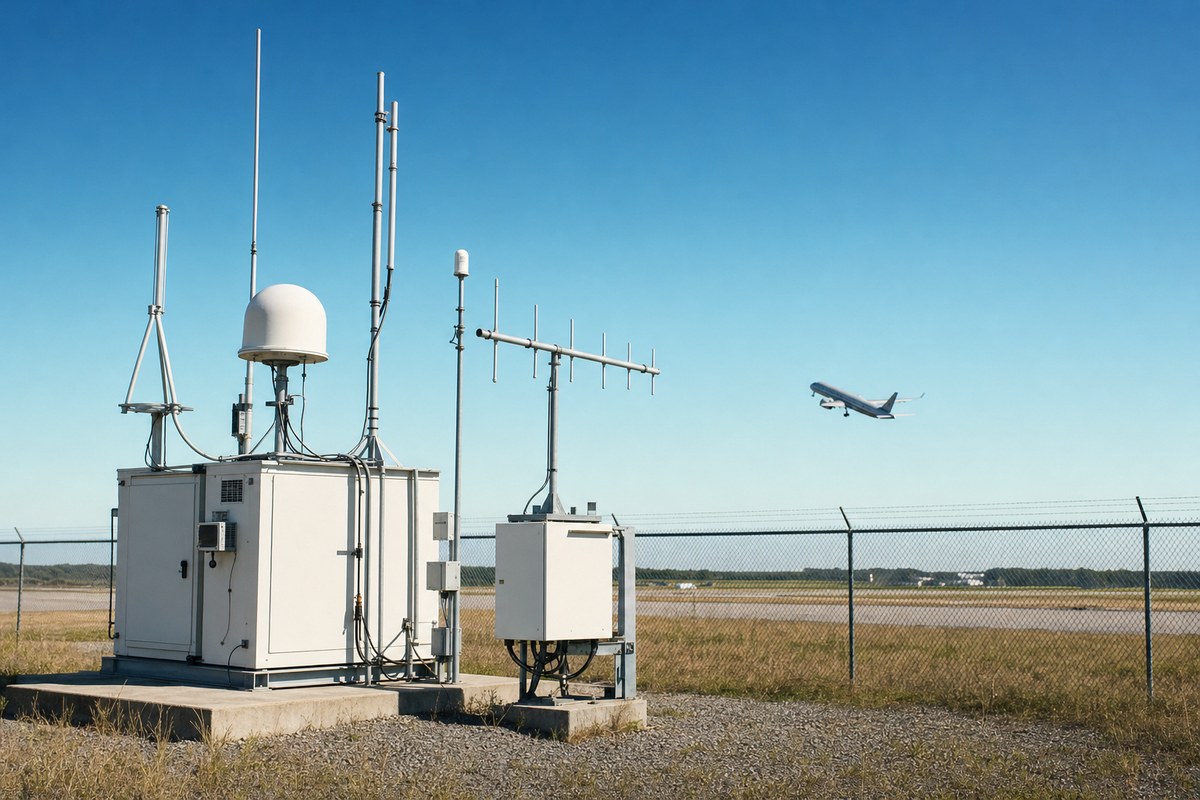
At an industry engagement day in mid-October, Dan Murphy, the FAA's Vice President of Technical Operations, said a signal aviation depends upon is being jammed, spoofed or degraded somewhere in the National Airspace System at any given moment. When air traffic operations are affected, the FAA searches for the source, a process that can take from a few days to a month or more, and for intermittent signals the culprit may never be found. Murphy said the agency must be able to find the source in seconds or minutes, not days or weeks. Some of the proceedings were classified.
The agency already uses data from ADS-B transponders, which broadcast an aircraft's ID and position about every second and include a signal reflecting the confidence of the plane's GPS receiver in its location. Organizations including Stanford University aggregate this data into near-real-time interference maps. Todd Humphreys, director of the Radionavigation Laboratory at the University of Texas at Austin, noted the data are noisy because of differing receivers and aircraft, require heavy traffic to be reliable, and offer no coverage where there are no flights.
Mark Carmouche, a group manager in the FAA's Spectrum Engineering division, said the agency has no rough order of magnitude for the cost of the technology it wants.
Space and ground options
One option is space-based monitoring. HawkEye 360 and Spire Global, commercial operators of low earth orbit satellites, already listen to wide swathes of spectrum. Spire can use ADS-B data to identify a possible jamming zone, then task a pair of geolocation satellites to record the same spectrum simultaneously and estimate a transmitter's location from differences in signal arrival times and Doppler shifts. Spire's Bryan Cuthbertson said the company estimated the location of GPS jammers from a single satellite pass in a recent analysis.
Another option uses ground assets. Most modern cellphone towers have GPS receivers that can assess nearby interference. Austrian start-up Dimetor, assisted by the ESA project NAVISP, is working to make that data available to aviation. CEO Thomas Neubauer said it would give access to tens of thousands of sensors and near-real-time awareness of GPS interference in the lower airspace. Coverage would be concentrated near airports and population centers and be less useful in rural areas or over open ocean.
Industry impact & what to watch
The FAA's stated goal of locating interference in seconds or minutes reframes the problem. Today the agency starts from an operational disruption and works backward to a source, a process that can take from days to over a month. A monitoring layer would reverse that sequence, which matters most for the intermittent signals Murphy said may never be traced.
The candidate approaches cover different gaps. ADS-B-derived maps depend on traffic density, satellites can reach areas with no flights, and cell-tower sensors would be concentrated near airports and population centers. Operators flying through contested regions or into smaller airports therefore stand to see very uneven coverage depending on which sources are combined.
The binding constraint is certification rather than sensing. Humphreys said that fusing terrestrial, airborne and space-based data is technically straightforward, but certifying that such a system never shows a wrong status could take years and many millions of dollars. With the FAA saying it has no rough order of magnitude for cost, the next milestone is whether the agency's requirements put a figure and a timeline on that certification burden.