Signature Aviation Introduces Single-Price FBO Access Fee and Plans to Limit Special-Event Surcharges
Why It MattersBundled, pre-calculable access pricing at the largest FBO network shifts the pricing norm from per-line surcharges toward upfront quotes, a change that years of regulatory complaints and advocacy pressure helped bring about.
What happened
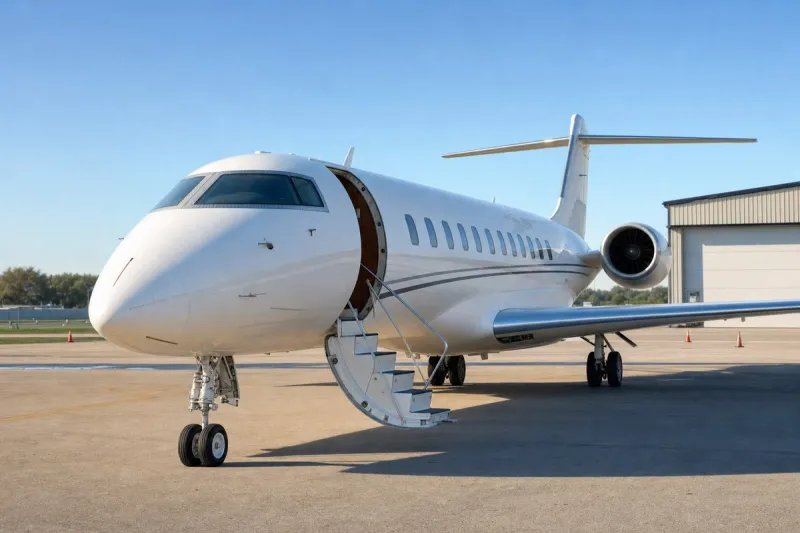
Signature Aviation is simplifying the charges for aircraft visiting its FBOs and limiting special-event surcharges, nearly a decade after complaints about its fees first led the Aircraft Owners and Pilots Association (AOPA) to seek FAA intervention at three US airports.
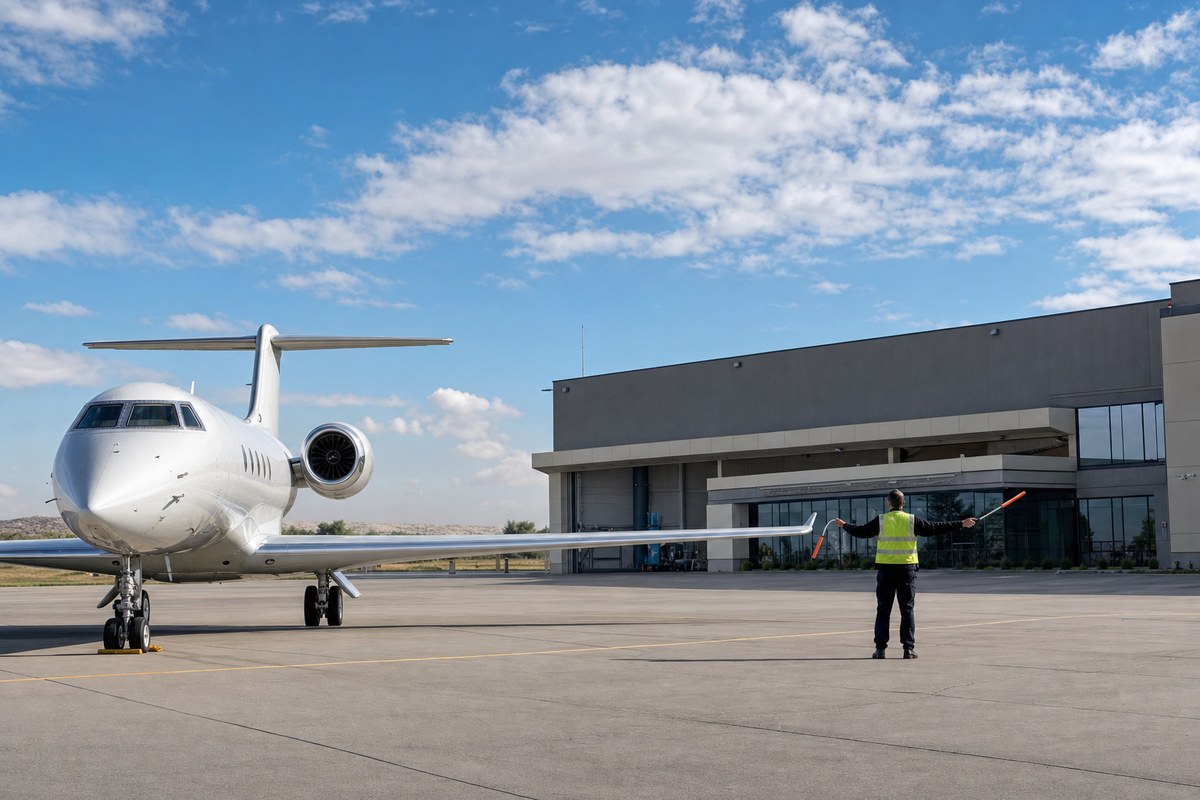
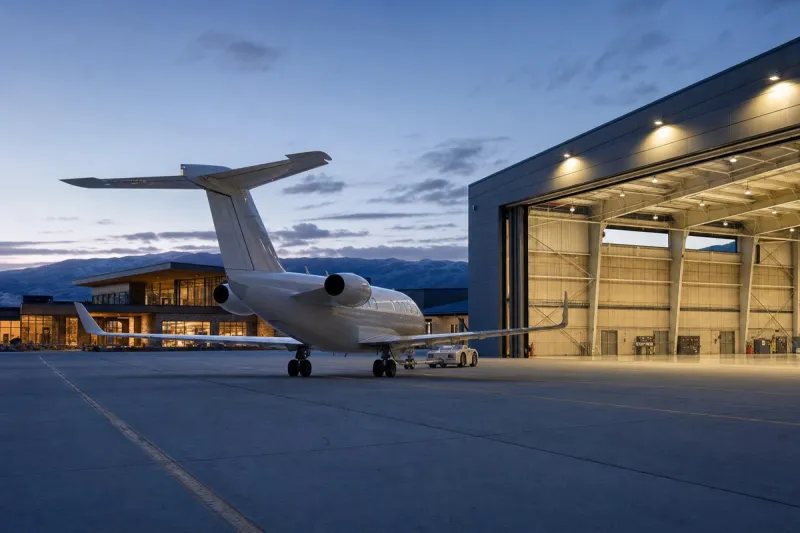
The newly introduced Signature Access program combines various FBO charges into a single price based on aircraft size, time spent on the ramp and location. Pilots and operators can use an online calculator to check fees before arrival. The program is operating at selected locations for now, with a phased rollout planned over the coming months. Qualifying fuel purchases at participating US locations will waive the first hour's access charge. Hangar space, ground power and lavatory service will remain separately priced, Signature said.
Beginning in 2027, Signature also plans to restrict special-event fees to a small number of events that create unusually high demand. It says it will disclose affected locations and prices at least 30 days in advance.
Signature began publishing handling and infrastructure fees for piston aircraft at most of its US locations in 2018. AOPA welcomed that change but said turbine operators should be given the same information. Pilots still had to call individual locations to learn about some parking, security and other charges.
The AOPA complaints behind the change
AOPA has spent years pressing FBOs to disclose their prices and keep access to publicly funded airports affordable. All three airports at the center of its FAA complaints have Signature Flight Support locations. AOPA argued that pilots were being required to pay for services they neither requested nor used, and said a lack of competition at some airports left pilots with little choice but to pay the fees.
Among the examples AOPA cited was a pilot who received a $236 bill after parking a light aircraft at Waukegan for two hours; Signature reduced the charge to $90 after he protested.
AOPA Acting Co-President Katie Pribyl welcomed the latest move toward clearer pricing while maintaining the association's call for affordable airport access. "We'll keep advocating for fair, reasonable pricing that keeps flying within reach for everyone," Pribyl said. "Transparency in all aspects of operations, including FBO pricing, is of paramount importance to FBO customers," Hubbard said, adding that clear, upfront information on pricing and services lets operators plan ahead and make informed decisions well before an aircraft arrives at an FBO.
The association said it would continue reviewing the program and seek feedback from operators after implementation.
Industry impact & what to watch
FBO economics at many airports have long rested on a set of line-item fees, some of them unpublished until a pilot called ahead or received a bill. A bundled access price that can be calculated online before arrival moves the commercial conversation from surprise at the ramp to comparison before departure. When the largest network in a segment adopts that format, other FBOs with competing or adjacent locations face pressure to make their own pricing as legible, particularly at airports where the visiting operator has a choice of handler.
The path to this change also shows how pricing norms move in this segment: an advocacy group pressed on disclosure, brought complaints to the regulator at three airports, and the handler responded in stages, first with piston-aircraft fees in 2018 and now with a unified structure. Where an FBO is the only handler on a publicly funded field, transparency and affordability tend to be argued as access questions, not only as market questions, and that is the ground AOPA continues to hold.
The next concrete markers are the phased rollout across more locations over the coming months, the 2027 start of the narrower special-event fee policy, and the list of affected locations and prices that Signature has committed to publish at least 30 days ahead. AOPA's post-implementation review and the operator feedback it intends to collect will show whether the single price holds up in practice.