Phu Quoc International Airport Opens 3,300-Meter Second Runway After Eight Months of Construction
Why It MattersTaking a single-runway island airport to two runways and a new terminal ahead of a major summit shows how destination airports build slack before demand peaks, upgrading while flights continue.
What happened
Phu Quoc International Airport (IATA: PQC) officially put its second runway into operation on the morning of October 29, 2026, after eight months of construction. Sun PhuQuoc Airways flight 9G1955 landed at 07:05, becoming the first commercial flight on the new runway.
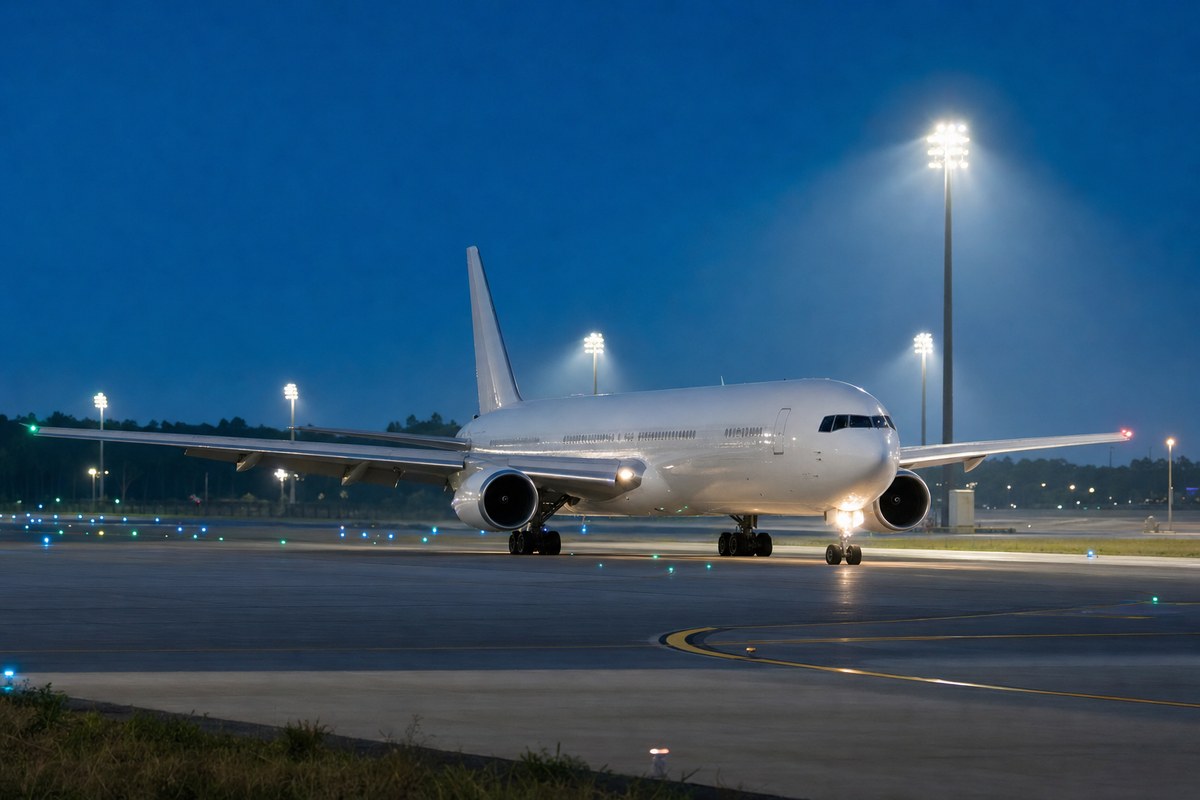
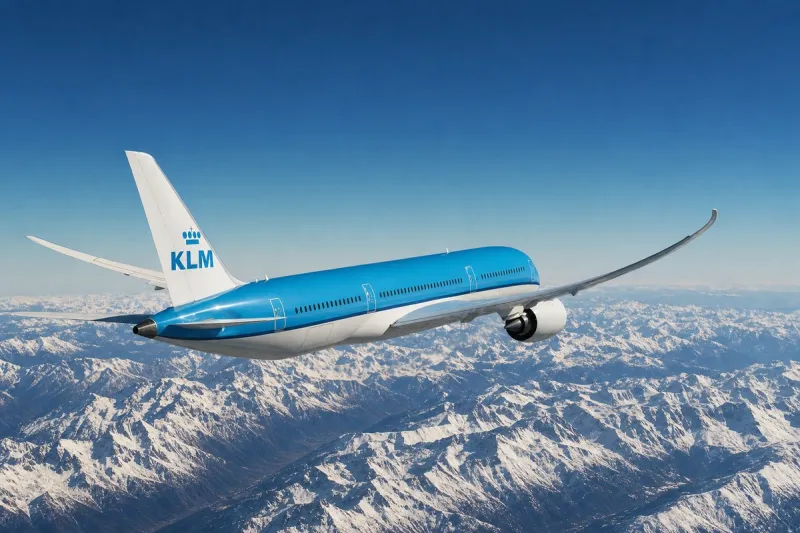
Runway 2 is 3,300 meters long and 45 meters wide and meets ICAO Code E standards. It is equipped with an ILS/DME precision landing system and CAT II beacons, and can accommodate wide-body aircraft such as the Boeing 787, Airbus A350 and Boeing 777, as well as Code F aircraft. The project was carried out by Sun Group with more than 20 contractors and consulting firms. Despite unpredictable weather, sea-borne materials transport, labor shortages and rising fuel prices, more than 6,000 engineers and workers worked in three shifts while the airport kept operating with about 45% more flights than in the previous period.
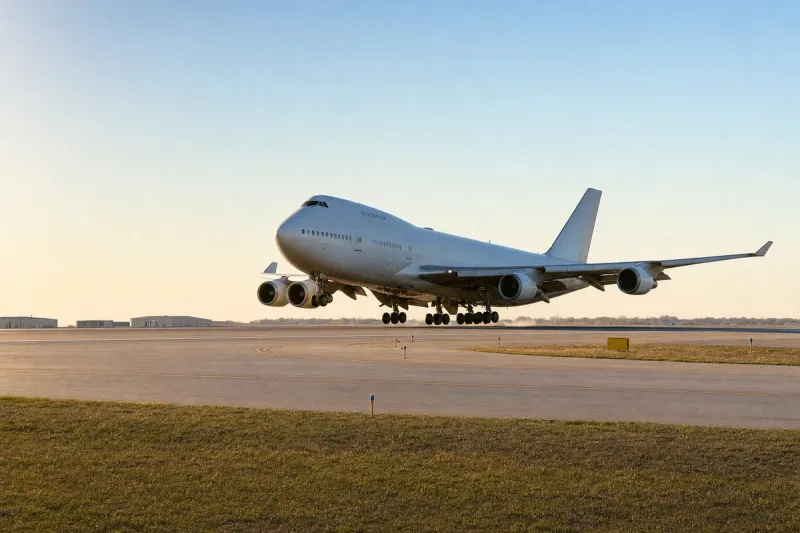
With Runway 2 in service, PQC will temporarily close Runway 1 for roughly six months of upgrades, extending it from 3,000 m to 3,500 m and widening it to 75 m in total, comprising a 45 m concrete pavement and 15 m asphalt shoulders on each side. Once upgraded, Runway 1 will be able to handle Code F wide-body aircraft such as the Boeing 747-8F and Airbus A380-800. During the works, all takeoffs and landings will shift to Runway 2 for the 2026/2027 winter schedule, when flight frequency is expected to rise about 34%. Runway 1 is expected to resume operations from May 2027.
Terminal 2 and operator
Terminal 2, designed by CPG Consultants (Singapore) and inspired by the image of a phoenix, is scheduled to open at the same time as Runway 1 returns to service in May 2027. It will feature biometrics, automated baggage handling, self-service check-in counters and a comprehensive airport management system.
Under a strategic cooperation agreement signed on March 21, 2026, Changi Airports International (CAI) will participate in the management and operation of PQC.
In Phase 1, PQC targets a capacity of 24 million passengers per year, expandable to 50 million in the long term. The airport is expected to handle about 13.5 million passengers in 2027, more than half of them international.
Industry impact & what to watch
PQC's sequence is a common way for a growing destination airport to expand without stopping service: bring a new runway online first, then shut the old one for upgrading while all traffic shifts to the new surface. For six months the airport will run on a single runway, now the new one with precision-approach equipment, during a winter schedule in which flight frequency is expected to rise about 34%.
The upgrade plan also changes what the airport can accept. A Code E runway already admits the Boeing 787, Airbus A350 and Boeing 777; the lengthened and widened Runway 1 is meant to add Code F aircraft such as the Boeing 747-8F and Airbus A380-800. For wide-body charter and cargo planning, that capability tracks the May 2027 return of Runway 1 rather than today's opening.
The next dated milestone is May 2027, when Runway 1 is expected to resume operations and Terminal 2 is scheduled to open together. The APEC 2027 High-Level Week, where VIP, charter and commercial flights are to be handled simultaneously, is the stated test of the dual-runway system.