euroAtlantic Airways Takes Delivery of Second Airbus A330-300 from Jackson Square Aviation, Fleet Reaches Eight
Why It MattersWidebody ACMI providers grow by adding identical leased airframes, which spreads crew and maintenance cost across the fleet and lets lessors, not the operator, carry the capital burden of expansion.
What happened
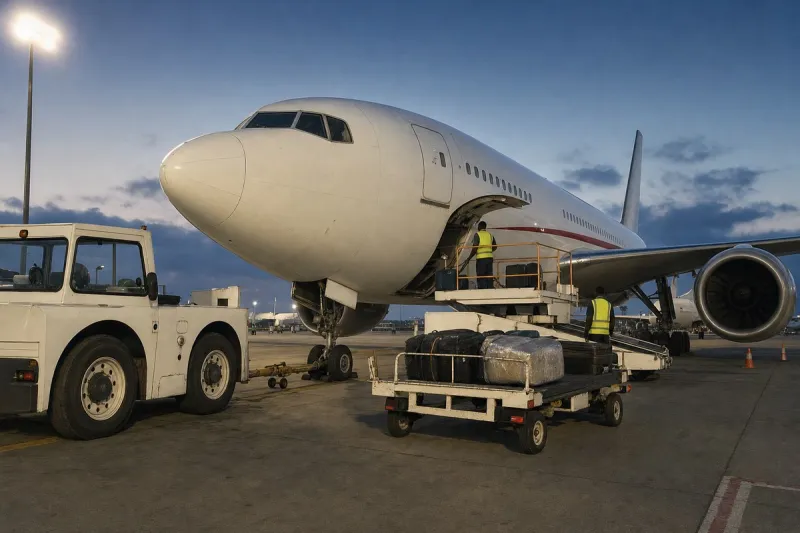
euroAtlantic Airways, a Portuguese ACMI and charter operator, has taken delivery of a second Airbus A330-300 leased from Jackson Square Aviation (JSA). The aircraft arrived in Portugal on October 28, 2026, and will be registered CS-TGJ. With it, the airline's fleet stands at eight aircraft.

The jet is scheduled to enter commercial service once it has been added to the airline's Air Operator Certificate, subject to regulatory approval. The first A330-300, registered CS-TGI, was delivered by Jackson Square Aviation in summer 2026 and has already entered service, operating short-term ACMI and charter assignments.
Both aircraft are configured with 290 seats across three classes. The additional widebody capacity will support euroAtlantic's ACMI and charter operations in international markets. The common configuration is expected to simplify crew planning, maintenance and operational deployment.
euroAtlantic is a portfolio company of Njord Partners and plans further fleet expansion as part of its long-term growth strategy. The companies did not disclose the lease terms or the expected commercial service entry date for CS-TGJ.
Industry impact & what to watch
Operating ACMI and charter work on widebodies rewards fleet commonality. Identical seat layouts and aircraft type mean a crew rostered on one airframe can fly the other, and spares and maintenance routines carry across both. For a small operator, that flexibility is often worth more than the headline seat count, because short-notice contracts depend on being able to swap an aircraft or crew without re-planning around configuration differences.
The leasing structure matters as well. Operators of this kind typically grow by placing leased airframes into contract work rather than buying them, which keeps balance-sheet exposure low and lets capacity be added in single-aircraft steps. Lessors such as Jackson Square Aviation, in turn, place aircraft with operators whose revenue depends on contract demand rather than scheduled-network performance.
The next dated milestone is CS-TGJ's addition to the Air Operator Certificate and the regulatory approval that goes with it, which gates the start of commercial flying. The first airframe's move from delivery into ACMI and charter assignments offers the template for how quickly the second may follow.