Australian Jet Fuel Stocks Stand 68 ML Above Minimum Stockholding Obligation as Western Sydney Airport Opens
Why It MattersA thin margin over a statutory floor means national jet fuel resilience depends on offshore cargoes counted toward the obligation, so airport growth tightens a buffer that onshore stocks do not provide.
What happened
Australian Department of Energy and Climate Change data published on 24 October show jet fuel stocks of 745 ML as at 20 October 2026, which is 68 ML above the Minimum Stockholding Obligation (MSO) of 677 ML. The MSO was raised from 663 ML to 677 ML on 6 October 2026. Using the department's consumption figure of 26.6 ML per day (825 ML over 31 days), the 68 ML margin equals about 2.6 days of cover, or roughly 1.5 medium-range tankers of 45 ML each.
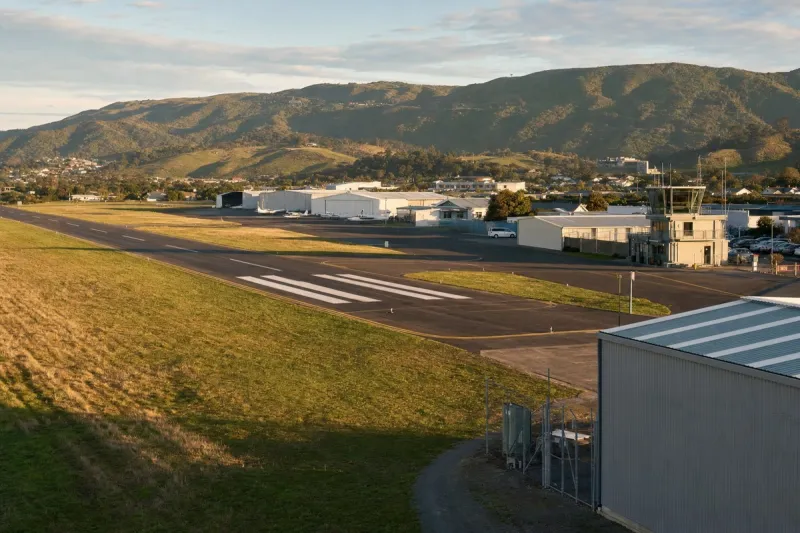
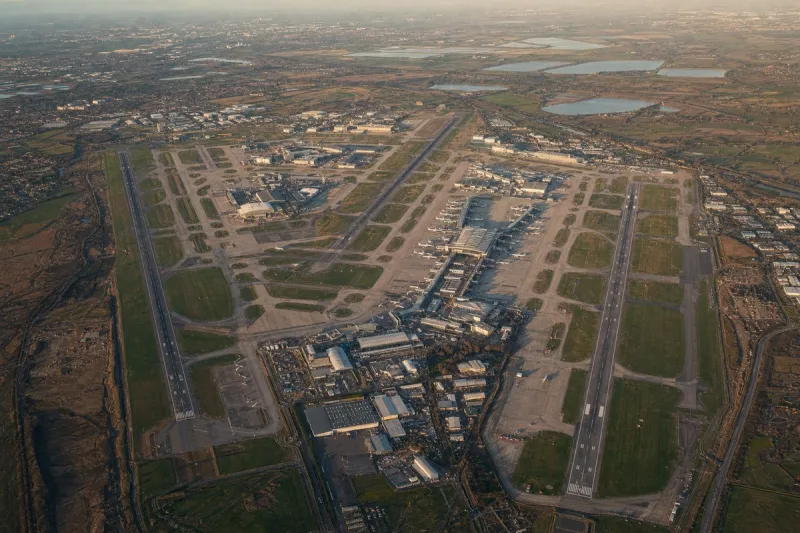
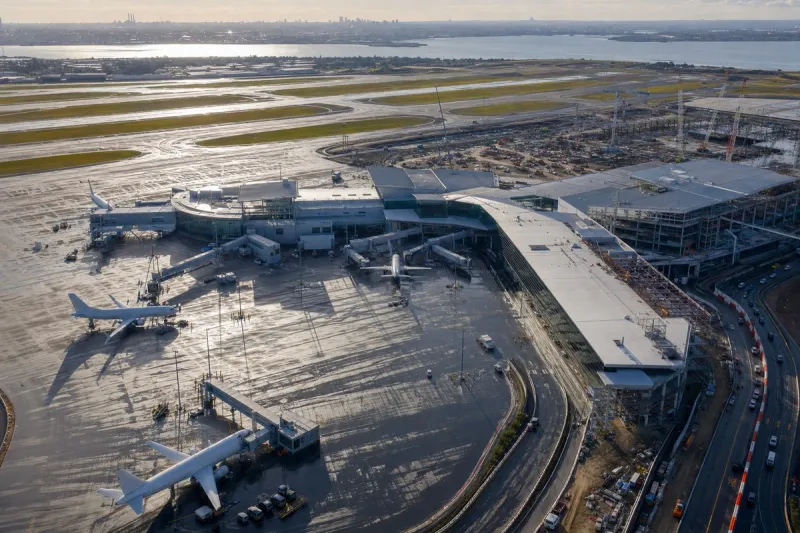
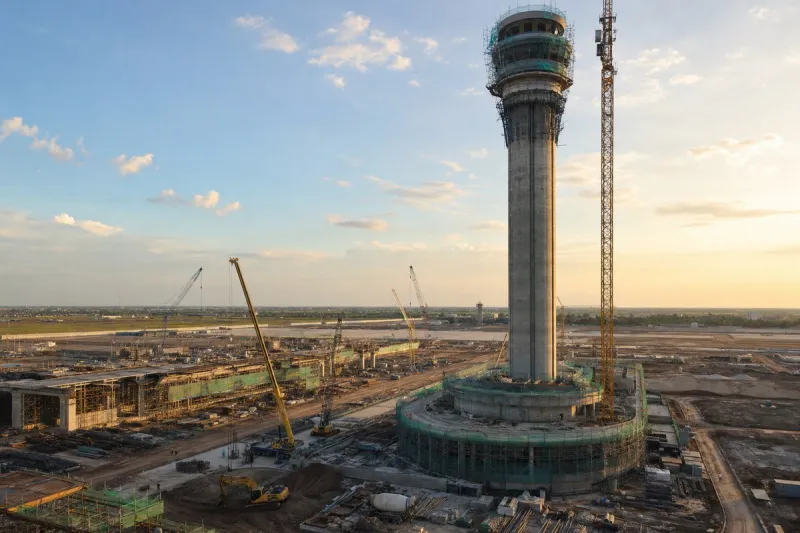
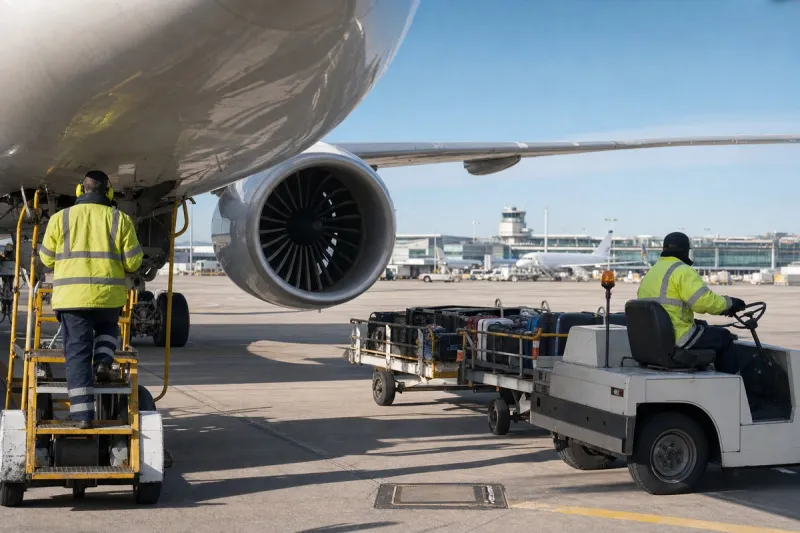
The day after the data were published, Western Sydney Airport saw its first passenger aircraft take off, with Prime Minister Anthony Albanese attending the opening. The airport's 2021 plan puts its first phase, at 10 million passengers, at jet fuel demand of 2.7 ML per day by the mid-2030s. Kingsford Smith Airport's 2045 Masterplan, released in 2025, targets passenger numbers rising from about 42 million to 72.6 million a year.
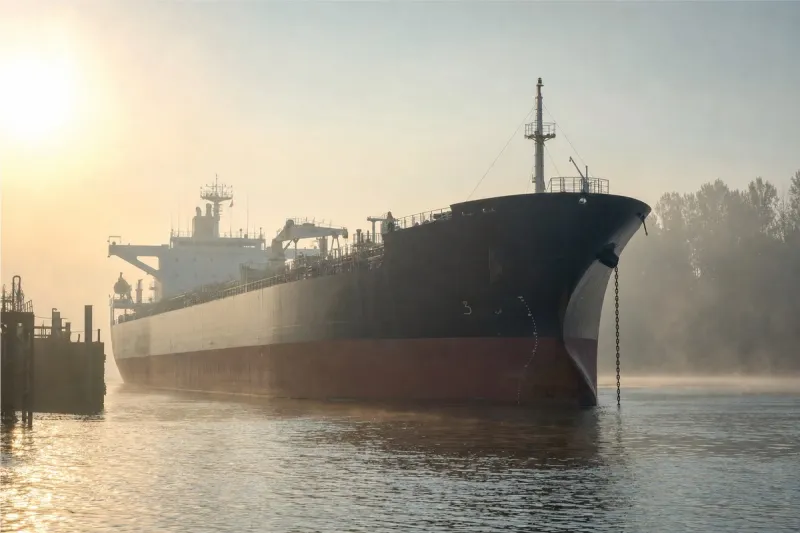
On 1 September, jet fuel stock in the Australian Petroleum Statistics (APS) was 573 ML, while MSO-defined stock was 901 ML. The two measures differ because MSO-defined stock includes tankers offshore in the exclusive economic zone and beyond. Stocks have fallen from their August peak.
At his 24 October press conference, Energy Minister Chris Bowen said Australia had 39 days of petrol, two days fewer than the previous week, and 31 days of diesel, also two days fewer. He put jet fuel at 28 days, unchanged. FY 2025/26 jet fuel sales were 9,975 ML, or 27.33 ML per day, which gives 27.3 days of cover for 745 ML of stock. Jet fuel consumption had only just returned to pre-Covid levels when the Iran war began.
How the obligation is calculated
A simplified estimate for FY 2025/26 puts the MSO at about 700 ML. It takes annual jet fuel imports of 8,200 ML, divides by 365 and multiplies by 27 days of required cover, then adds refinery production of 1,400 ML divided by 365 and multiplied by 24 days.
The official figure of 677 ML is lower than that estimate. The author attributes the gap to likely deductions such as aviation bunkers and exports to Pacific Islands including Papua New Guinea. The official calculation is governed by the Fuel Security Act 2021 and the Fuel Security (Minimum Stockholding Obligation) Rules 2022.
Industry impact & what to watch
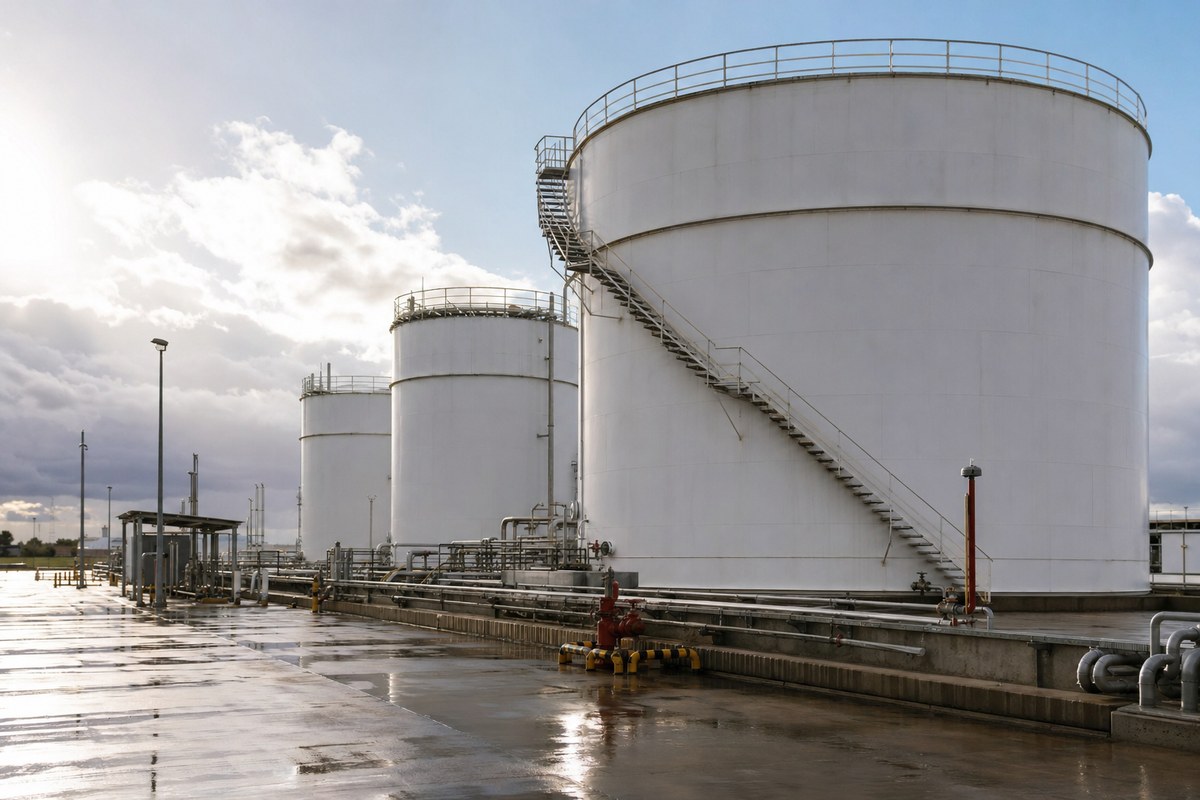
The gap between the two stock measures shows where the cushion sits. Onshore stock, as the APS series records it, was 573 ML on 1 September, well below the 901 ML counted for MSO purposes that day. A margin of 68 ML above the obligation can therefore consist largely of cargoes still at sea, and a delayed or diverted tanker removes a meaningful share of it. Cover quoted in days also depends on the consumption figure chosen: 26.6 ML per day gives 2.6 days of margin, while the FY 2025/26 sales average of 27.33 ML per day gives 27.3 days of total cover, which was stated as 28.
Growth in airport capacity pushes demand in one direction while the obligation is reset at intervals. The 2.7 ML per day projected for Western Sydney's first phase, on top of a Kingsford Smith masterplan that nearly doubles passenger numbers, would require stockholding obligations to rise in step. Fuel suppliers, airports and airlines planning around new capacity are exposed to the same offshore-dependent buffer.
The next weekly ministerial cover figures and the next MSO adjustment will show whether the margin widens or narrows.