FLYING Finance Outlines Aircraft-Purchase Timeline and Costs as Year-End Bonus Depreciation Deadline Nears
Why It MattersA permanent 100 percent deduction that attaches only on the in-service date pulls aircraft closings into the fourth quarter, so financing, inspection and delivery capacity become the binding constraints each year-end.
What happened
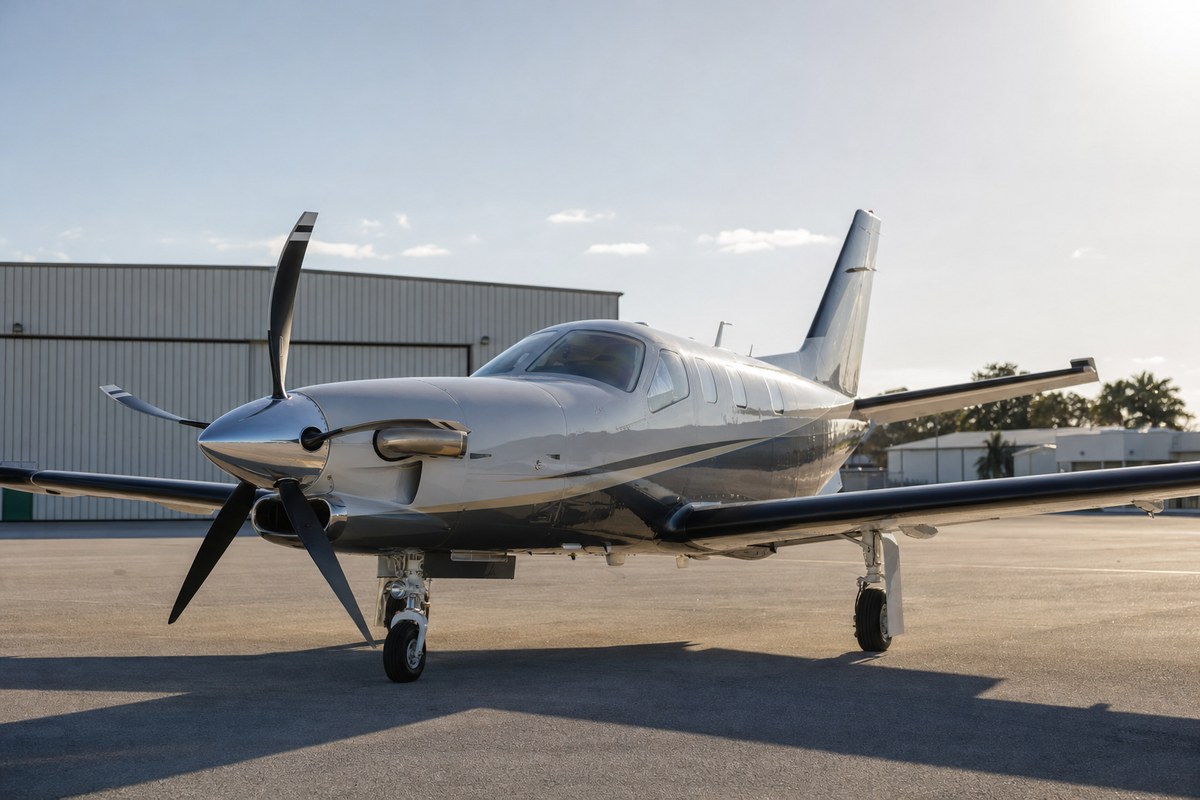
A FLYING Finance article written in mid-October, when 77 days remained before year-end, lays out what buyers should expect when purchasing an airplane, with the bonus depreciation deadline as its focus. A member of the Daher TBM team in Fort Lauderdale, Florida, said every delivery he took part in was driven by bonus depreciation. General Aviation Manufacturers Association (GAMA) shipment reports showed that, as of June, Daher had delivered 27 new TBM 980s and nine Kodiak aircraft.
The One Big Beautiful Bill Act, signed July 4, 2025, made 100 percent bonus depreciation permanent for qualifying property acquired after January 19, 2025. That ended the phase-out of 20 percent per year that had begun in 2022. The deduction applies in the tax year the aircraft is placed in service, so the aircraft must be bought, closed, delivered and ready for business use by December 31. An aircraft closing on January 4 falls into the following tax year. Business use must exceed 50 percent, personal and commuting flights generally do not count, and flight logs are needed to prove business use.
The average FLYING Finance loan closes in about 39 days from application to delivery, with the fastest closings taking around 10 days. A realistic backward timeline calls for closing and delivery by mid-December, a pre-buy inspection one to two weeks beforehand, and a signed purchase agreement before that. Pre-approval uses a soft credit pull and typically returns a decision in two business days.
Published rates start in the mid-six percent range for jets, turboprops and certified piston aircraft, with light sport and experimental aircraft priced higher. For turbine aircraft, lenders generally look for credit scores of 700 or higher, with the best pricing above 720, a debt-to-income ratio of no more than about 46 percent, and three to six months of payments held in reserve after closing.
Worked financing example
One worked example in the article is a $480,000 Cirrus SR22 with 15 percent down, which makes a $408,000 loan. Payments come to about $2,975 a month at 6.22 percent over 20 years, or about $3,492 over 15 years.
A second example, a $2 million turboprop, is also given, but its terms are cut off in the text and are not reproduced here.
Industry impact & what to watch
A tax benefit that attaches on the date an aircraft is placed in service, rather than the date a contract is signed, turns a calendar boundary into a hard operational constraint. Every step between contract and delivery has to fit inside the remaining weeks: lender underwriting, the pre-buy inspection, closing paperwork and the handover itself. That is why the Daher team member describes his deliveries as driven by the deduction, and why fourth-quarter volume tends to concentrate at manufacturers and lenders with the shortest cycle times.
The permanence of the 100 percent rate changes the character of the incentive. Under the earlier 20-percent-per-year phase-out, the deduction shrank every January and created a one-time rush. With the rate fixed, the year-end deadline still matters, but the pressure is a recurring seasonal pattern in order timing rather than a countdown to a disappearing benefit.
The next dated checkpoint is the one the article itself sets: closing and delivery by mid-December, with a signed purchase agreement in place well before then. Buyers who cannot clear a pre-buy inspection in that window are the ones whose deliveries would slide into the following tax year.