Boeing Holds Early Talks on Engine Makers Joining Its Dataliner Platform
Why It MattersPooling engine and airframe performance data on a single platform could shift predictive-maintenance leverage toward whoever controls the data layer, raising questions about aftermarket competition between OEMs and independent providers.
Boeing sees potential for engine manufacturers to participate in its recently launched Dataliner platform, Chris Raymond, president and CEO of Boeing Global Services, said at Aviation Week's MRO Europe conference in Amsterdam on Oct. 27. He said the company has held initial discussions about possible engine OEM involvement in the AI-enabled digital aviation platform, but did not identify the manufacturers or give details of any prospective agreements.
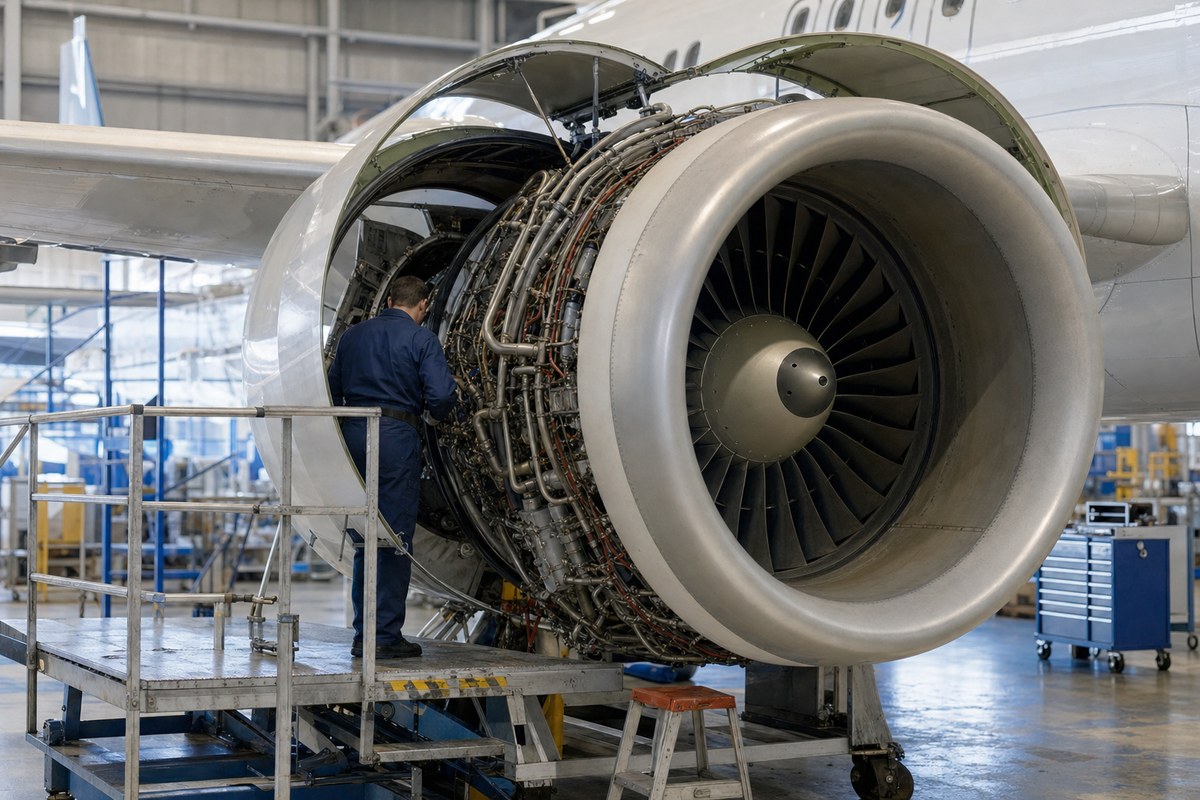
Raymond pointed to Boeing's established relationships with engine OEMs across production and the aftermarket, including parts distribution agreements, and sees data sharing as another area for collaboration. He said combining aircraft and engine performance information could help anticipate maintenance needs and improve understanding of overall aircraft reliability.
Boeing announced Dataliner the previous week as an AI-powered data intelligence platform meant to connect fragmented data to support fleet maintenance planning. The company has launched a TechOps AI agent and an asset lifecycle planning tool on the platform, which was developed with Microsoft. Longer term, Boeing wants to connect maintenance data with information on parts usage and distribution, aircraft modifications and safety.
Raymond said Dataliner is intended to connect with customers' applications and data through interfaces, with customers controlling which information they make available through data-sharing agreements and permissions. "Most people want to keep their data; they don't want to send it all to somebody else," he said.