Banning City Council to Consider Nonbinding Deal With Hillwood Affiliate to Redevelop Municipal Airport Site
Why It MattersThe case shows how a federal release pathway can let municipalities weigh long-term ground-lease revenue against keeping general aviation airports open, shifting the fight to repayment costs and local approvals.
What happened
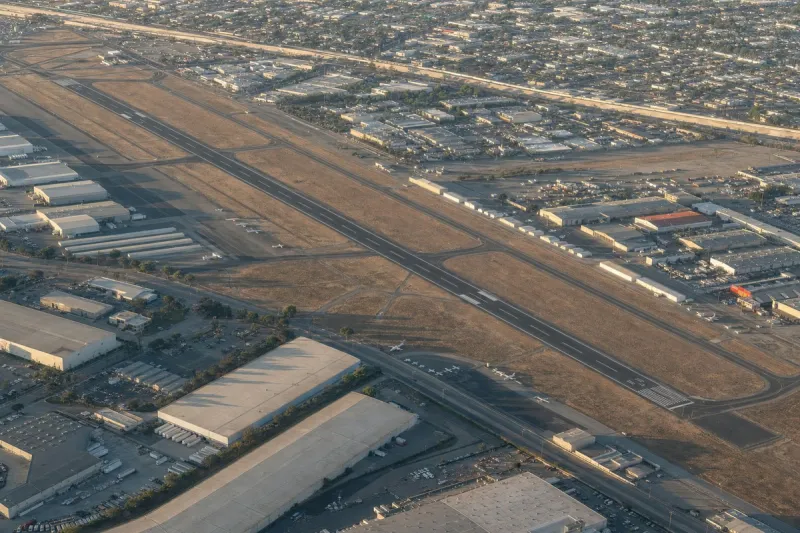
The Banning, California, City Council is scheduled to consider an agreement Tuesday that could advance plans to close Banning Municipal Airport and redevelop the property for industrial use. City staff are recommending approval of a nonbinding agreement with Industrial VI Enterprises LLC, an affiliate of developer Hillwood.
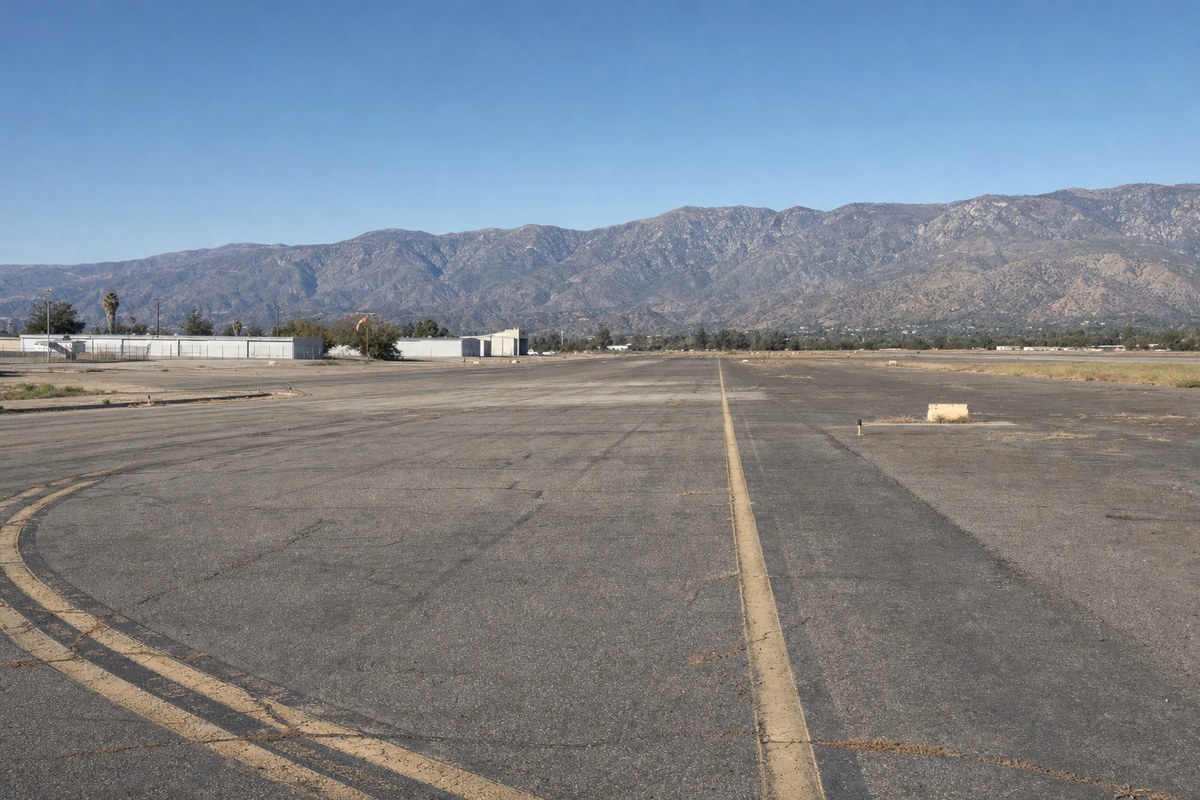
Under the proposal, Hillwood would develop six industrial buildings totaling approximately 3.2 million square feet on 175.7 acres of city-owned airport land. The development would be structured around 55-year ground leases, allowing the city to retain ownership of the underlying property. City staff estimate the project could generate $332 million in nominal recurring revenue for the city over the lease period, before any additional one-time fees or potential property sales.
Banning first adopted a goal of closing the airport in 2017 and reaffirmed that position in 2023. The effort received a boost from a provision in the 2024 FAA legislation that establishes a pathway to release the city from federal obligations requiring the airport to remain open. The provision requires Banning to repay certain federal grant-related funds and transfer salvageable aviation equipment to other airports before receiving that release.
"Approval would establish a non-binding negotiating framework for further review," city staff wrote in their report. "It would not authorize airport closure, entitlements, construction, or execution of Definitive Agreements." The development would still require environmental review, additional council approvals and compliance with federal airport closure requirements. City officials say the project could take another 18 to 24 months to reach final council consideration.
Opposition from aviation advocates
The Southern California Aviation United Working Group (SCAUWG) has urged city officials to reconsider, citing financial and environmental concerns. In an Oct. 24 letter, the organization questioned the potential cost of repaying the FAA for 20 acres acquired through a 1983 federal grant.
It also raised concerns about a proposed $6 million public benefit fee that would be offset by airport closure expenses, including required federal repayments. "This structure might represent a net-zero mechanism," wrote SCAUWG director Ron Berinstein, "because the initial developer fee could be entirely exhau…"
The redevelopment would replace a general aviation airport that has operated for decades in the San Gorgonio Pass. The city maintains that industrial development could provide a more sustainable source of revenue, while airport advocates continue to push to preserve the facility.
Industry impact & what to watch
Banning illustrates a dynamic that general aviation airports owned by small municipalities increasingly face: federal grant obligations that once kept a field open can now be unwound through a defined release process, provided the city repays specified funds and relocates usable equipment. That turns the closure question into a ledger comparison between repayment and closure costs on one side and decades of lease income from industrial tenants on the other.
The ground-lease structure matters to that comparison. Because the city keeps title and collects recurring rent, the pitch to residents is long-term revenue rather than a one-off land sale, and the opposition's argument targets exactly the point where that pitch is softest: whether one-time developer fees are consumed by federal repayment and closure costs.
The next concrete marker is the council's Tuesday vote on the nonbinding framework. Beyond that, the environmental review, further council approvals and the federal closure requirements are the steps that would decide whether the airport actually closes.