Aspen Airport Proposes Landing Fee Hikes for 2027 Ahead of Eight-Month Runway Closure
Why It MattersFee schedules at seasonal, single-runway resort airports are being reset to recover a full year's fixed costs from a shortened operating window, shifting reconstruction-year costs onto the aircraft that do land.
What happened
Aspen/Pitkin County Airport in Colorado is considering a sharp increase in landing fees for 2027. General aviation rates are proposed to rise about 140%, from $13.76 to $33.09 per 1,000 pounds of aircraft weight.
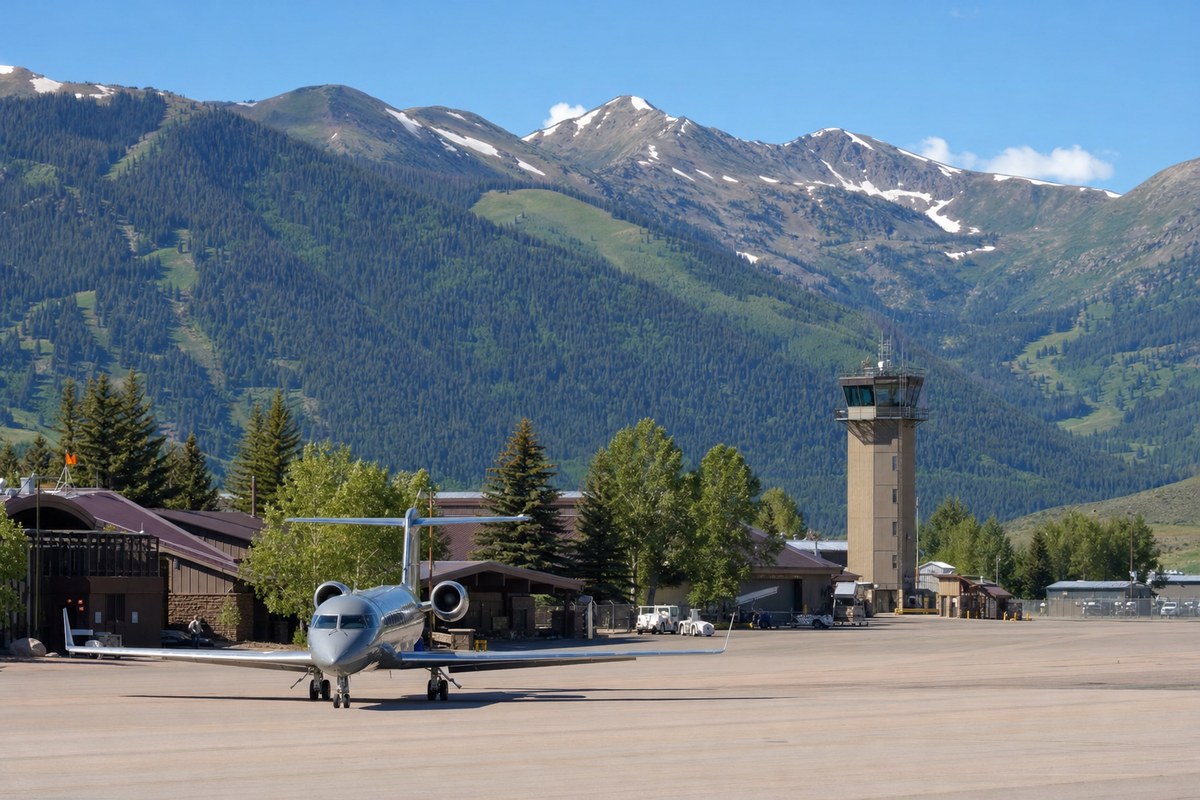
Airlines operating under agreements with the airport would pay $31.84 per 1,000 pounds, up from $12.05.
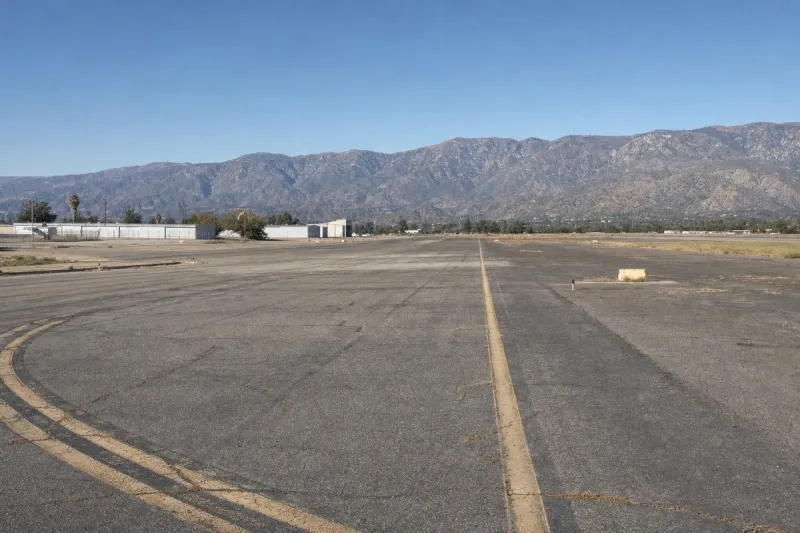
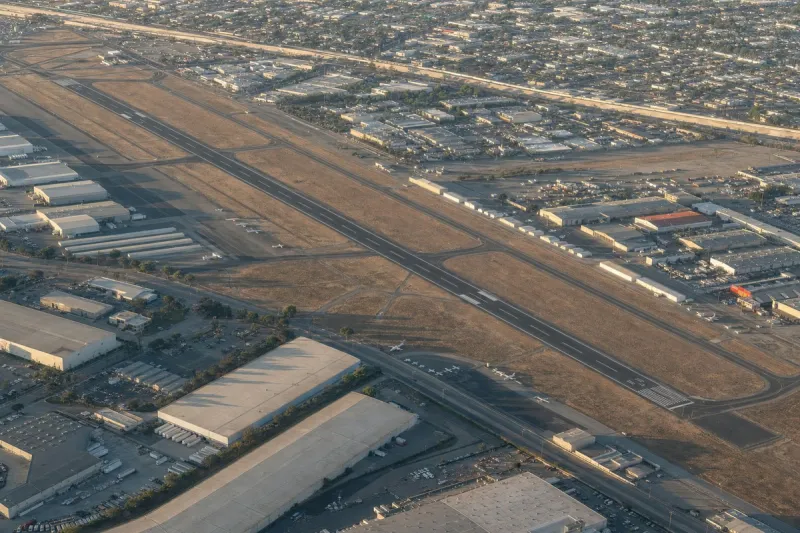
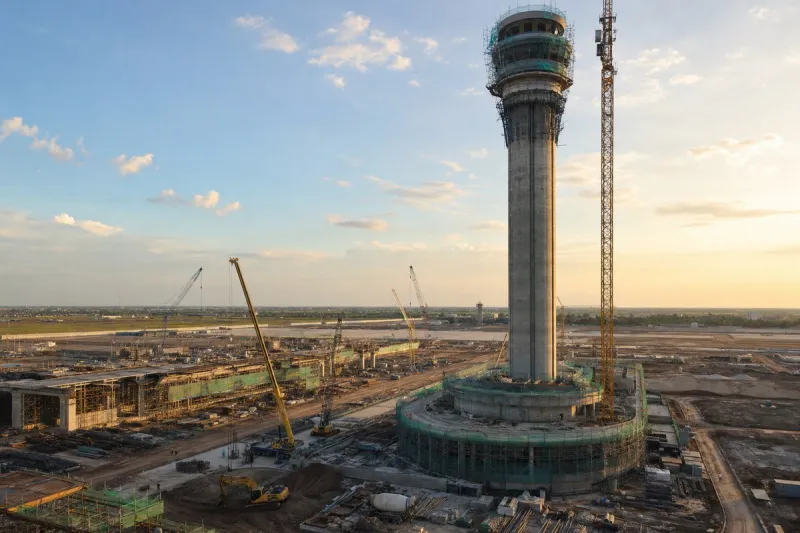
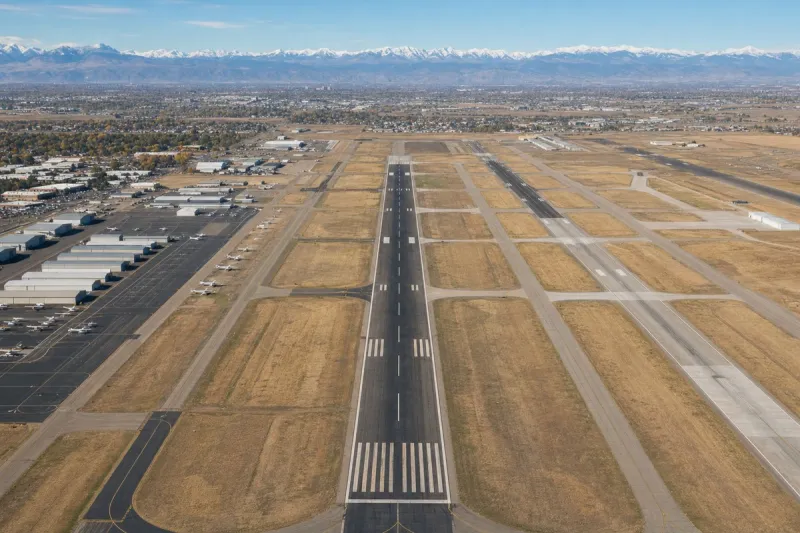
The increases are part of the airport's effort to cover annual operating expenses while accommodating a major construction project that will keep the airfield closed for much of the year. The runway is scheduled to close April 4, 2027, and reopen Nov. 19, a closure of nearly eight months for runway reconstruction. Airport officials have said the compressed operating season creates a financial challenge, because expenses will continue even as the airport loses much of its traffic and associated income. The proposed landing fees would help make up that shortfall.
The runway work is part of a broader airport modernization effort. Plans also include a new passenger terminal and FBO facility, though the replacement terminal is not expected to be completed until 2029.
Pitkin County commissioners are scheduled to consider the proposed 2027 rates at a public hearing on Nov. 4. If approved, the rates would take effect Jan. 1.
Industry impact & what to watch
Airport landing fees are one of the few levers a county-owned field has for recovering fixed costs, and a closure that removes most of a year's traffic concentrates that recovery on the weeks the runway is open. Staffing, maintenance and debt service do not pause with the airfield, so the per-landing price has to carry more of the load when landings are scarce. The Aspen proposal shows that arithmetic applied openly, with general aviation and airline rates both moving to roughly the same level per 1,000 pounds.
For operators serving a mountain resort market, the 2027 season is effectively a short window at a much higher unit cost, followed by a terminal that is still not finished when the runway reopens. Trip pricing, fuel-and-fee quotes and tech-stop planning for the open months will all be built on whatever rate the commissioners settle.
The next point that settles the question is the Nov. 4 public hearing, where commissioners will decide whether the proposed 2027 rates are adopted as written ahead of the Jan. 1 effective date.