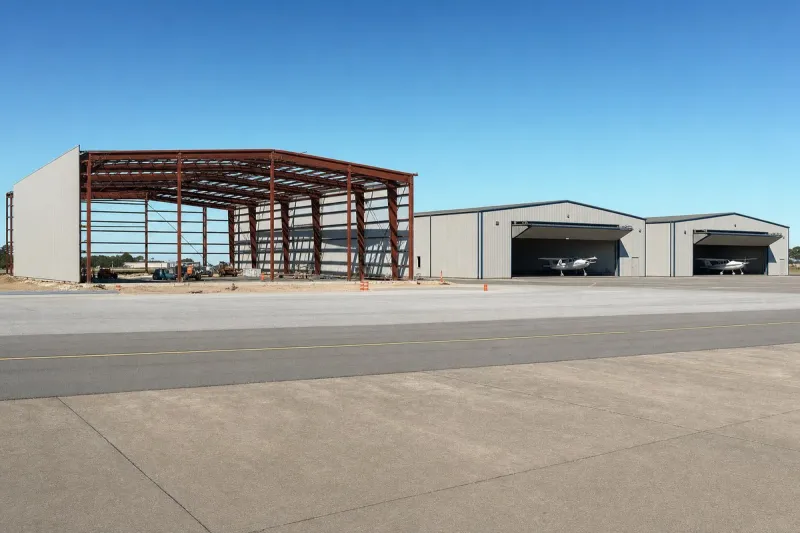
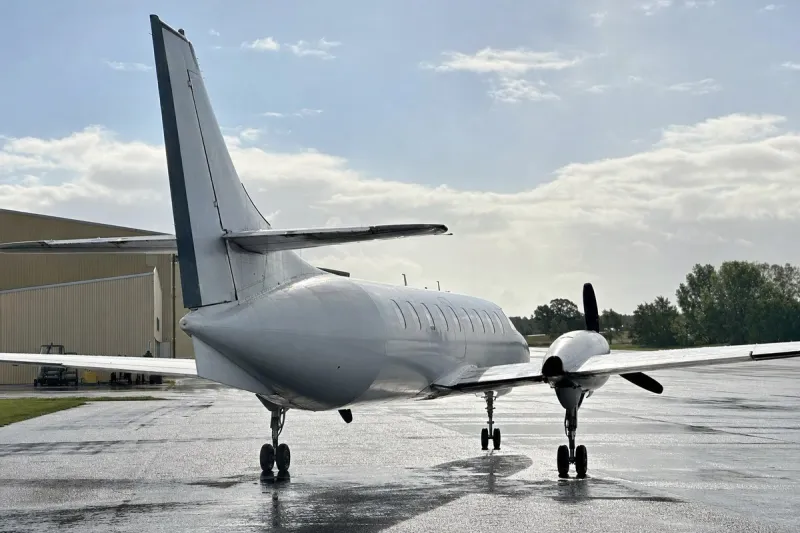
FAA Seeks Industry Data on Letting Civilian Restricted-Category Aircraft Carry Firefighters to Wildfires
Why It MattersThe inquiry shows firefighter transport hinges on whether restricted-category aircraft, now under FAA oversight, can be shifted toward ground-crew work, with commercial-operator requirements and fleet capacity still unsettled.
What happened
The US Federal Aviation Administration (FAA) is seeking industry input on a proposed regulatory change that could allow certain restricted-category aircraft owned by civilian operators to transport firefighters to wildfires for ground-based suppression. The agency is collecting data by 13 November, and comments can be submitted under docket FAA-2026-10991 via the Federal eRulemaking Portal.
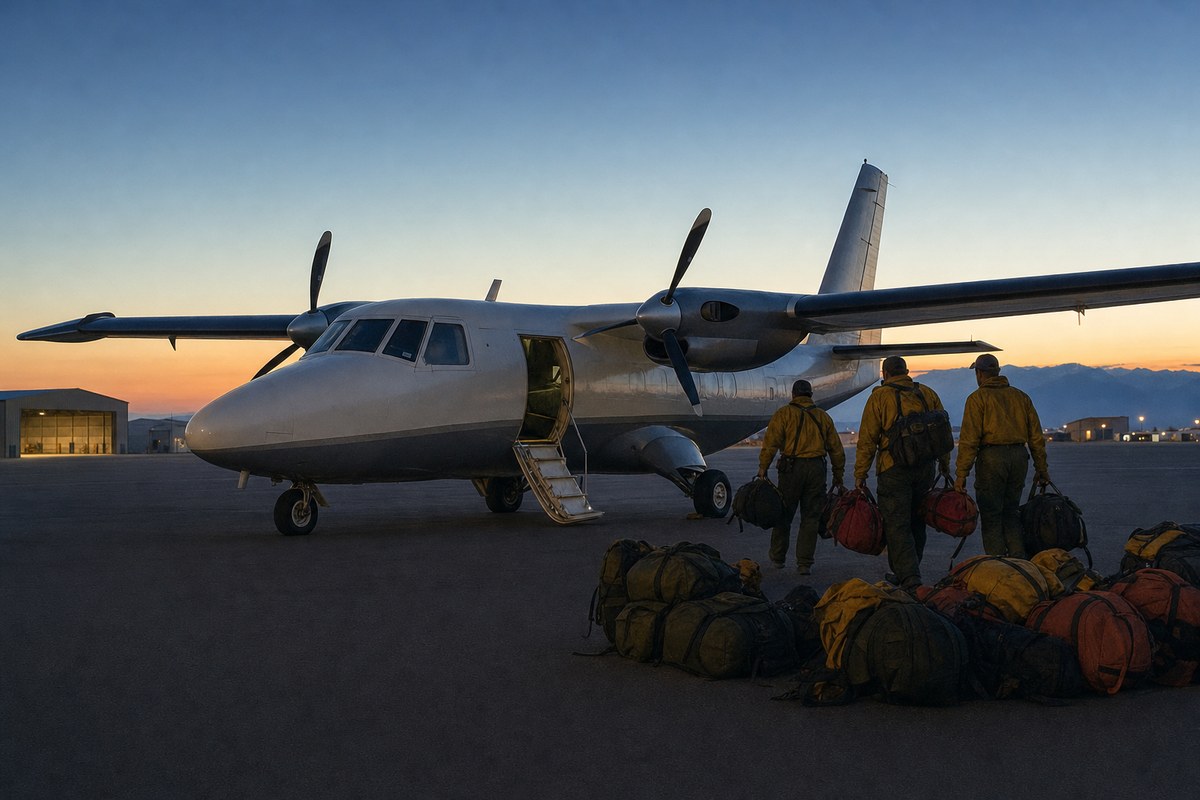
The vehicle is an advance notice of proposed rulemaking (ANPRM), published in response to Section 360 of the FAA Reauthorization Act of 2024. It is intended to gather operational and economic data before the agency develops a formal proposal.
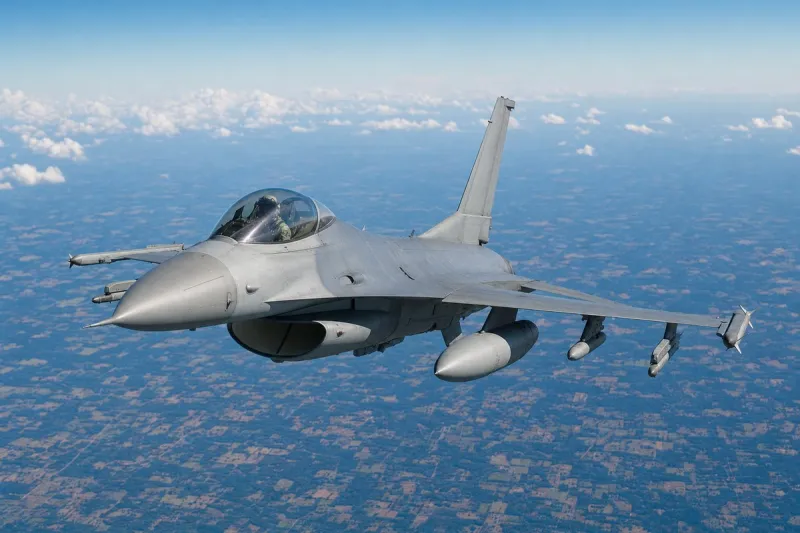
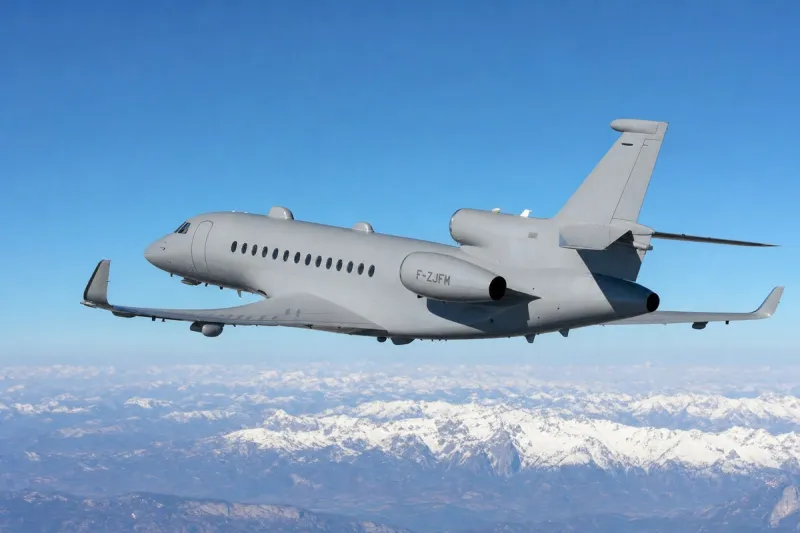
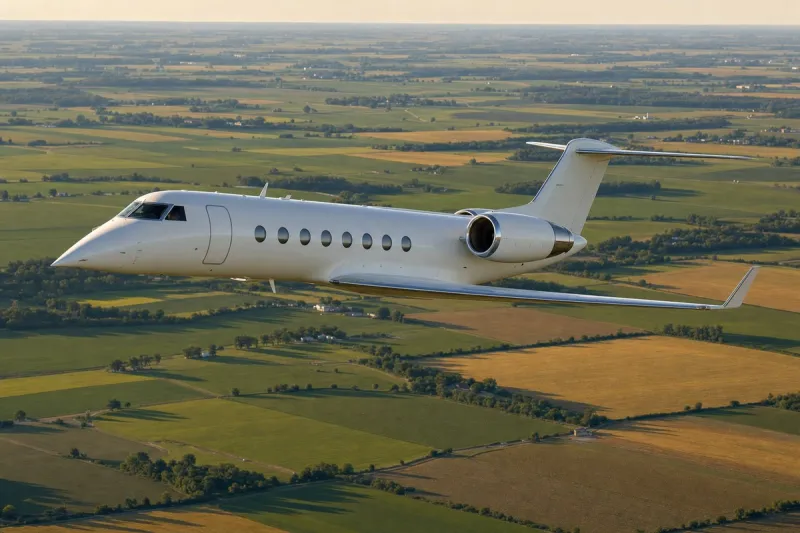
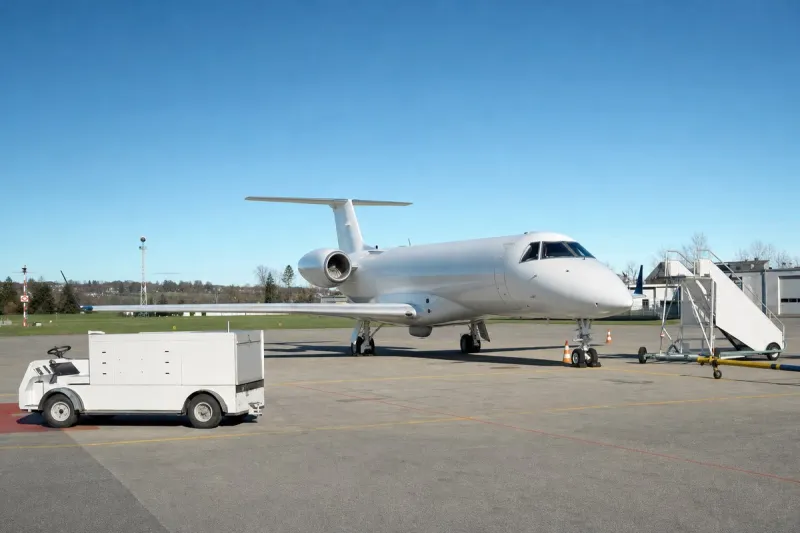
Under current US regulations, restricted-category civil aircraft certified for specialist missions such as aerial firefighting generally cannot carry firefighters to a wildfire to fight flames on the ground. Existing rules allow people aboard these aircraft only under specified conditions linked to their certified purpose, and transporting ground crews is not currently recognized as an eligible special-purpose operation. The proposed change would potentially amend regulations governing restricted-category aircraft operations and commercial operator certification.
The FAA said the rulemaking could increase the number of aircraft available to move firefighters to wildfire sites. It is seeking evidence on current transport capacity, aircraft types, contractor availability, operating costs and the potential effect on response times, and is asking whether additional maintenance, inspection and pilot-training requirements under Part 135 should apply.
The initiative follows changes introduced by the 2024 legislation that brought civilian-owned restricted-category aircraft operating on behalf of government entities under FAA regulatory oversight, potentially limiting their availability for firefighter transport. According to National Interagency Fire Center data cited by the FAA, the USA recorded an annual average of 61,680 wildfires and 7.29 million acres burned between 2020 and 2024.
Industry impact & what to watch
Restricted-category aircraft are certified around a narrow set of special-purpose missions, and the current rules tie who may be aboard to that certified purpose. An ANPRM is the earliest stage of rulemaking: it collects evidence on capacity, cost and safety before any text is proposed, so nothing about operating rights changes at this point.
The questions the FAA is asking point to where the substance of the debate sits. Asking about contractor availability, aircraft types and response times frames the issue as one of fleet capacity, while asking whether Part 135 maintenance, inspection and pilot-training requirements should apply frames it as one of oversight. For civilian operators of such aircraft, any eventual permission would most likely arrive tied to commercial-operator certification rather than to the restricted-category approval alone.
The next dated milestone is the 13 November close of data collection under docket FAA-2026-10991. What operators and contractors submit on capacity and cost will largely determine whether a formal proposal follows and how it treats Part 135 obligations.