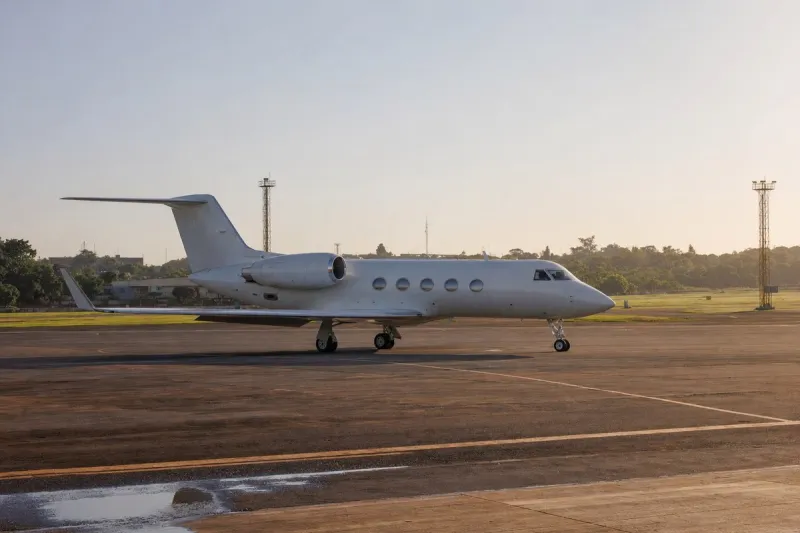
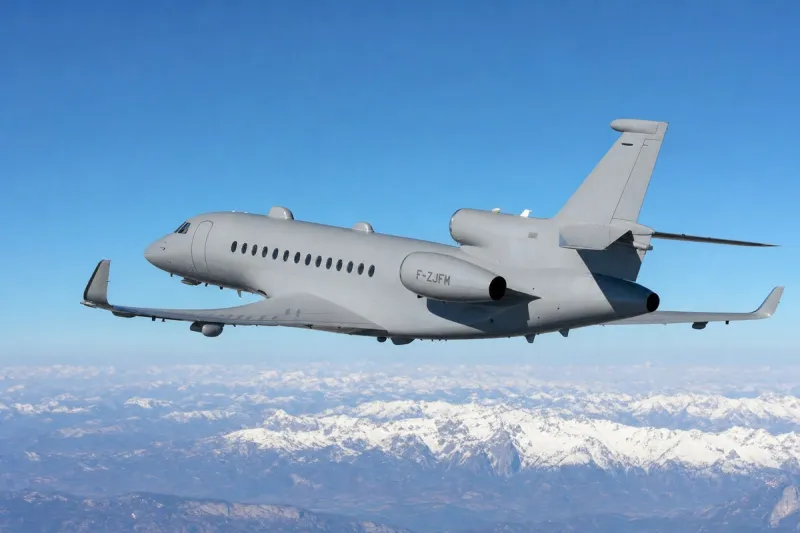
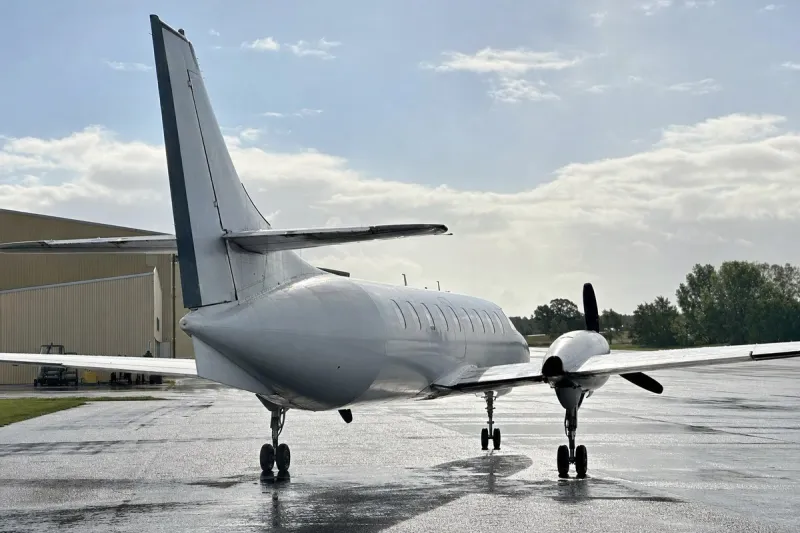
Flávio Bolsonaro's Gulfstream G400 Flies From Argentina Toward Miami-Opa Locka Executive Airport
Why It MattersOpa-Locka's 24-hour runways, on-site CBP and absence of scheduled airline service show why a single border-to-border private-jet leg can move a high-profile passenger beyond a legal reach within hours.
What happened
Brazilian senator Flávio Bolsonaro (PL-RJ) left Brazil with three relatives after a ruling by Brazil's Supreme Federal Court (STF) ordered the seizure of his passport and barred him from leaving the country. The Federal Police had requested the precautionary measures from Justice Alexandre de Moraes amid an investigation into the senator's flight risk. By the time the decision was taken, he had already crossed the border.

On the night of Tuesday, October 27, the group entered Argentina over the Tancredo Neves International Bridge, which links Foz do Iguaçu, Paraná, with Puerto Iguazú. Argentina's National Directorate of Migration confirmed their entry and said all presented valid documentation.
On the morning of Wednesday, October 28, a Gulfstream G400 private jet carrying the group departed Puerto Iguazú with Miami-Opa Locka Executive Airport in Florida as its expected destination. The US government said it would grant visas to Bolsonaro and his relatives and allow them to enter the country.
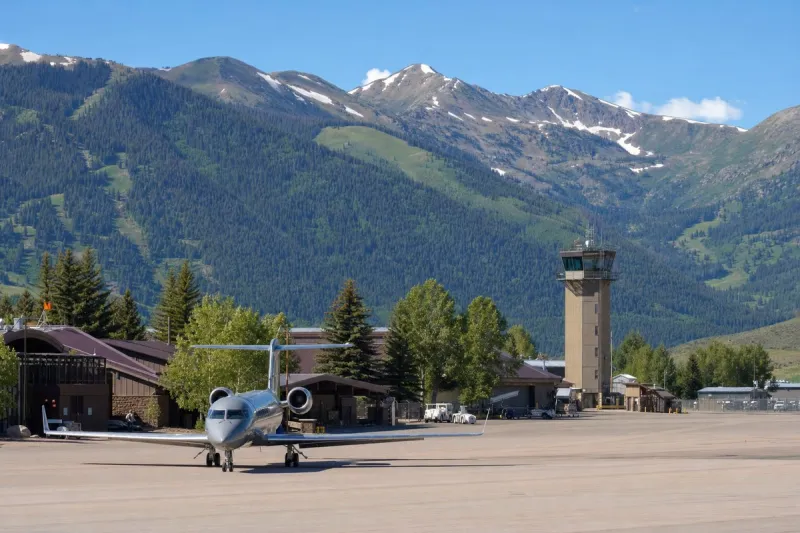
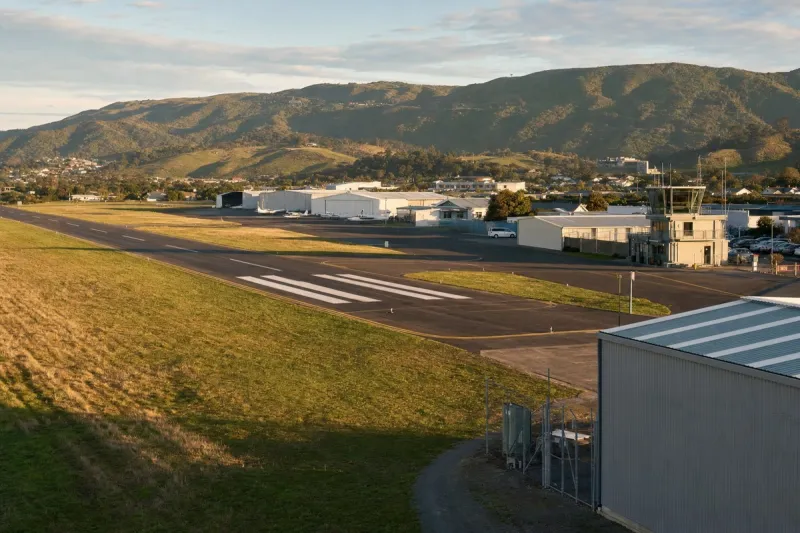
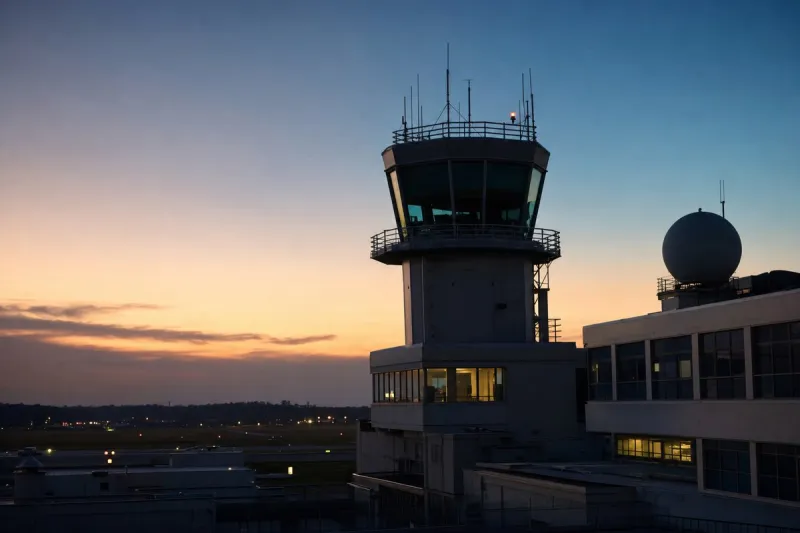
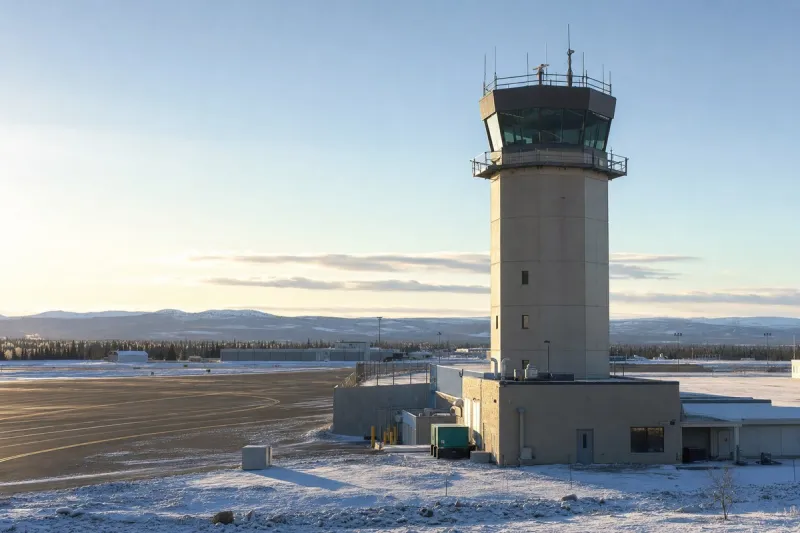
Opa-Locka is a business-aviation airport that handles private, corporate and government flights; unlike Miami International Airport (MIA), it has no scheduled commercial airline service. It covers roughly 760 hectares (about 1,880 acres) and has three paved runways in operation, the longest more than 2,400 metres, which can accommodate long-range jets such as the G400. Runways are available 24 hours a day, including weekends and holidays, while the control tower operates daily from 7:00 to 23:00. US Customs and Border Protection (CBP) is on site.
Industry impact & what to watch
The route illustrates how business aviation separates a passenger from the scheduled-airline system. A long-range jet such as the G400 departs from a regional airfield on the traveller's own timing, with no airline manifest or booking window, and lands at an airport built for private traffic. Opa-Locka's profile is typical of that niche: no scheduled service, round-the-clock runways and a CBP presence on site.
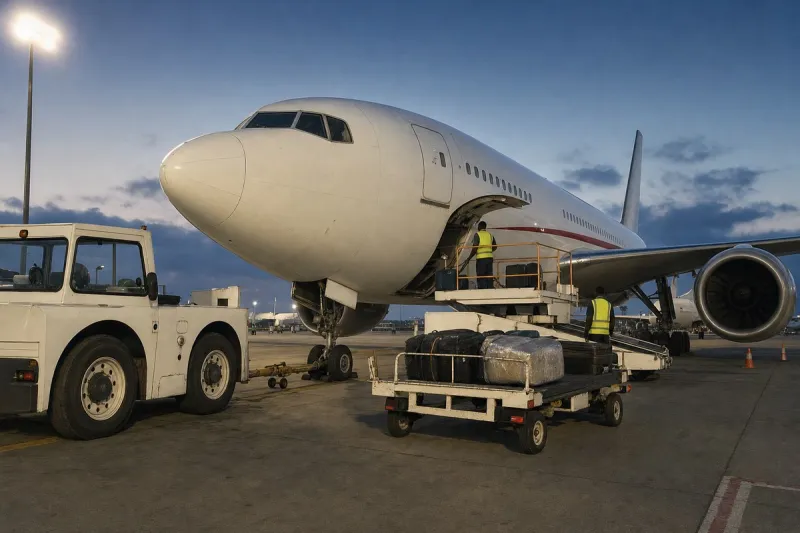
For operators and handlers, cases like this put the spotlight on trip-support work that normally goes unnoticed: confirming that passengers hold valid documents at the destination, that a customs officer is available when the aircraft arrives, and that the airfield can take the aircraft type. Argentine migration confirmed the group's documents were valid, and the US government said visas would be granted, which are the checks that determine whether such a leg can be completed.
The pending point is the arrival itself: the flight was bound for Opa-Locka as its expected destination, so the landing and the handling of the passengers there remain the next development to follow.