Fairbanks International Airport Control Tower to Close Overnight Starting Oct. 19, FAA Says
Why It MattersOvernight tower closures at airports with mixed cargo, passenger and medevac traffic shift separation duties onto pilots and remote facilities, making clearance, weather and lighting arrangements the practical constraint on night operations.
What happened
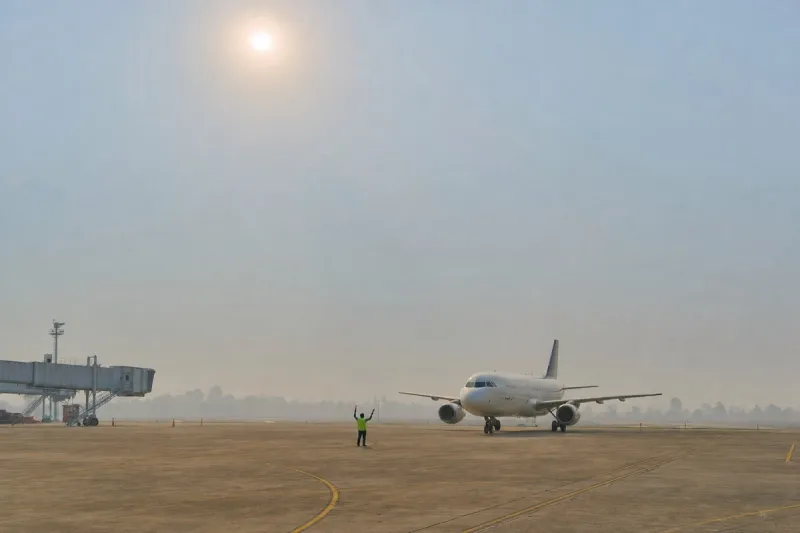
The air traffic control tower at Fairbanks International Airport will close overnight beginning Sunday, Oct. 19, according to the FAA. The Fairbanks Air Traffic Control Tower/TRACON will temporarily cease air traffic control services during overnight hours. The closure stays in effect until further notice, with a cancellation date listed as Oct. 31, 2027. The overnight start and end times were partly garbled in the notice, which gives the start as 10 p.m. local time.
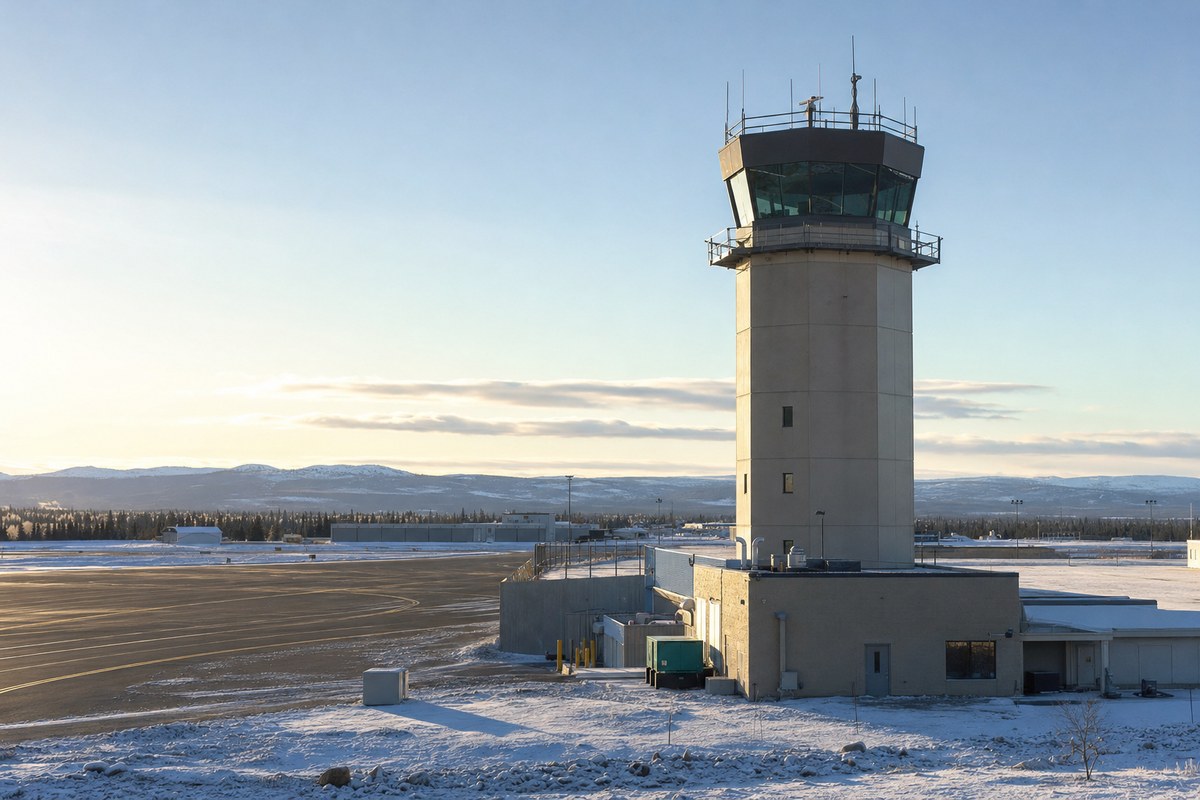
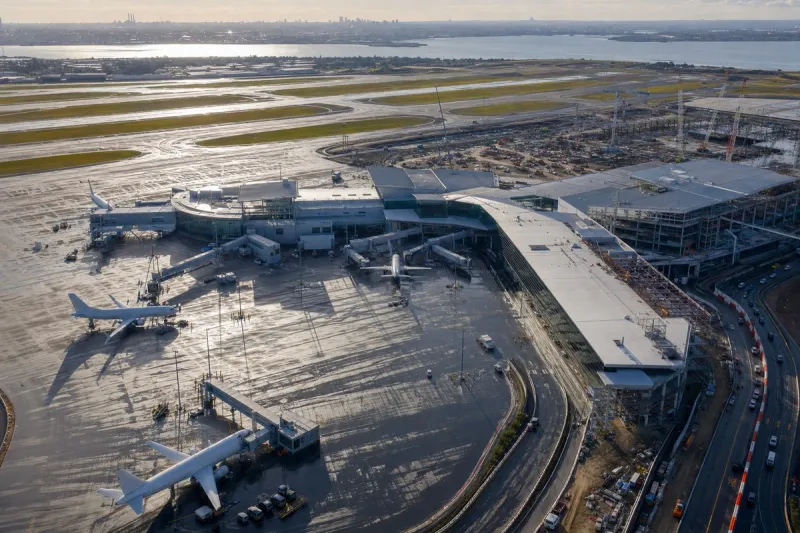
Fairbanks International handles cargo flights, domestic passenger traffic and medevac planes, all of which could be affected overnight. The FAA has not said why the tower is cutting overnight hours and did not respond to requests for comment. Airport management has also not responded.
The notice states that the PAFA Class D airspace will remain in effect, but Class D air traffic services will not be available. Terminal Radar Service Area services will also be unavailable. The Fairbanks ASOS will be unavailable during closure times, and runway visual range will be unusable when the control tower is closed.
Pilot-controlled lighting will also be unavailable. Approach lighting will be preset to the highest intensity warranted by conditions forecast in the Terminal Aerodrome Forecast, and adjustments to the approach lights will not be possible during the closure.
The FAA said weather updates and flight clearances will still be available during the closure. Pilots requesting an IFR or special VFR clearance on the ground should contact Flight Service, and pilots requesting a clearance in the air should contact Anchorage Center.
Industry impact & what to watch
When a tower goes dark overnight but the Class D designation stays on the chart, the airspace still exists while the service that normally manages it does not. Crews arriving or departing at night then coordinate clearances through Flight Service on the ground or Anchorage Center in the air, and rely on their own traffic awareness at the field. For an airport that mixes cargo, scheduled passenger and medevac movements, the night hours are where that handoff matters most, because those flights run on tight timing and do not choose their hour.
The lighting and weather provisions are the part operators can plan around concretely. With approach lights fixed at a preset intensity and runway visual range unusable, night minimums and alternate planning depend on the Terminal Aerodrome Forecast and on whatever weather updates the FAA says will remain available. Cargo and medevac dispatchers typically build those inputs into release decisions, so the unavailable ASOS and fixed lighting become dispatch variables rather than background detail.
Two items would settle how long this lasts: the FAA's stated reason for cutting overnight hours, which it has not given, and whether the Oct. 31, 2027 cancellation date holds or the closure is lifted sooner or later. Airport management's account of how night traffic will be handled would add the local picture.