Lufthansa Technik Says Full MRO Integration With TAP Remains Far Off After Stake Win
Why It MattersMinority stakes in state-linked airlines give the buyer a foothold but not control, so maintenance integration across a group depends on later steps to a majority holding that no bid result guarantees.
What happened
Lufthansa has won the bidding to become a major shareholder in TAP Air Portugal. David Doyle, corporate strategy vice president at Lufthansa Technik, said that combining the two companies' maintenance, repair and overhaul (MRO) operations remains far off.
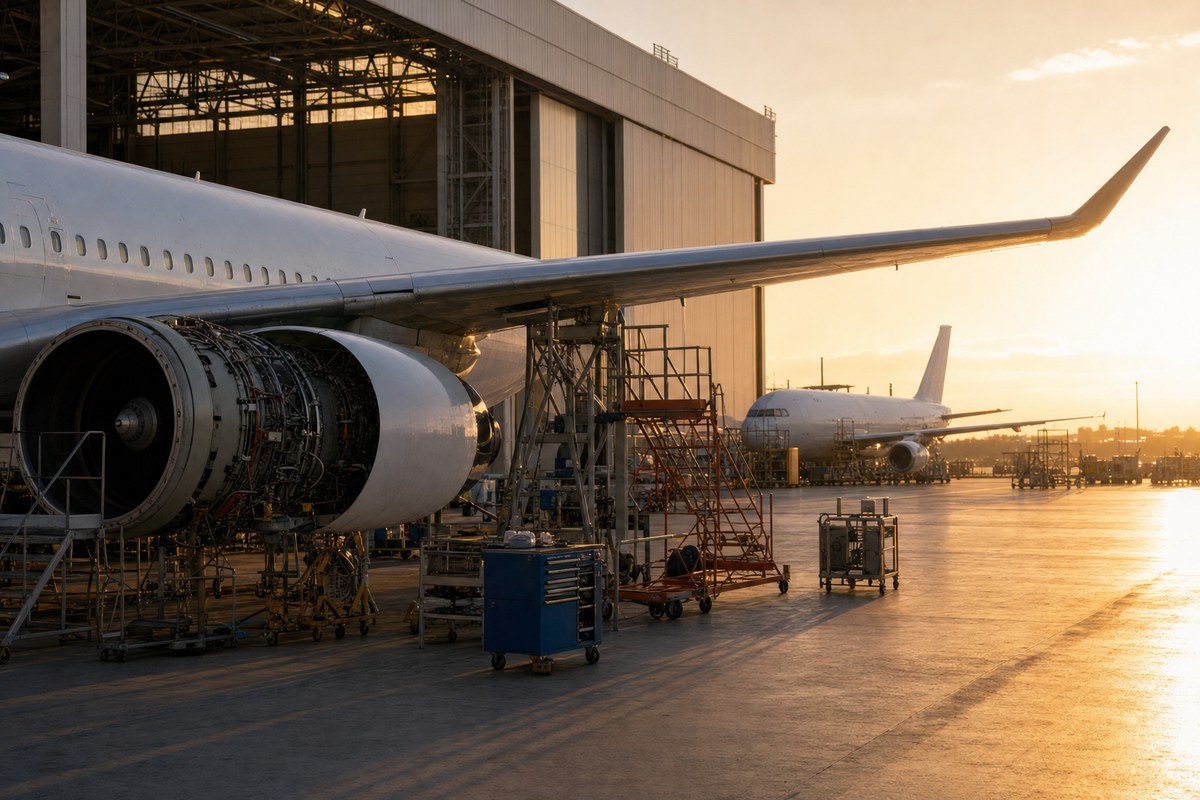
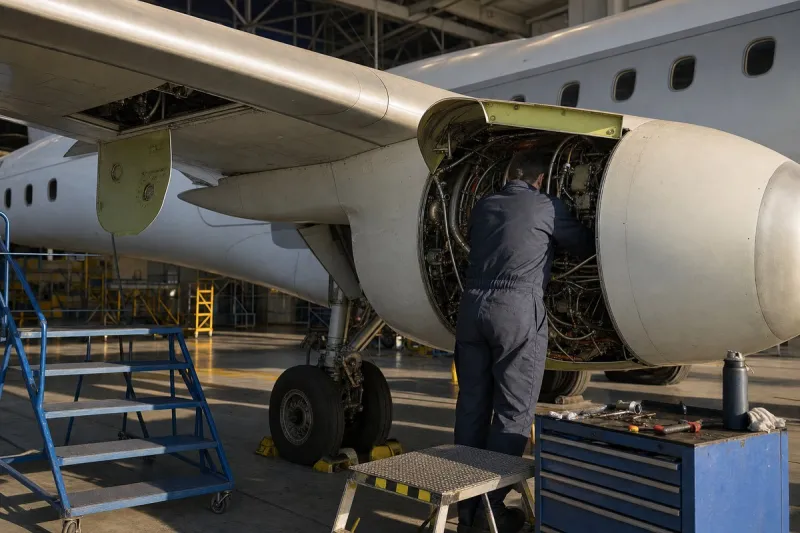
Doyle spoke at Aviation Week's MRO Europe conference and exhibition in Amsterdam. He said multiple steps, some not yet decided, must be completed before Lufthansa Technik can begin taking control of TAP Maintenance and Engineering.
Closing the deal is only the first step and could take 18-24 months. Lufthansa is acquiring an initial 44.9% stake in TAP, so even after closing the companies will not be able to coordinate their business activities. "That means working together is essentially limited," Doyle said. Full integration would require Lufthansa to take a majority stake or ultimately acquire all of the Portuguese carrier. In the immediate future, he said, "We will still continue to meet TAP in the market."
Where the two MRO businesses overlap
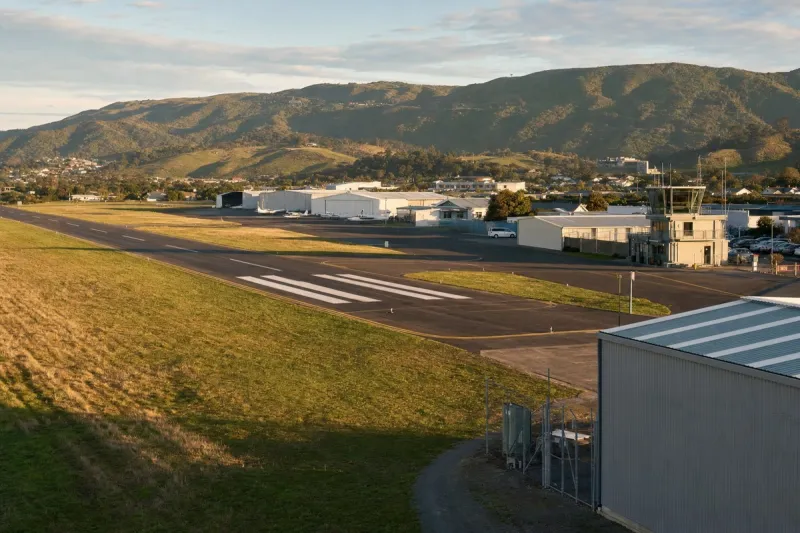
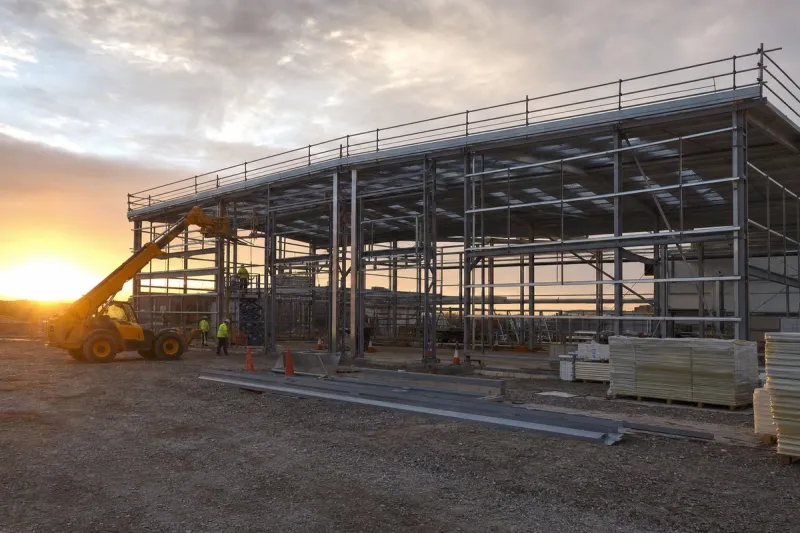
Doyle called the announcement that Lufthansa beat out rivals for the stake "a very important first step." One potential area of cooperation is Porto, Portugal. Lufthansa Technik is building a facility in Santa Maria da Feira, close to Porto, specializing in engine parts and aircraft components, due to begin operations in 2028.
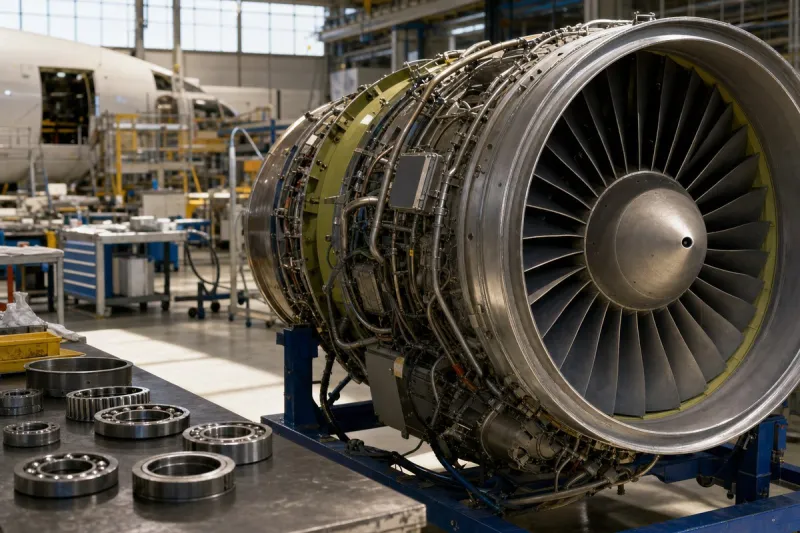
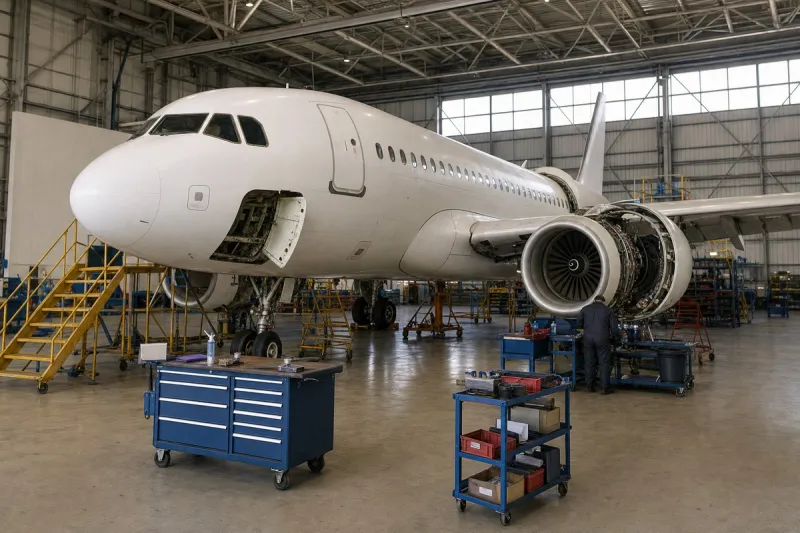
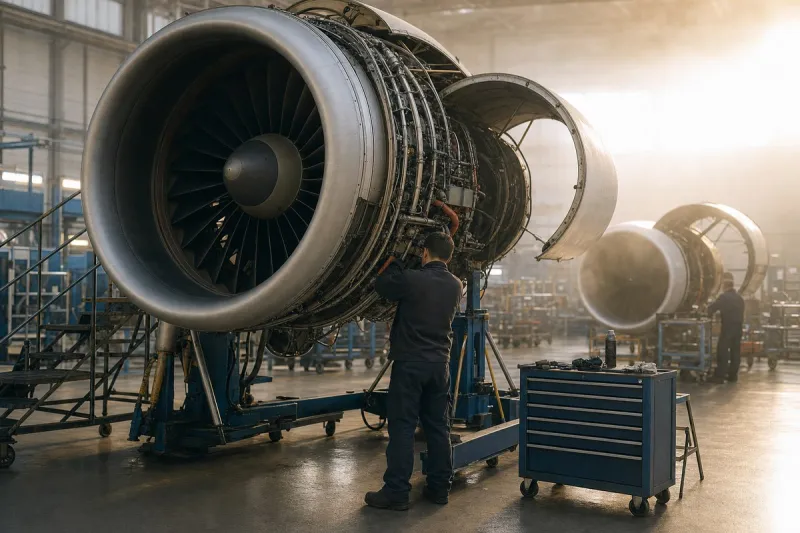
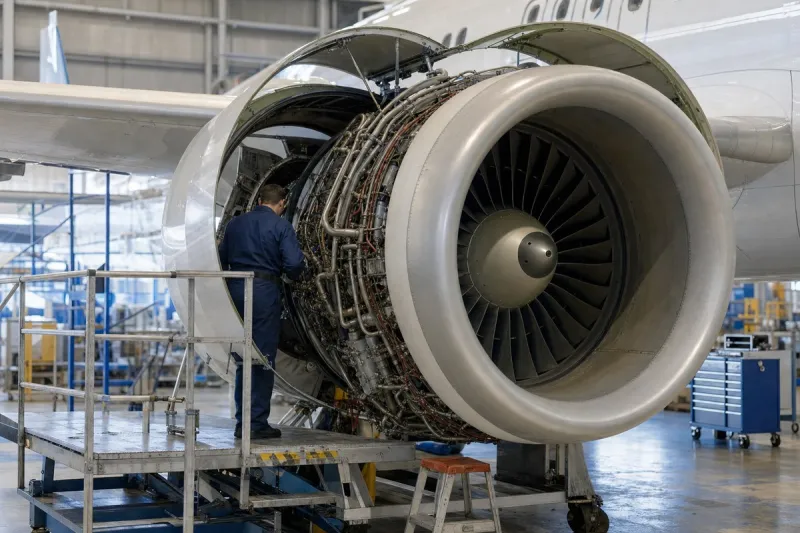
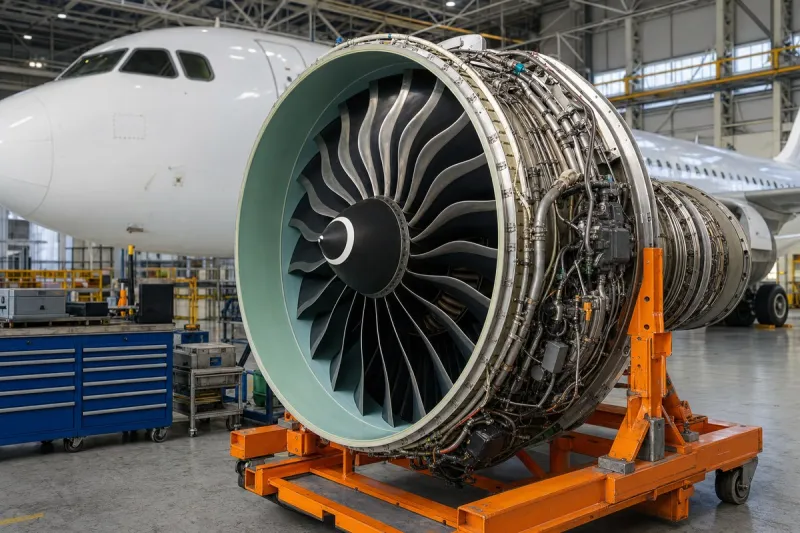
TAP operates a CFM International CFM56 and Leap engine maintenance operation in Lisbon. "We think [the companies] are actually complementary in terms of the capabilities that they have," Doyle said.
Industry impact & what to watch
A sub-majority holding gives an airline group a seat at the table without the right to direct how the target runs its business. Until the stake rises above that threshold, an MRO subsidiary on the acquirer's side competes for the target's maintenance work on the same terms as any outside shop, which is why Doyle describes the two companies as still meeting in the market.
The Porto facility and the Lisbon engine shop sit in different parts of the same country and handle different work, which supports Doyle's complementarity argument. How much of that overlap becomes shared work depends on steps he said are not yet decided.
The next milestone is the closing itself, which Doyle puts at 18-24 months out. Any move beyond 44.9% toward a majority would be the point at which Lufthansa Technik could begin taking control of TAP Maintenance and Engineering.