UK to Extend Higher Air Passenger Duty Rate to Private Jets of 5.7 Tonnes or More From April 2027
Why It MattersCharging duty per passenger on a weight threshold that reaches far lighter aircraft turns private-aviation tax exposure into a function of aircraft class, shifting costs across light-jet and charter segments.
What happened
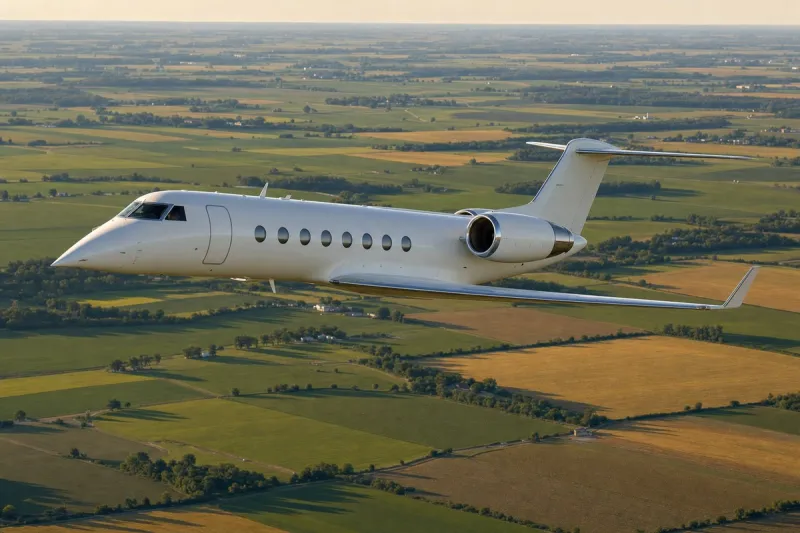
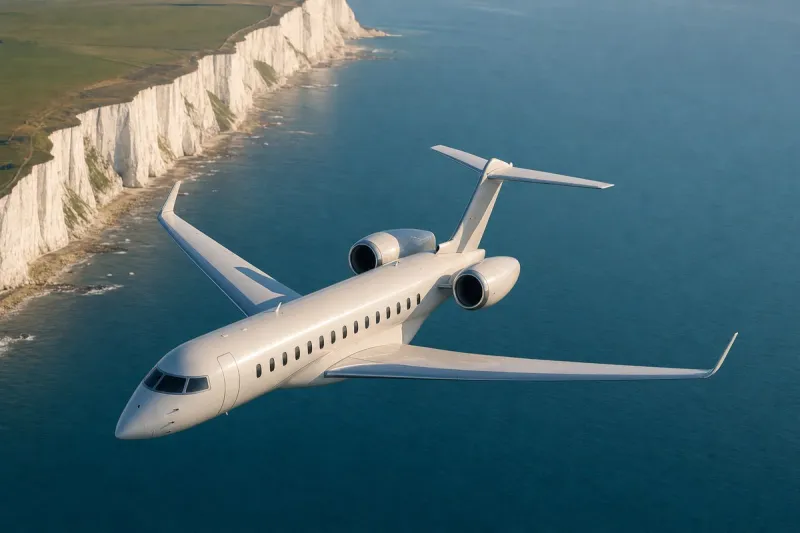
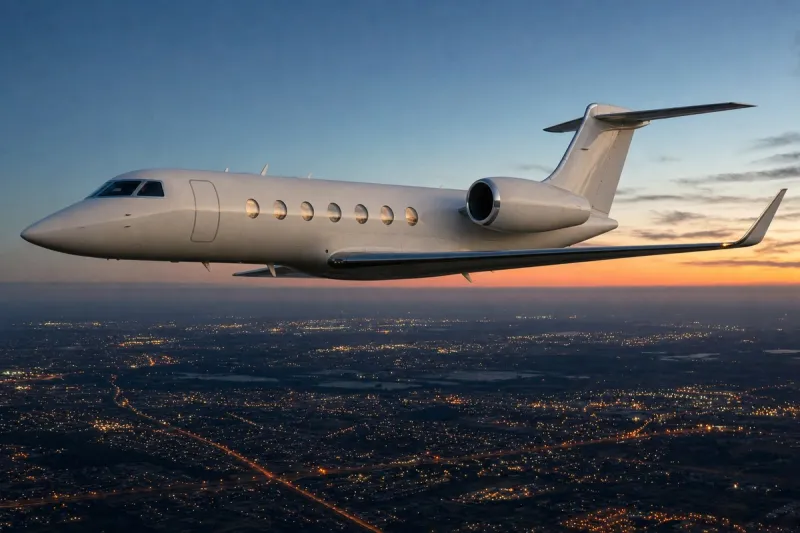
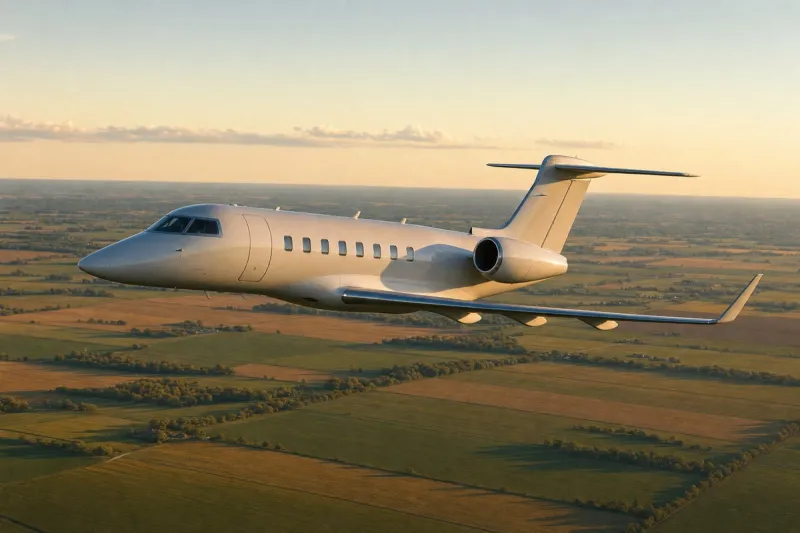
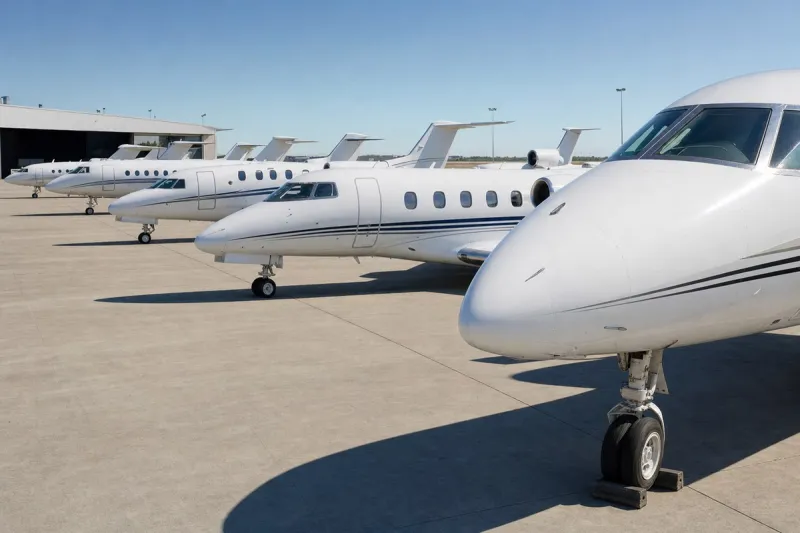
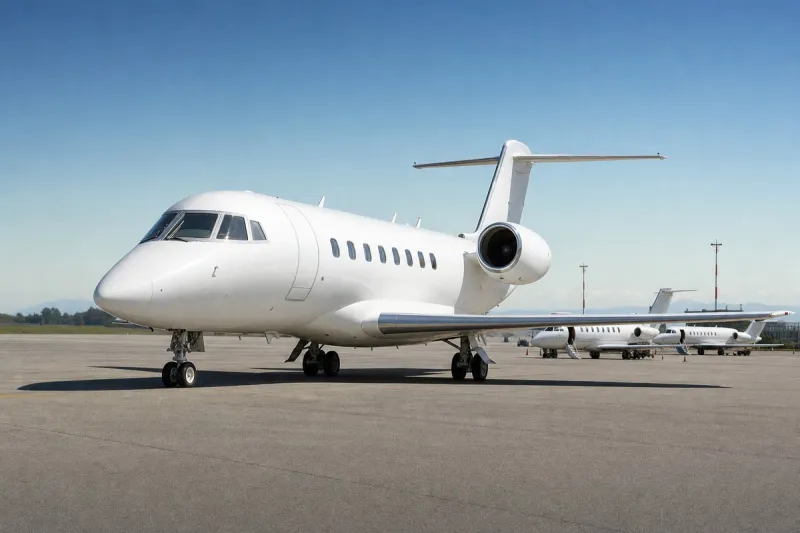
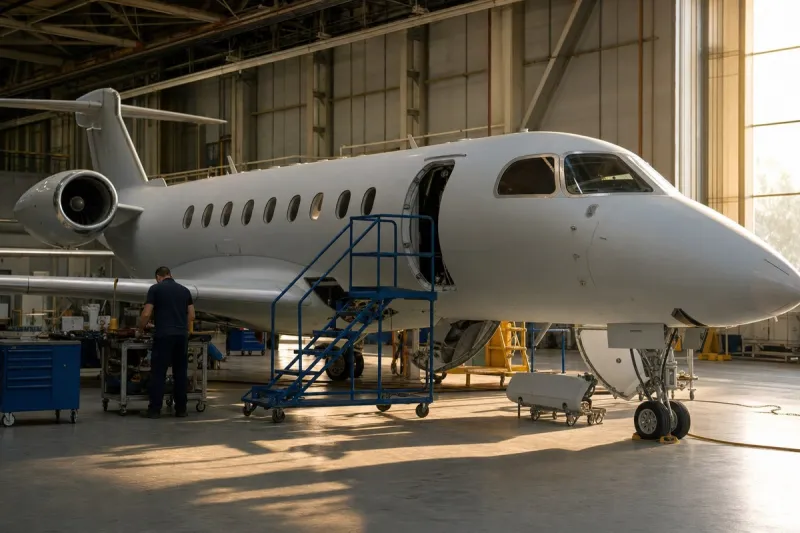
From 1 April 2027, the higher rate of UK Air Passenger Duty is due to apply to all aircraft of 5.7 tonnes or more used as a private or business jet. Until now the higher rate has covered only aircraft of 20 tonnes or more with fewer than 19 seats. HMRC lists the measure among the tax documents published with the Budget, under the item "Air Passenger Duty and private jets".
The underlying policy paper was published on 13 July 2026, with draft legislation open for comment until 7 September 2026. The change is to be legislated in Finance Bill 2026-27 and takes effect for passengers carried on or after 1 April 2027. The Budget was delivered on 28 October 2026.
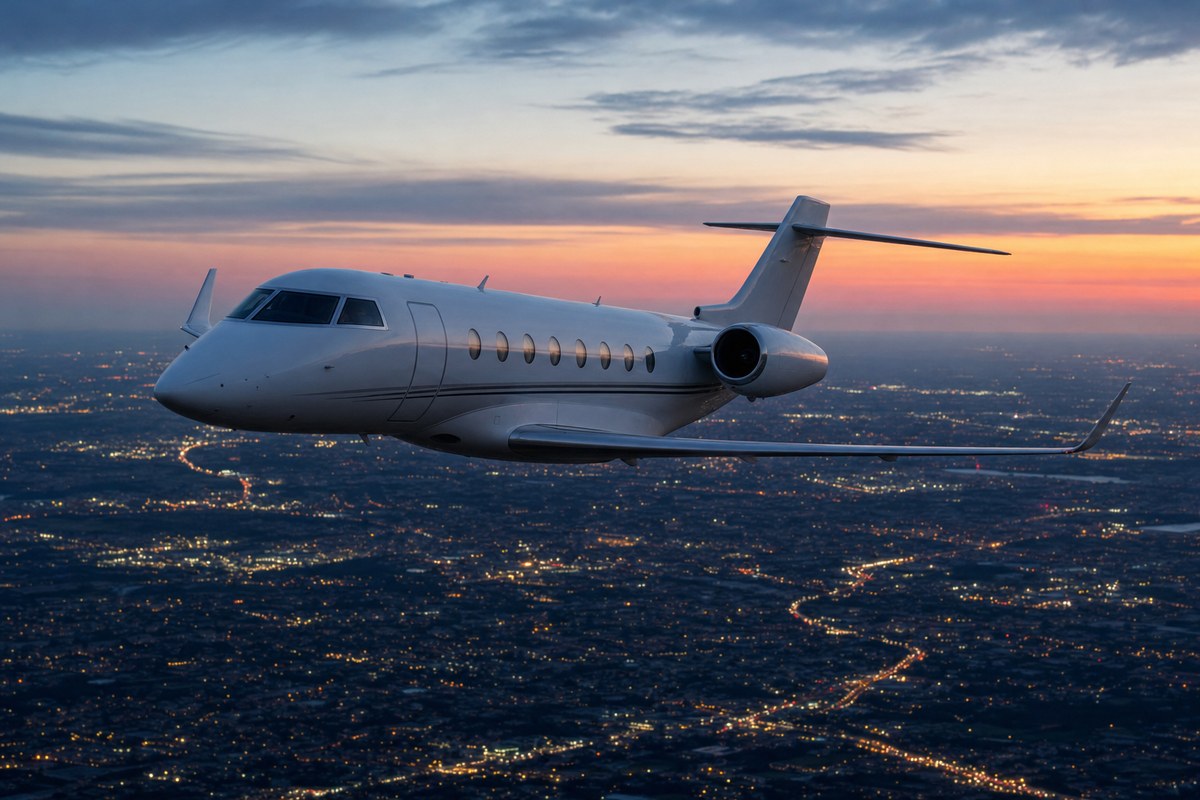
The draft does not define a business jet by seat count. A flight counts if the passenger negotiated the departure or arrival time or place, or if the flight is not a scheduled public flight, which describes private charter operations.
The higher rate for 2026-27 is £142 per passenger for UK and Band A flights, £1,097 for Band B and £1,141 for Band C and beyond. The draft rates for business jets from 1 April 2027 are £146.63, £1,132.76 and £1,178.20 respectively, and remain draft until the Finance Bill is passed. The duty is charged per passenger, not per aircraft.
The policy paper also states that the child exemption in section 31 of the Finance Act 1994 will not apply where a child's journey includes a business jet flight, so every passenger on board would be charged.
Industry impact & what to watch
Moving the trigger from aircraft of 20 tonnes with fewer than 19 seats down to 5.7 tonnes, and defining a business jet by how the flight was arranged instead of how many seats it has, brings a much wider slice of private aviation under the higher rate. A per-passenger charge also means the bill scales with the number of people on board, so the cost lands differently on a full cabin than on a single traveller.
Because the test looks at whether the passenger negotiated timing or place, or whether the flight is not a scheduled public service, charter activity sits squarely inside the definition. Pricing and quoting for UK departures will have to carry the duty as a visible, per-seat line, and the removal of the child exemption on these flights adds to the total for family travel.
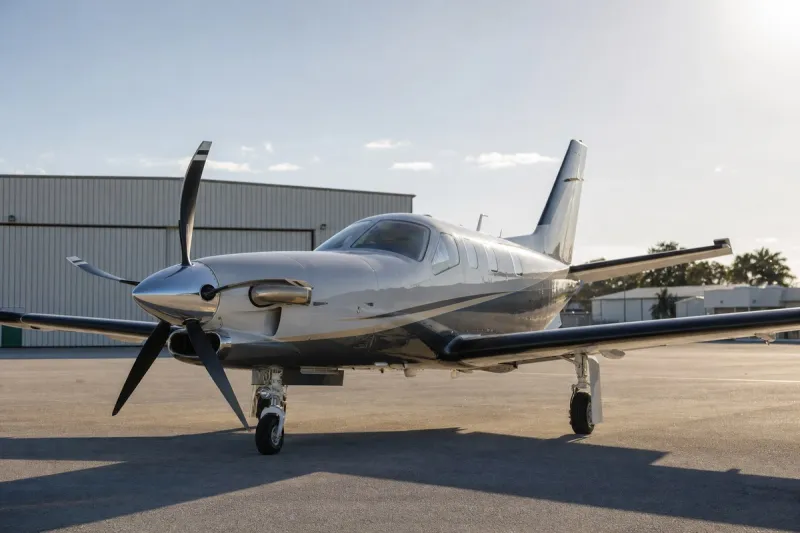
The rates for 2027 are drafts until the Finance Bill passes, and the comment window on the draft legislation closes on 7 September 2026. The treatment of turboprops and helicopters will become clearer once the Finance Bill text is published.