UK Consults on Extending Carbon Border Adjustment Mechanism to Petrol, Diesel and Jet Fuel
Why It MattersPricing the carbon content of imported fuels would close a gap between UK refiners, which carry domestic carbon costs, and overseas suppliers, shifting cost and compliance questions onto fuel importers and distributors.
What happened
The UK government has launched a consultation on extending its Carbon Border Adjustment Mechanism (CBAM) to selected refinery products, including petrol, diesel and jet fuel. HM Treasury and HM Revenue & Customs published the consultation on October 28. Responses are due by January 20, 2027.
The existing UK CBAM is scheduled to take effect on January 1, 2027, initially covering specified imports from five sectors: aluminium, cement, fertiliser, hydrogen, and iron and steel. The mechanism is designed to reduce carbon leakage, where emissions-intensive production shifts to jurisdictions with lower carbon costs.
The government says it wants to explore how charges on emissions associated with imported refined fuels could reduce the competitive disadvantage faced by domestic refineries operating under UK carbon pricing rules. The UK currently has four major refineries: Pembroke, Fawley, Stanlow and Humber. Officials are examining technical feasibility, trade implications and potential effects on fuel prices, as well as the risk of production moving overseas, the feasibility of monitoring emissions and possible effects on domestic supply chains. The expansion remains subject to consultation.
The consultation seeks input from UK and overseas producers, fuel importers, trade associations and downstream businesses. It examines how emissions could be attributed to individual refinery products, how default emissions values might be calculated and whether importers could reliably establish where fuels originated. The government is also considering how the existing CBAM methodology, including adjustments for free emissions allowances and qualifying overseas carbon prices, could be adapted to the refining sector.
Industry impact & what to watch
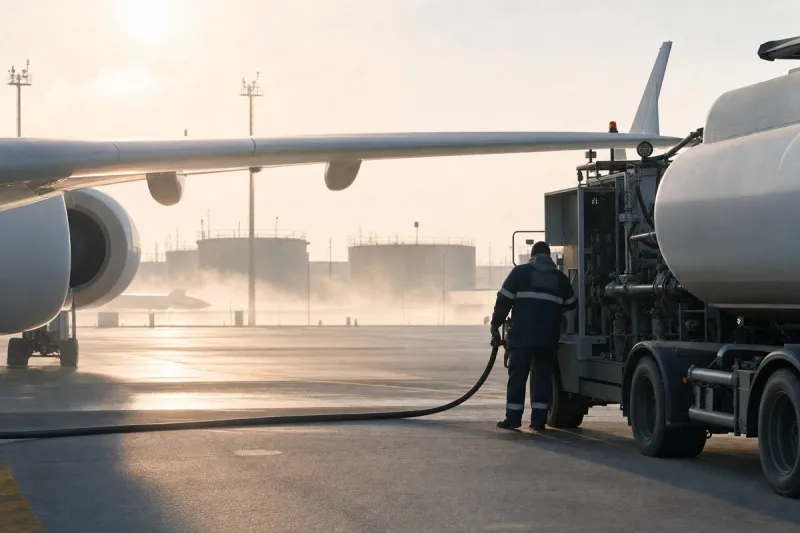
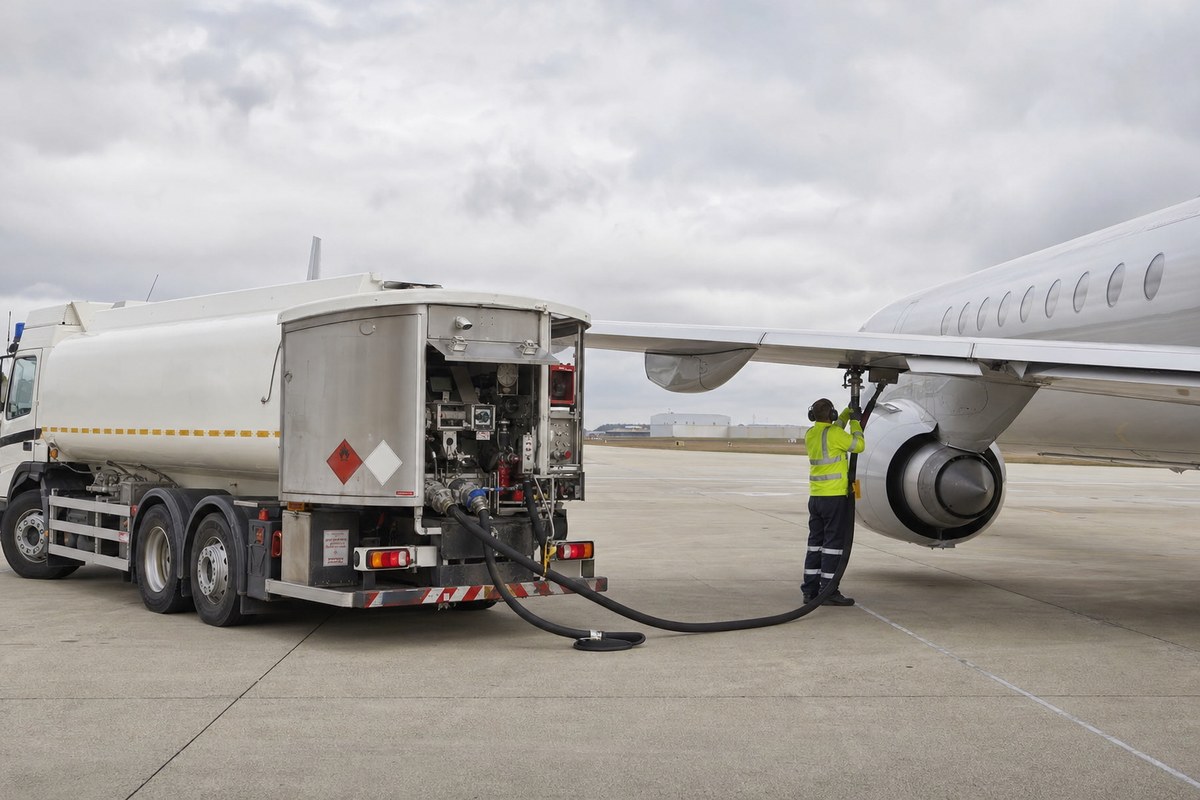
Jet fuel is among the products named, which places the proposal within reach of every business-aviation operator that buys fuel in the UK. A border charge on refined products works by putting imported fuel on a comparable carbon footing with fuel from UK refineries, which already operate under UK carbon pricing. Whether that narrows the gap depends on the design choices the consultation is testing.
The cost effect would not land evenly. The government itself says consumer impacts depend on policy design and on how far businesses absorb or pass on costs, so importers, distributors and transport operators sit at different points along a chain where charges could accumulate. For fuel buyers, the practical question is which products are ultimately included and at what point in the supply chain the obligation falls.
The difficult technical questions are also the ones the consultation puts first: attributing emissions to individual refinery products, setting default values, and establishing where a cargo of fuel originated. How the government answers those will determine whether the mechanism is workable for a fuel that moves through traders and blended supply. The next milestone is the January 20, 2027 response deadline, with the existing CBAM's January 1, 2027 start date arriving before it.