Surf Air Mobility Signs Five OperatorOS Agreements and a Wheels Up BrokerOS Contract Worth Up to $12 Million
Why It MattersSoftware platforms are becoming a revenue line for operators themselves, as an airline group sells its own operating system to smaller Part 135 competitors and brokers, tying them to its infrastructure.
What happened
Surf Air Mobility Inc. (NYSE: SRFM) gave a business update on SurfOS, its AI-enabled software operating system powered by Palantir Technologies (NASDAQ: PLTR). The company signed five OperatorOS definitive agreements with small and mid-sized Part 135 operators: Sprintbach Aviation, SkyDance Air, Air Fuga, Clipper Aviation and Flying Zebra. Surf Air Mobility will earn a percentage of revenue for all trips managed through OperatorOS and is working to implement these operators.

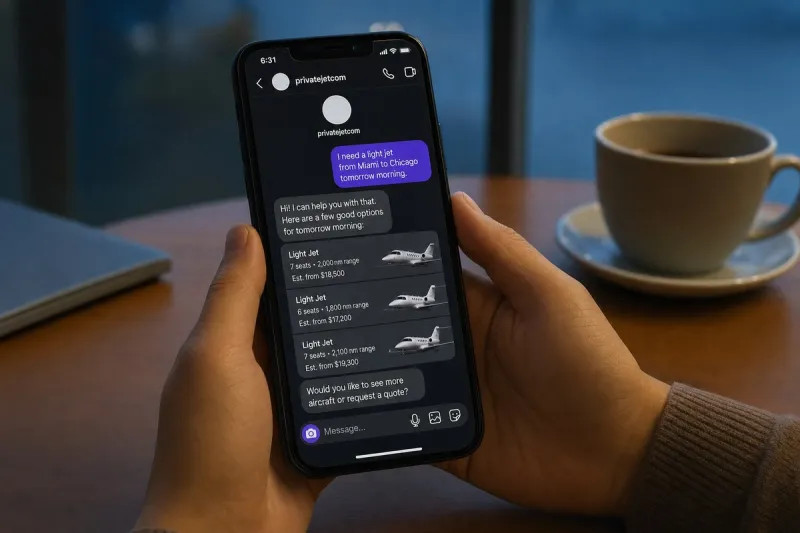
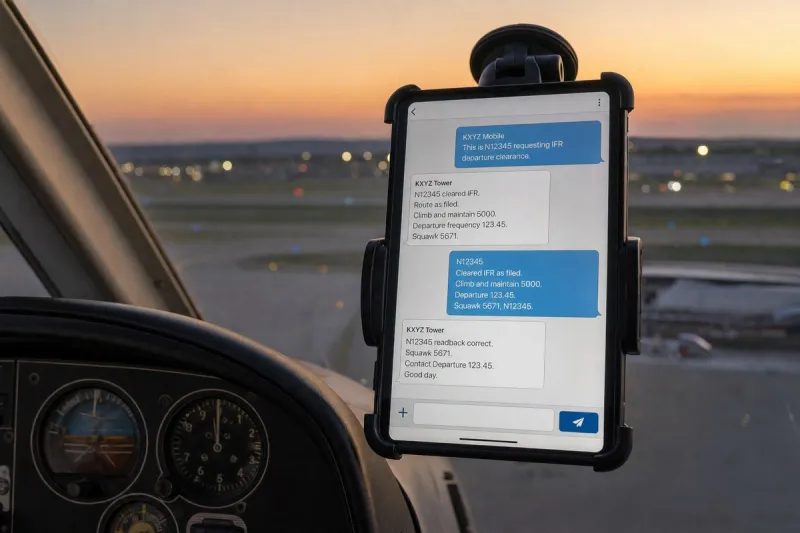
OperatorOS received FAA authorization as a system of record, allowing the company's airline to use electronic signatures, records and manuals in place of paper. The company also signed a multi-year Enterprise BrokerOS contract with Wheels Up worth up to $12 million over the contract term. BrokerOS has been commercially live since December 2025, and in internal deployment it is helping the company's charter business achieve more bookings and faster quote-to-close time.
The company said it has built an active enterprise pipeline of large operators, brokerages and aircraft manufacturers that it believes could be worth tens of millions of dollars in annual revenue. It expanded its Palantir partnership, adding dedicated engineering and go-to-market resources. Under an exclusive teaming agreement, Palantir co-sells SurfOS to enterprise prospects, and its forward-deployed engineers support enterprise sales and implementation. Former Palantir executive Barrett Brown was appointed President of SurfOS to lead go-to-market, strategy and commercial expansion.
SurfOS-enabled efficiency gains in the company's airline operations include a 6% reduction in direct operating cost per block hour year to date in 2026. New software modules include automated pilot pay, crew reserves, fuel optimization, CRM functionality in BrokerOS, BrokerOS mobile iOS and Android apps, and a travel agent portal supporting the Powered by Surf On Demand independent broker program, which continues to grow.
Where the company is headed next
Priorities for the fourth quarter of 2026 and into 2027 start with onboarding OperatorOS customers and signing new operators from a network of more than 450 operator relationships. The company also plans to complete the Enterprise BrokerOS deployment at Wheels Up.
On the product side, the roadmap lists AI-enabled optimization modules such as dynamic pricing, automated crew scheduling and aircraft-on-ground recovery. Predictive maintenance workflows and aircraft manufacturer software are planned to support next-generation aircraft entering commercial service.
Industry impact & what to watch
The structure of the OperatorOS agreements is the notable part. Surf Air Mobility is not charging a flat licence fee to the five Part 135 operators; it takes a percentage of revenue on every trip managed through the system. That ties the software provider's income to the operator's flying volume, and it makes the platform a distribution and back-office layer rather than a one-off IT purchase. For small and mid-sized operators, the trade-off is giving up a share of each trip's revenue in exchange for tooling they would otherwise struggle to build or fund themselves.
The Wheels Up contract points the same way on the brokerage side. A multi-year deal worth up to $12 million shows a large charter and fractional player buying booking and quoting software from a company that also competes in charter. Because Surf Air Mobility runs its own airline and charter business on the same stack, it can cite its own operating numbers, including the 6% reduction in direct operating cost per block hour, as proof of concept. Whether a customer that competes with its software vendor is comfortable running core workflows on that vendor's platform is a question each enterprise buyer will have to settle for itself.
The next dated markers are the ones the company itself names: the fourth-quarter onboarding of the five operators, completion of the Wheels Up deployment, and the release of the dynamic pricing, crew scheduling and aircraft-on-ground recovery modules. Conversion of the enterprise pipeline into signed contracts will show whether the Palantir teaming agreement widens the customer base beyond small operators.