FAA to Deploy Text-Based Mobile IFR Departure Clearances for General Aviation in Early 2027
Why It MattersThe program carries a capability once limited to data-radio-equipped airliners to general aviation through personal devices, so an IFR clearance becomes an app transaction instead of a voice exchange with the tower.
What happened
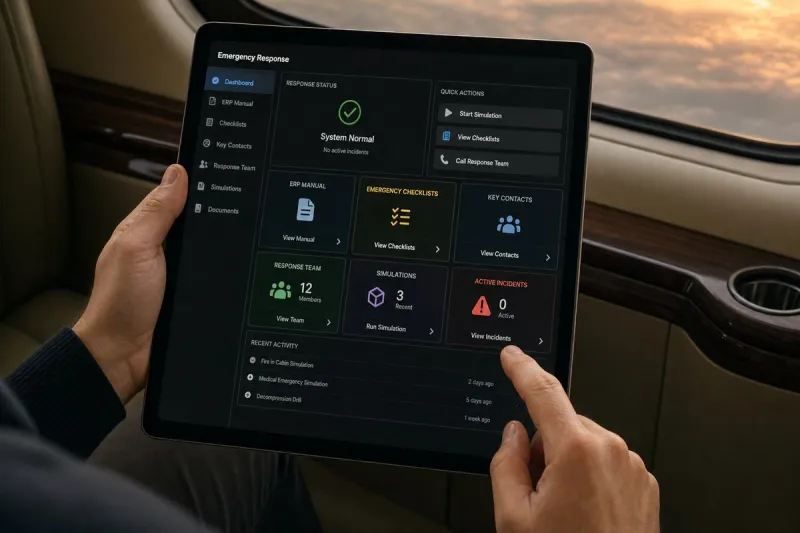
The FAA plans to deploy a mobile clearance capability in early 2027 that lets general aviation (GA) pilots request and receive instrument flight rules (IFR) departure clearances from an airport by text rather than by voice contact with the tower. Mobile Clearance mimics the Controller Pilot Data Link Communication-Departure Clearance (CPDLC-DCL) capability used in commercial airliners equipped with VHF data radios, but GA pilots can reach it through personal devices over the internet. The ground-based capability will be available through app providers ForeFlight and Garmin.
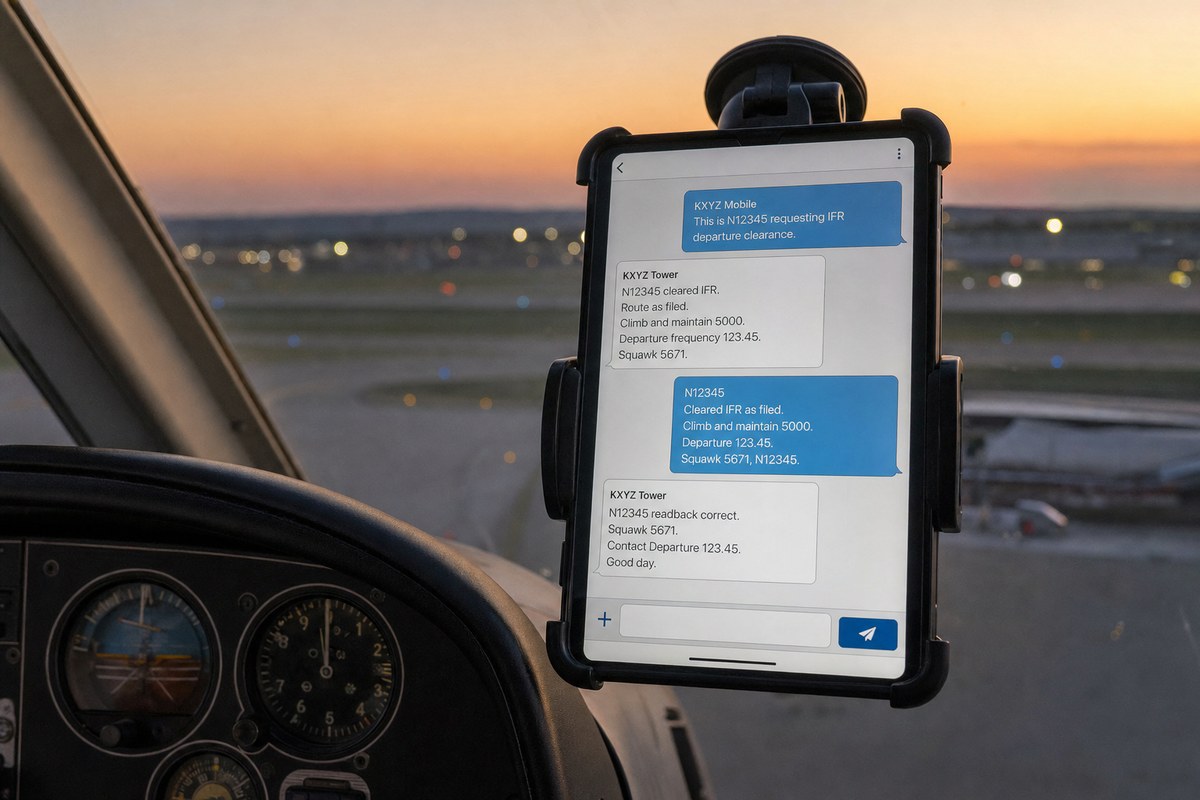
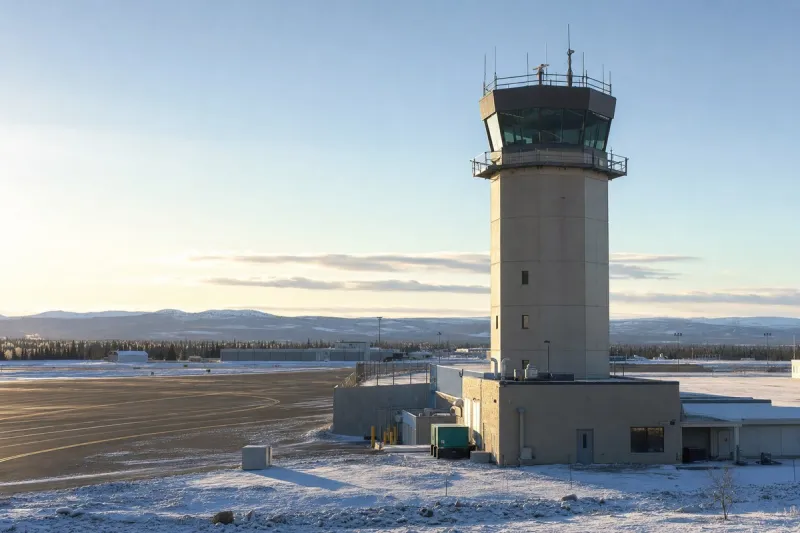
The program, years in development, is in an operational evaluation stage expected to run to the end of 2026, FAA program executives said Oct. 21 at the NBAA-BACE conference in Las Vegas. The evaluation has expanded to Appleton International Airport (ATW) in Wisconsin and New Century AirCenter (IXD) in Kansas, and pilots have been able to request IFR departure clearances through the ForeFlight and Garmin flight-plan apps during this period.
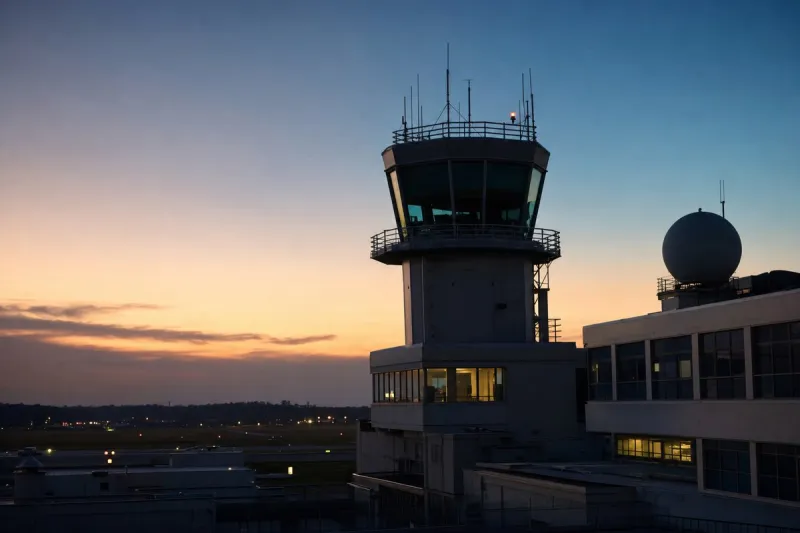
FAA Mobile Technologies program manager Jillian Cheng said the system is cloud-based and therefore highly scalable, and that the controller hardware installed in towers is lightweight: a 24-inch monitor, a mini PC, a keyboard, a mouse and an internet connection, all commercial off-the-shelf products. FAA Mobile Clearance technical lead Paul Diffenderfer said the controller interface is a web page served from the cloud, with facility-specific settings for each tower or approach control.
The FAA plans to deploy Mobile Clearance and IFR cancellation upon landing at select non-towered airports around the country. Controllers access flight-plan data from facilities nationwide through the agency's System Wide Information Management data-sharing backbone.
Industry impact & what to watch
Data-link departure clearances have so far belonged to aircraft with VHF data radios. Routing the same function through phones and tablets removes the avionics barrier for GA, since the pilot's flight-planning app becomes the channel. That ties a piece of air traffic control workflow to the two app ecosystems named in the program, ForeFlight and Garmin.
The tower-side design points to low deployment friction. A web page served from the cloud, running on commercial off-the-shelf hardware, means each facility needs a monitor, a mini PC, peripherals and a connection, with facility-specific settings handled in software. That is a different cost profile from systems that need dedicated radio infrastructure at every site.
The milestone to follow is the end of the operational evaluation at the end of 2026, which precedes the early 2027 deployment. Which non-towered airports are selected for Mobile Clearance and IFR cancellation upon landing will show how far the capability reaches beyond the evaluation sites at Appleton and New Century AirCenter.