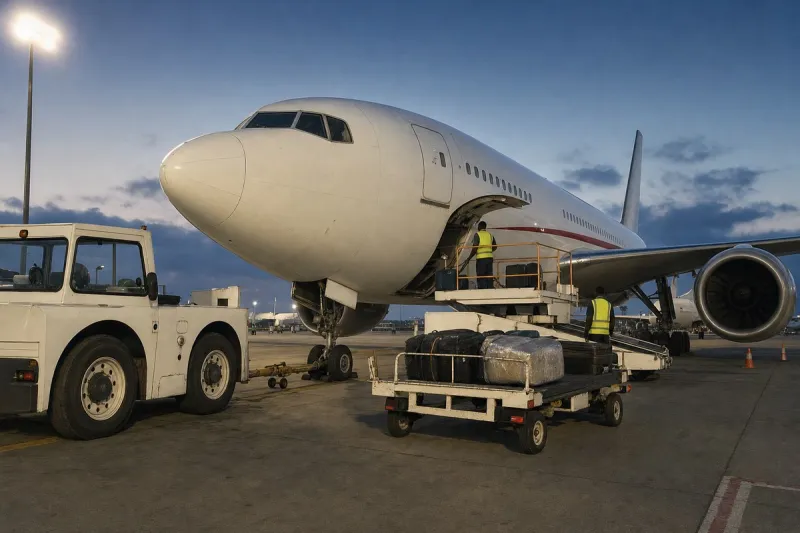
KazMunayGas and Exolum Sign Agreement to Develop Aviation Fuel Infrastructure at Kazakhstan's Airports
Why It MattersAirport fuel supply is a capital-heavy, quality-regulated service, and pairing a state energy company with a foreign infrastructure specialist is one route for markets seeking investment and operating know-how in that layer.
What happened
KazMunayGas (KMG), Kazakhstan's national oil and gas company, and aviation fuel infrastructure group Exolum have agreed to cooperate on developing and modernizing aviation fuel facilities across Kazakhstan. KMG's press service announced the agreement, as cited by Qazinform News Agency.

The cooperation was discussed at a meeting in Astana between KMG Management Board Chairman Askhat Khassenov and Ivan Muiño, Senior Vice President for Aviation at Exolum. After the meeting, KMG, KazMunayGas-Aero and Exolum Aviation signed a tripartite agreement setting out the key terms of their strategic cooperation. The document provides for bringing international investment, advanced technologies and industry expertise into aviation fuel infrastructure at airports across the country. For Exolum, entering the Kazakhstani market will be the first stage of its expansion into the E…
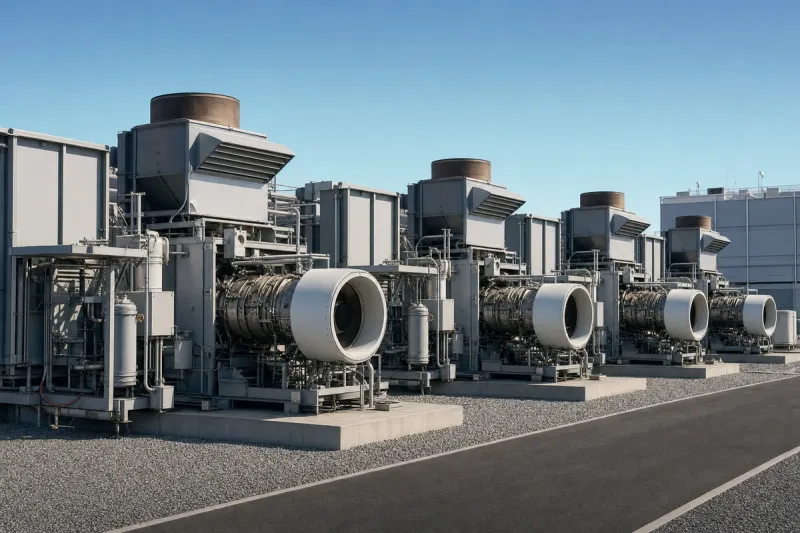
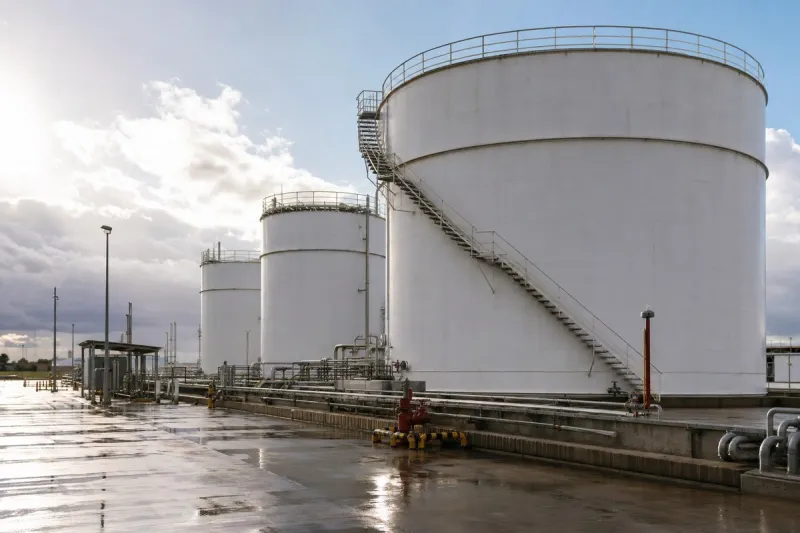
The sides are considering building aircraft refueling complexes and specialized aviation fuel storage facilities, as well as modernizing existing infrastructure. The new and upgraded facilities will be designed to handle Jet A-1 aviation fuel in line with Joint Inspection Group (JIG) requirements for quality, safety and operational standards. KMG will contribute its knowledge of the domestic market, coordinate engagement with aviation industry stakeholders and help identify and develop promising projects.
Khassenov said cooperation with a major international company in the sector will help accelerate technological modernization, introduce advanced fuel infrastructure management practices and create conditions for growth in international air transport through Kazakhstan. He also stressed the importance of transferring Exolum's expertise and technologies to Kazakhstani specialists and developing local workforce skills.
Industry impact & what to watch
Fuel supply sits at the base of every airport's operation. Aircraft cannot turn around without it, and the quality regime around Jet A-1 is strict, which is why the facilities are specified against JIG requirements. A project that combines a national oil and gas company's domestic reach with a foreign infrastructure operator's technology reflects a familiar division of labour in markets that want outside capital and management practice in airport fuelling: the local partner handles coordination with stakeholders and project identification, while the international partner brings engineering and operating experience.
Khassenov tied the agreement to growth in international air transport through Kazakhstan, and that is where the effects would show up for aviation users. Refueling complexes and storage capacity that meet international quality standards bear on the reliability of fuel supply for the carriers, charter operators and business aircraft that use the country's airports, though the agreement itself names no airports.
The next step is concrete and dated only loosely: the companies will carry out a comprehensive economic assessment in the coming period. Its findings will decide which specific projects go ahead, the investment volumes, how responsibilities are divided and the next stages of cooperation. Until that assessment is complete, the tripartite agreement is a framework for cooperation, not a committed build program.