US to Require Ebola Declaration From All Passengers on International Flights to the US From 3 November 2026
Why It MattersEbola entry controls are moving from targeted traveller screening to an operator-level documentation duty covering commercial, private and business aviation alike, which shifts compliance cost and record-keeping onto carriers on short notice.
What happened
The United States is introducing a mandatory Ebola-related declaration for passengers boarding flights to the country from overseas, as authorities tighten travel restrictions linked to the outbreak in the Democratic Republic of the Congo (DRC).

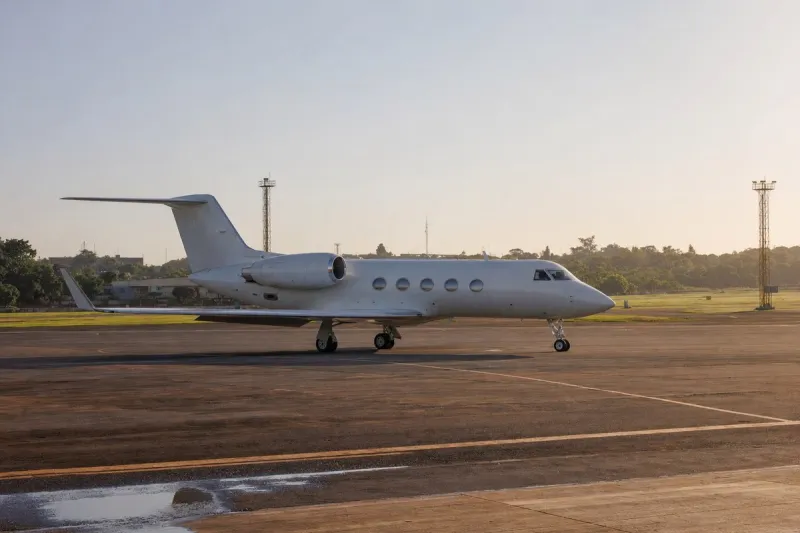
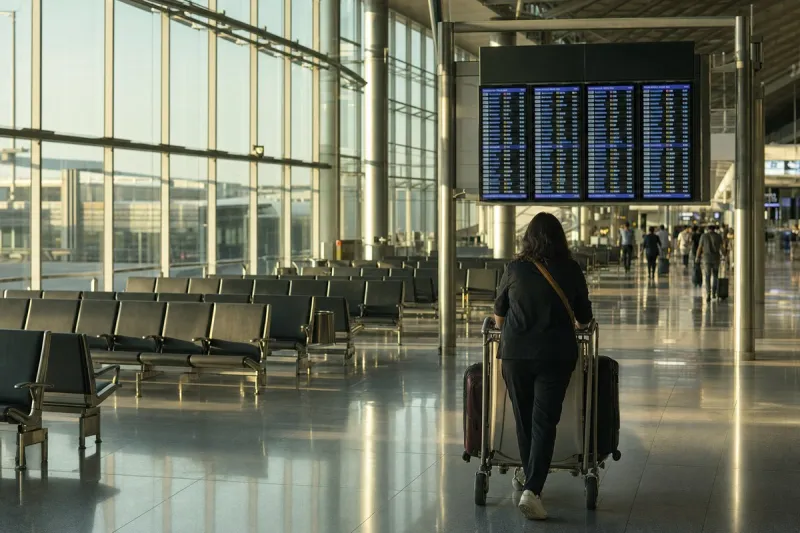
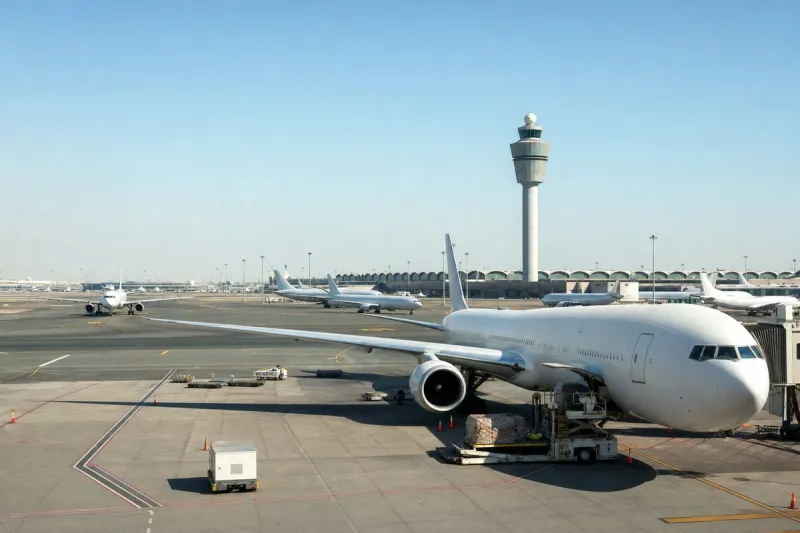
From 3 November 2026, airlines and other aircraft operators must obtain a declaration from every passenger confirming they have not been in the DRC during the 21 days before boarding. According to guidance the National Business Aviation Association (NBAA) published on 27 October, the requirement applies to flights departing from any foreign country for the US, including commercial services, private aviation and business aircraft. Passengers may submit the declaration electronically or on paper, and operators must retain the records for at least 42 days after the flight arrives in the US.
Travellers who have been in the DRC during the preceding 21 days will not be permitted to board US-bound flights under the new rules, including US citizens and nationals. The restriction also applies to passengers who transited through the DRC without leaving their aircraft, the NBAA noted.
Separate requirements remain in place for US citizens and nationals who have recently visited Uganda or South Sudan, but not the DRC. Those travellers must enter through one of three designated airports: Washington Dulles, Hartsfield-Jackson Atlanta or New York John F Kennedy. The NBAA said aircraft operators should prepare to collect declarations from all passengers on international flights to the US, regardless of departure country.
Industry reaction
The International Air Transport Association (IATA) and Airlines for America have urged the CDC to reconsider the measures, warning that the short implementation period could create significant operational and financial burdens.
Airlines for America said the changes would require extensive updates to check-in systems, staff training and airport procedures. Both groups called for a more proportionate approach.
Industry impact & what to watch
The rule places the verification burden on the operator rather than the border agency. A declaration has to be collected from every passenger on every US-bound international flight, whatever the departure country, and the records held for 42 days. For scheduled airlines that means changes to check-in systems and staff procedures; for private and business aircraft operators it means a paperwork step that did not previously exist on routine trips to the US, applied to every passenger regardless of where the flight departs.
The effects reach beyond the cabin. Travel insurers and assistance providers coordinating journeys to the US will need to account for the restrictions when arranging flights, including medical repatriations and other specialist transport. Because the ban on boarding covers US citizens and nationals and also applies to passengers who transited the DRC without leaving their aircraft, itineraries involving the DRC, even as a technical stop, become a boarding-eligibility question rather than a routing question.
The next milestone is 3 November 2026, the date operators must be ready to collect and retain declarations. Whether the CDC adjusts the measures in response to the IATA and Airlines for America request is the open point, and a change to the timetable or scope would come from that agency.