ATSB: Instructor's Repeated Prohibited Spins Led to Fatal Cessna 210N Crash Off South Australia
Why It MattersThe case shows how unreported deviations by a respected senior pilot can persist inside an operator's safety system, so formal reporting culture rather than aircraft limits determines whether intervention happens in time.
What happened
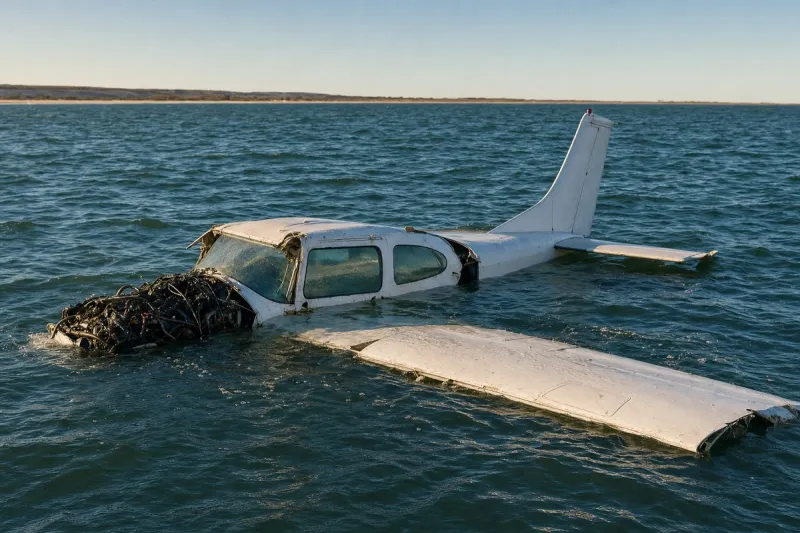
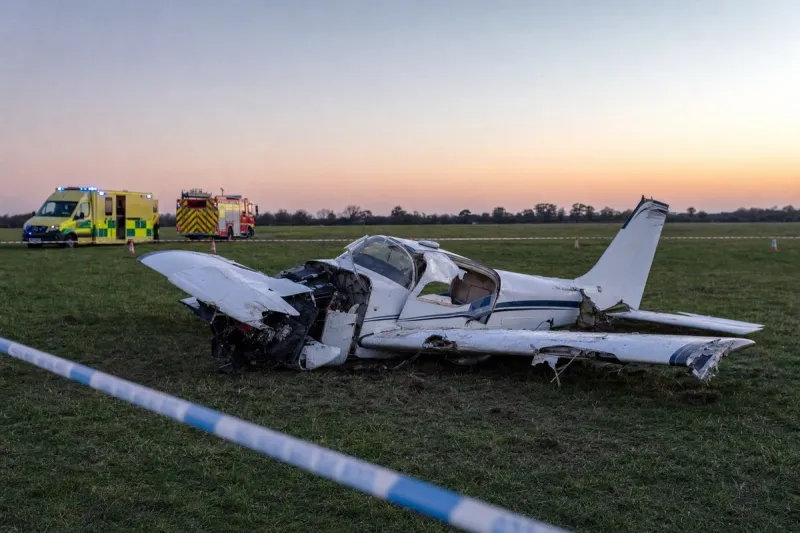
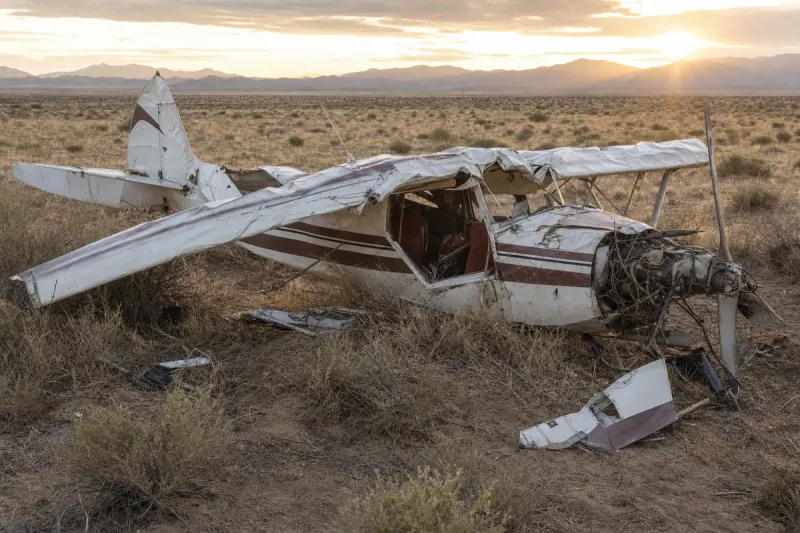
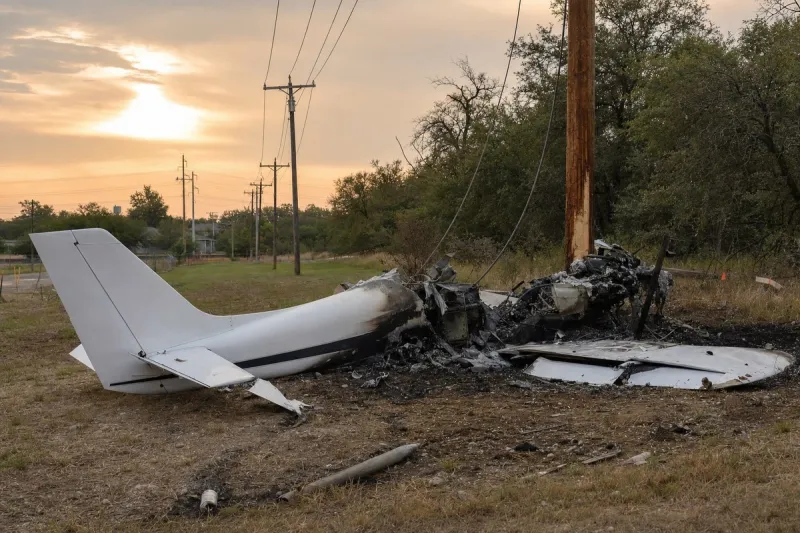
A Cessna 210N crashed into the water off South Australia on Feb. 6, 2026, during what investigators believe was an intentional spin exercise. The flight instructor, a commercial pilot and a passenger were killed. The Australian Transport Safety Bureau (ATSB) released its final report on Wednesday.

Investigators found the instructor had conducted prohibited spins on at least seven previous flights involving several aircraft, often as part of flights meant to familiarize pilots with the Cessna 210. The instructor reported more than 8,600 flight hours on their most recent aviation medical application, held endorsements for spin and aerobatic instruction, and had been teaching spins since 2009.
The instructor began demonstrating spins in the Cessna 210 in December 2025 at an entry altitude of about 4,500 feet. By January the entry altitude was roughly 3,500 feet, and a week before the accident the instructor performed one at 3,000 feet. Each earlier recovery occurred before the aircraft entered a fully developed spin, and the maneuvers typically consumed between 800 and 1,300 feet of altitude. ATSB Chief Commissioner Angus Mitchell said this likely gave the instructor the confidence to begin spins at progressively lower heights.
The Cessna 210 was not certified for intentional spins. It had been tested for recovery from an incipient spin, but its behavior in a fully developed spin was unknown. During the accident flight, investigators believe the commercial pilot with the instructor mishandled the initial recovery and the instructor did not intervene quickly enough. Video of the accident showed the aircraft's rotation slowing just before impact, suggesting recovery inputs were beginning to take effect, but too late. The ATSB concluded the aircraft probably could have recovered had the instructor kept the higher entry altitude.
What other pilots knew
The investigation also found that other pilots knew of the unauthorized maneuvers but none formally reported them to the aircraft operator or Australia's Civil Aviation Safety Authority. Some less-experienced pilots assumed the instructor's qualifications meant the exercises were permitted, while others were reluctant to challenge a far more experienced pilot.
The operator maintained a safety reporting system, but the spin activities were never brought to management's attention through it. The ATSB concluded a formal report could have prompted intervention before the fatal flight.
Industry impact & what to watch
The ATSB presents the progression as an example of normalization of deviance: repeated success with a departure from standards leads pilots to accept narrower safety margins, even though the aircraft's limitations stay exactly where they were. Here the margin shrank from about 4,500 feet to 3,000 feet over roughly two months, and every uneventful recovery made the next, lower attempt feel safer than it was.
The second lesson is about how safety systems fail at the human layer. A reporting system only works if the people who see a deviation use it, and the findings show two predictable blockers: junior pilots deferring to credentials, and peers reluctant to challenge someone far more experienced. In any operation built around a few highly experienced instructors, seniority can shield a deviation from the very scrutiny the system exists to provide.
For flight-training and operator oversight, the question that follows is whether regulators and operators respond to this report with changes to reporting channels, such as anonymous or third-party routes, rather than reiterating that spins in a non-spin-certified type are prohibited. The report's own conclusion points at that gap: the prohibition was clear, and what was missing was anyone formally saying so.