East Texas Airport Weighs $500 Self-Fueling Permit and 20-Cent Flowage Fee as Unleaded Avgas Plan Is Shelved
Why It MattersSmall federally obligated airports that sell fuel exclusively must still honour owners' self-fueling rights, so their fee design tests how far a single-supplier model can recoup lost fuel margin.
What happened
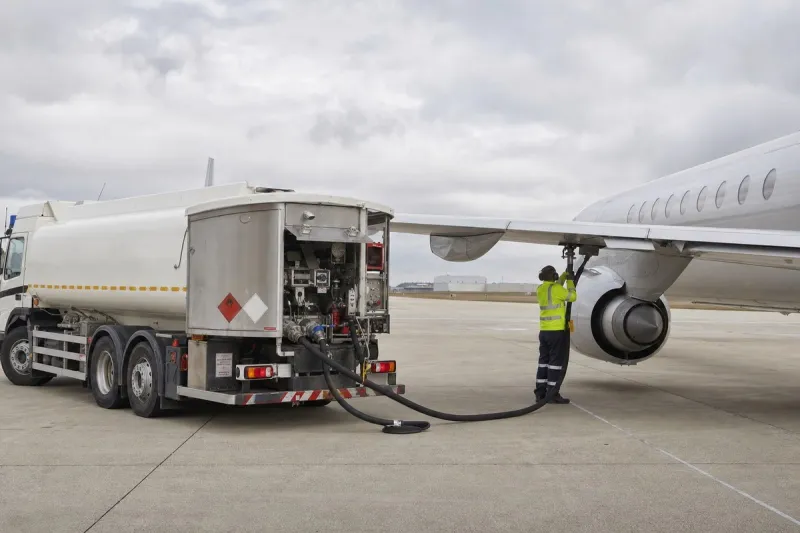
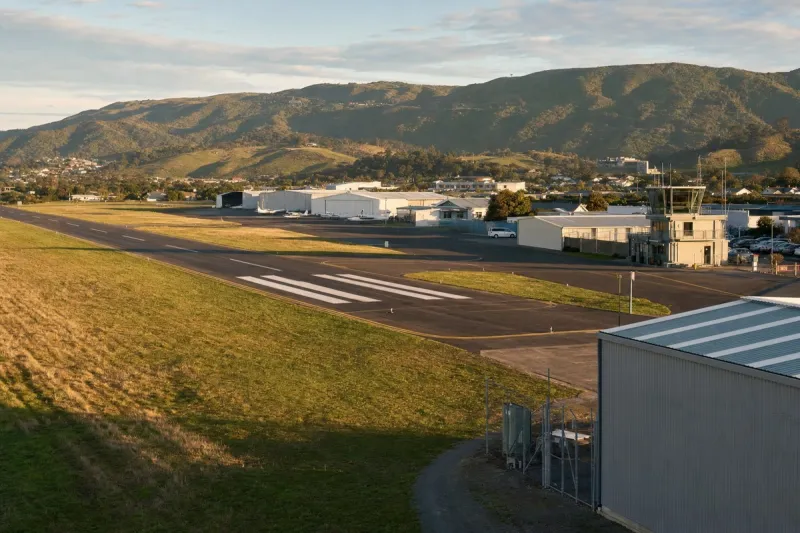
A.L. Mangham Jr. Regional Airport (OCH) in Nacogdoches, East Texas, a city-owned field, is considering a $500 annual permit and a 20-cent-per-gallon fuel-flowage fee for aircraft owners who bring fuel bought elsewhere onto airport property to fuel their own aircraft. The Nacogdoches Airport Advisory Board reviewed the proposed ordinance changes on Tuesday, Oct. 27, and asked for revisions after members raised concerns about the effect on individual aircraft owners.
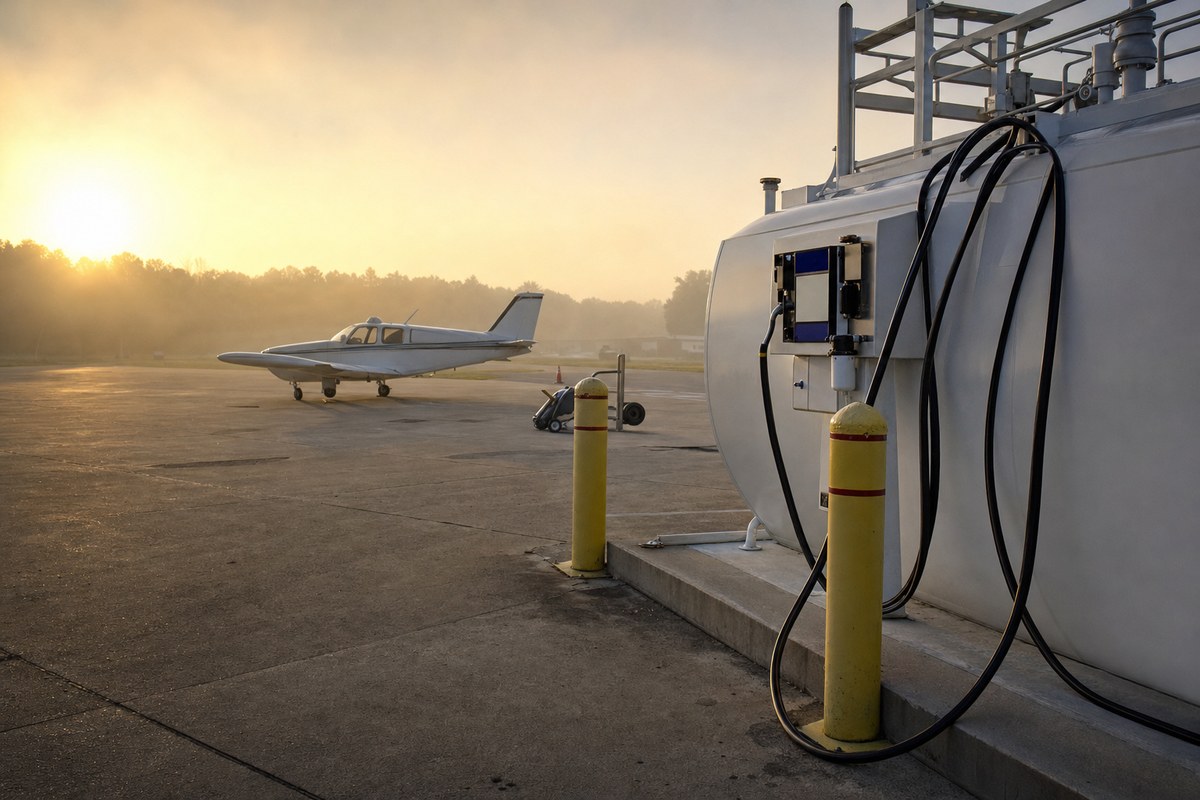
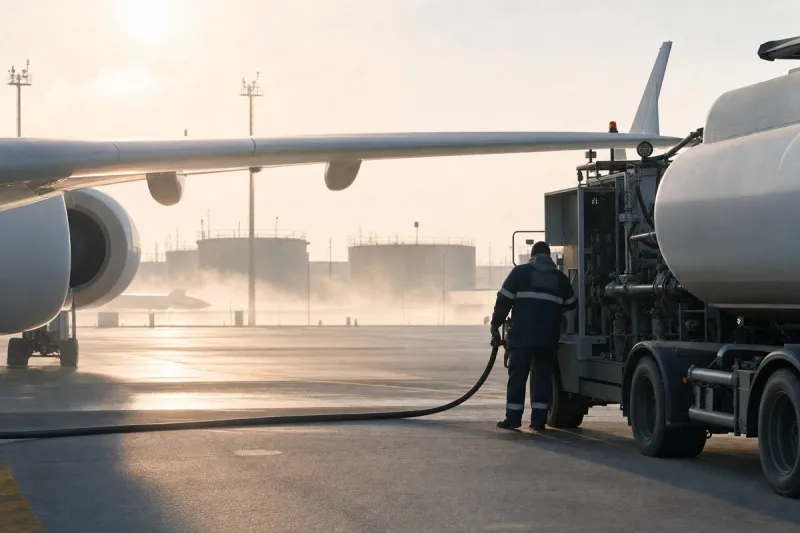
The proposal would amend the city's existing aviation regulations and master fee schedule. Applicants would also need at least $1 million in general liability insurance, would have to maintain fuel records, and would have to conduct fueling in designated areas. Purchases from the airport's existing self-service pumps would not be subject to the new charges.
Under the proposal, an owner bringing in 200 gallons a year would pay $540 in permit and flowage fees, equivalent to $2.70 per gallon before the cost of fuel and any insurance expense. Board members discussed whether the requirements could weigh disproportionately on pilots who bring small quantities, including owners of light-sport aircraft, whose tanks hold roughly 10 to 12 gallons, and of airplanes able to burn automotive gasoline (mogas). One board member said they did not want to overburden such pilots with fees that may be designed for a larger operation.
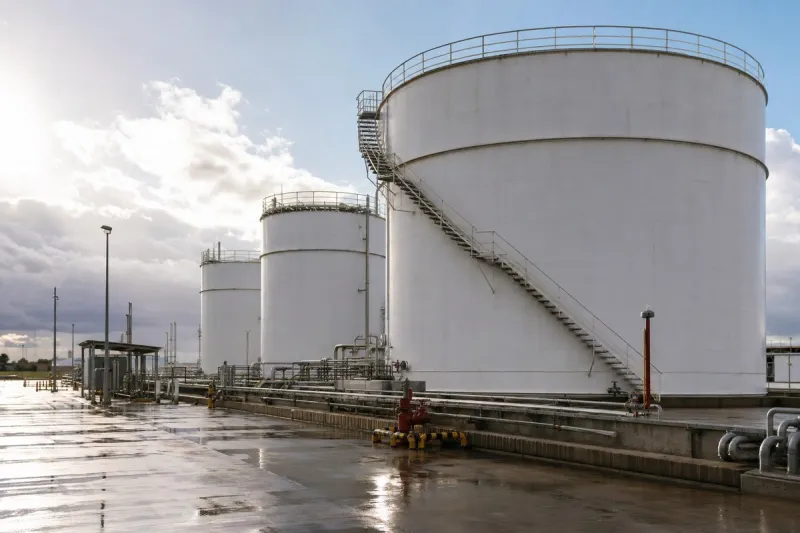
At the same meeting, airport officials said they had evaluated adding a third fuel storage tank to sell unleaded avgas, initially expecting a local flight school to be the main customer. Tank costs of approximately $230,000 to $270,000 were discussed, along with concerns about the expense and availability of unleaded fuel. Airport Manager Eric Forester said the investment did not currently make financial sense, and the city has shelved the project for now. The airport currently offers 24-hour self-service 100LL and Jet A fueling.
Mike New, the city's executive director of development and infrastructure, said the airport sells fuel exclusively but that the FAA requires it to allow self-fueling. The FAA's February 2026 compliance manual protects aircraft owners' self-fueling rights at federally obligated airports while allowing reasonable safety requirements, and it permits airports to assess the same fuel-flowage fees charged to commercial fuel providers. The advisory board has not endorsed a final fee structure.
Industry impact & what to watch
At an airport that is the sole fuel seller, every gallon an owner brings in from outside is a gallon the airport does not sell. A permit-plus-flowage structure is the usual way such fields try to recover that margin and pay for the oversight of fueling they do not control. The Nacogdoches numbers show where the arithmetic gets awkward: a flat $500 permit is a fixed cost, so the effective per-gallon charge climbs steeply as volume falls, which is exactly the point board members raised about light-sport and mogas pilots.
The FAA framework cited in the discussion sets the boundary. Owners keep the right to self-fuel at federally obligated airports, and airports may impose reasonable safety requirements and the same flowage fees commercial providers pay. Whether a fixed permit layered on top of a flowage fee, with a $1 million insurance floor, sits within that line is the question the city's revisions will have to answer, and it is one other small airports considering similar ordinances will be watching.
The shelved unleaded avgas tank points at a second, separate economic constraint. With a tank estimated at $230,000 to $270,000 and a flight school as the expected anchor customer, the project hinged on unleaded demand and supply that officials judged too uncertain to underwrite. The next concrete milestone is the revised ordinance the city staff bring back to the advisory board.