ALPA Renews Call for Mandatory ADS-B In After Ambrosi Reelected Union President
Why It MattersThe fight over integrated versus portable ADS-B In is becoming a fixed-equipment retrofit question for airline fleets, with the Senate and House bills pulling in different directions on what counts as compliant.
What happened
The Air Line Pilots Association (ALPA) renewed its call for mandatory ADS-B In equipment on commercial aircraft after Capt. Jason Ambrosi was reelected union president. The announcement came on Wednesday. ALPA named expanded cockpit traffic alerting and keeping two-pilot airline crews among its priorities for the coming years.
Ambrosi, a Delta Air Lines captain first elected in 2022, will begin a second four-year term. "We will finish the fight for ADS-B In and carry on our union's most solemn tradition, turning loss into lasting change," he said. The union also elected three other national officers during its board meeting in Washington. ALPA represents more than 80,000 pilots at 42 airlines in the United States and Canada.
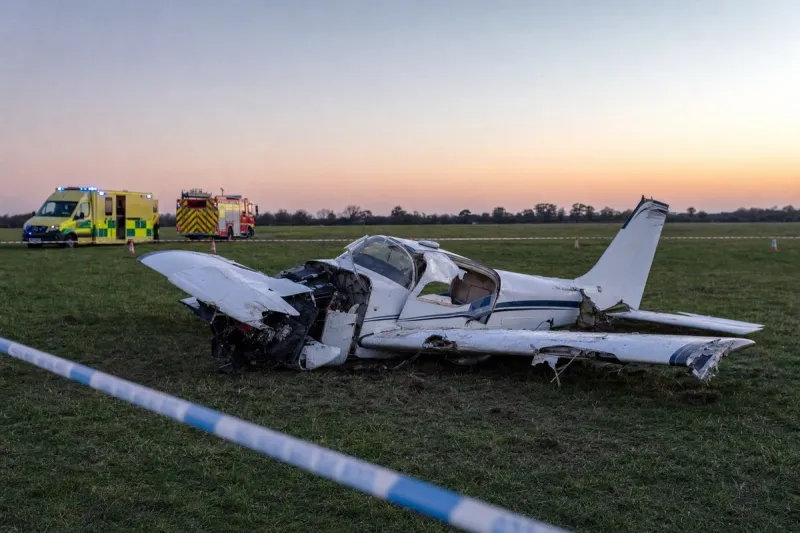
ALPA has advocated for ADS-B In systems integrated into flight deck displays, including aural and visual traffic alerts that supplement existing collision-avoidance systems. It stepped up the campaign after the January 2025 midair collision between PSA Airlines Flight 5342 and a U.S. Army Black Hawk helicopter near Washington, D.C., which killed 67 people.
The union supports the Senate's ROTOR Act and has opposed provisions in the House's ALERT Act that would allow portable ADS-B In equipment as an alternative to integrated systems. It has also called for military aircraft to transmit ADS-B Out nationwide, subject to appropriate security exemptions. Beyond ADS-B In, ALPA plans to keep opposing single-pilot airline operations and to press for consistent safety standards as new aircraft and operators enter the National Airspace System.
Industry impact & what to watch
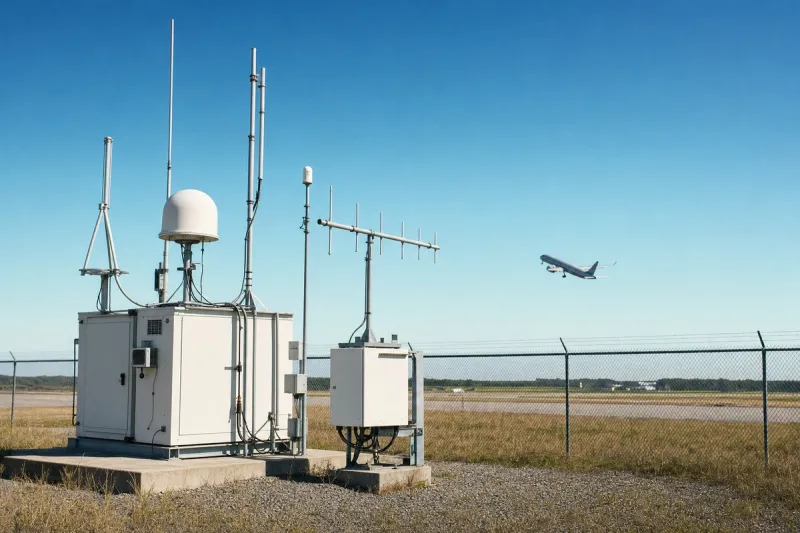
The substance of the dispute is narrower than the headline. Both bills point toward more ADS-B In on the flight deck; the disagreement is whether portable units can satisfy the requirement or whether equipment has to be integrated into the aircraft's displays and alerting logic. That distinction determines the cost and downtime of any mandate: a portable device is a procurement item, while an integrated installation is a certified modification that has to be scheduled into maintenance checks and avionics shop capacity.
ALPA's argument rests on a specific gap in current protection. TCAS resolution advisories are inhibited at low altitudes, which is where an approach-phase conflict like the one near Washington plays out, and the union's case is that integrated aural and visual alerts could fill that gap. Whether that case prevails depends on how the ROTOR Act and ALERT Act are reconciled, since the two chambers have written different answers to the integrated-versus-portable question.
The military ADS-B Out request is the other piece that affects how well any cockpit equipment would work: an In system can only display traffic that is transmitting. The next dated milestone is Ambrosi's second term, which begins in January and fixes the union's leadership while that legislative language is still being settled.