Suvarnabhumi Targets 6pm Reopening of Runway 02R After Repairs to Damaged Section
Why It MattersThe case shows that runway surface integrity is a hidden constraint on single-airport throughput, and that regulators are shifting inspection toward faster non-destructive methods applied first to higher-risk pavement areas.
What happened
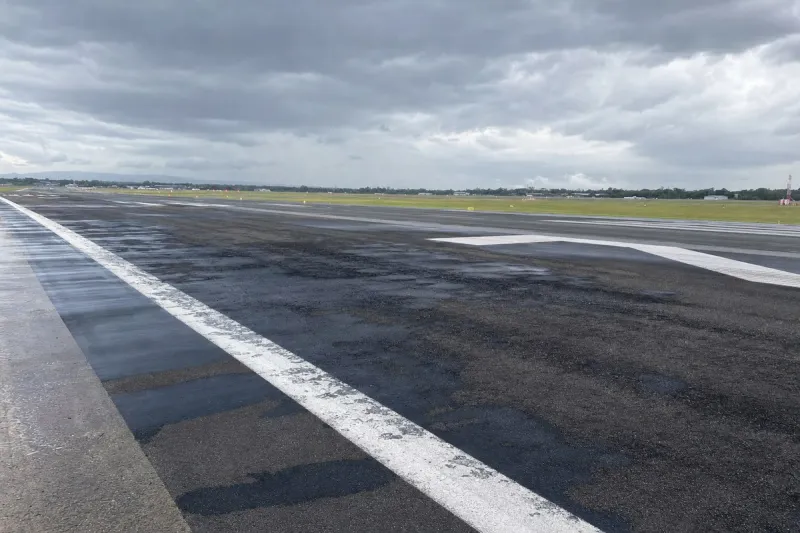
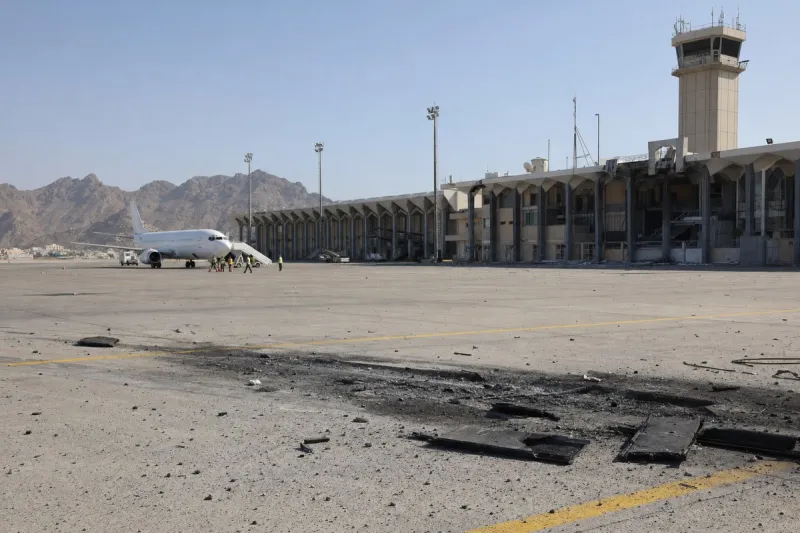
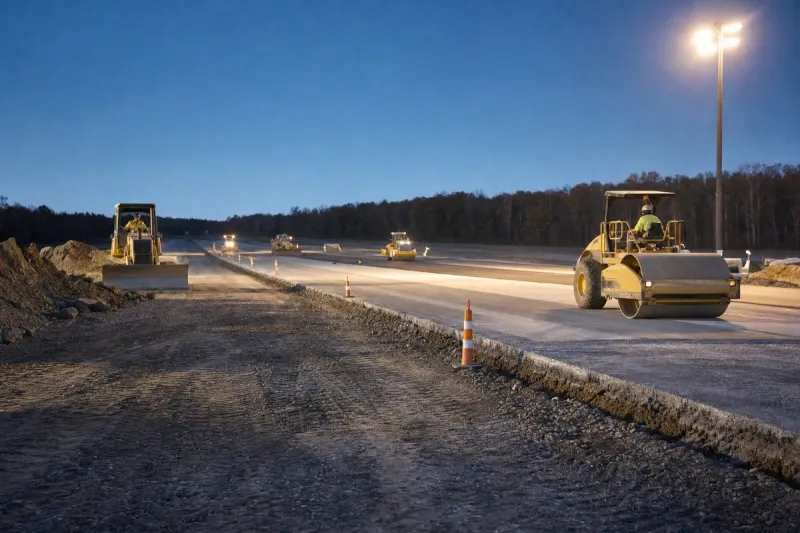
Suvarnabhumi Airport is preparing to reopen the damaged section of runway 02R at about 6pm on October 29, 2026, subject to surface-density checks on the repaired area. Deputy Prime Minister and Transport Minister Phiphat Ratchakitprakarn said the Civil Aviation Authority of Thailand (CAAT) had reported that repairs were complete at the affected section adjoining taxiway E21, and that checks were being accelerated before the area returns to service.
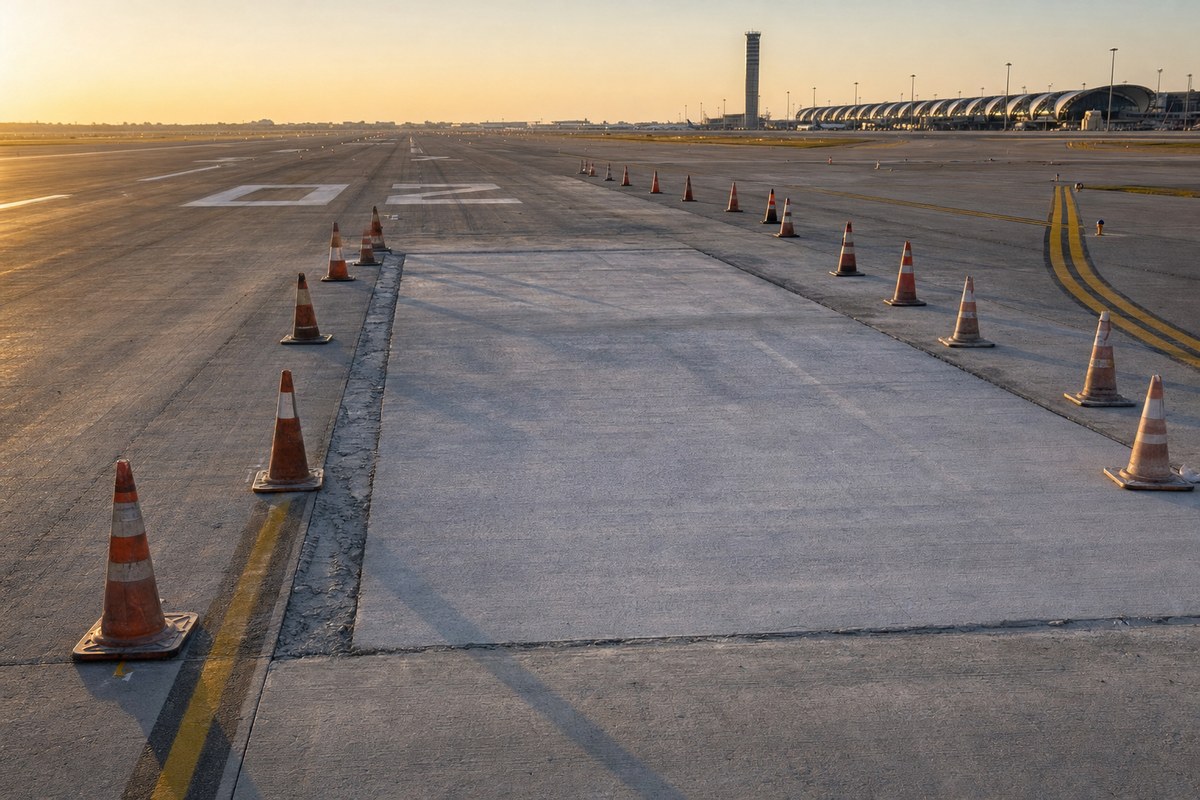
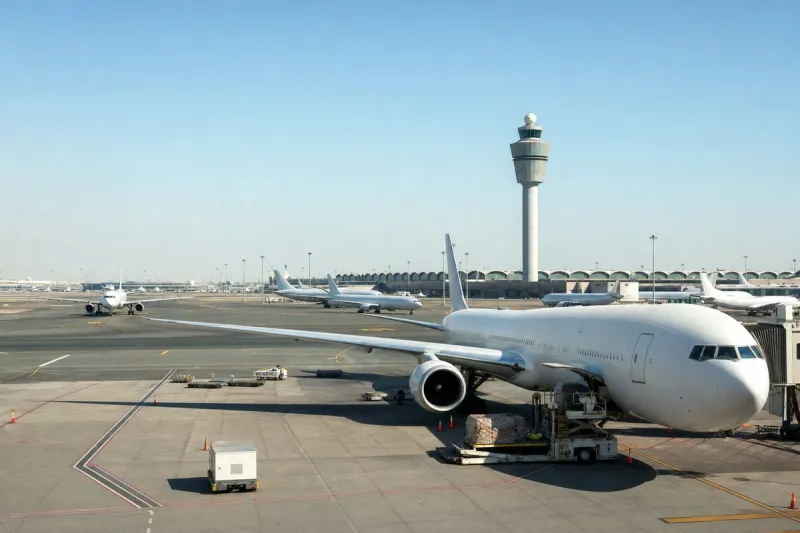
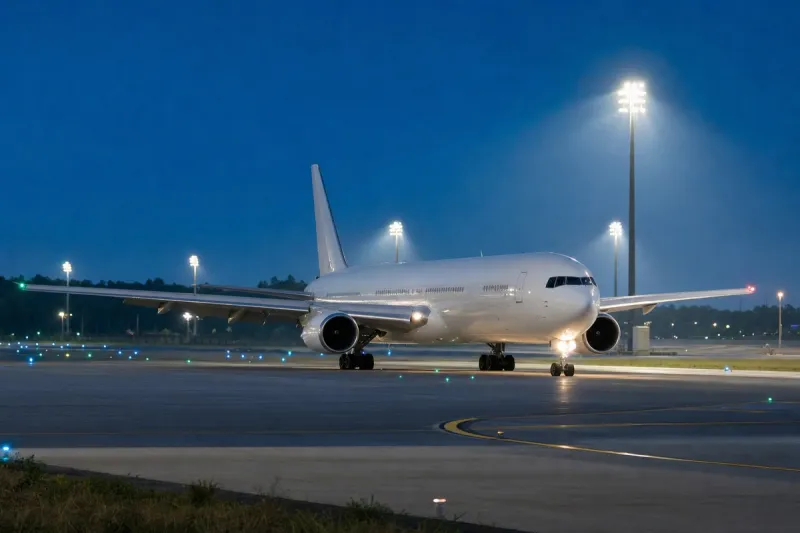
The repairs followed an incident at about 7.20pm on October 28, when China Airlines flight CAL840, a Boeing 737-800 preparing to depart for Kaohsiung International Airport in Taiwan, became stuck on runway 02R. The aircraft had used taxiway E21 to line up on the runway when its wheels sank into damaged, soft surfacing and it could not move forward for take-off.
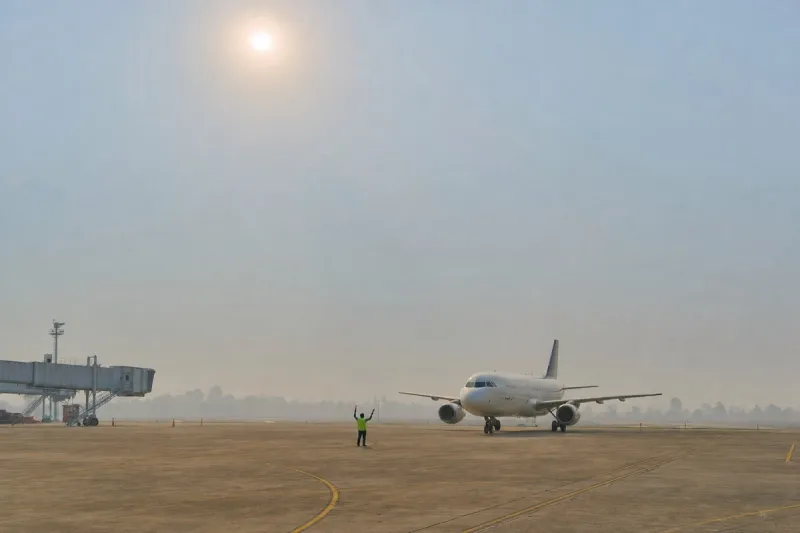
Four aircraft behind it were unable to proceed along the taxiway; pushback tugs moved them backwards one at a time so they could use alternative taxiways to reach runway 02L for departure. In total, five flights were delayed.
Phiphat said Airports of Thailand Public Company Limited (AOT) was reviewing the strength of the runway surface and investigating the incident, and that he had not yet received findings establishing the underlying cause. Although repairs are finished, the density of the repaired surface must be checked before the area reopens.
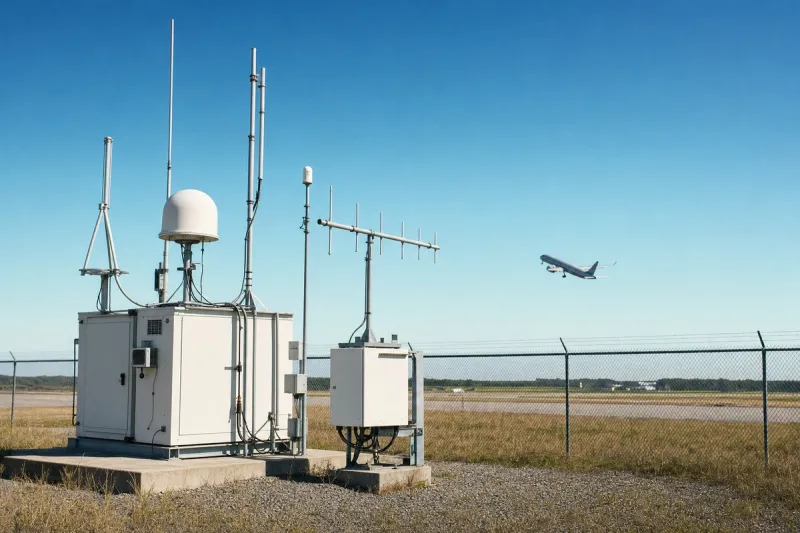
CAAT has instructed AOT to carry out comprehensive inspections of runway, taxiway and apron surfaces, particularly in higher-risk areas, to prevent a recurrence. The regulator also recommended using non-destructive inspection (NDI) equipment, which examines surfaces without destructive drilling and allows checks to be carried out more quickly and effectively.
Industry impact & what to watch
A pavement defect on one runway turns a single stuck aircraft into a taxiway blockage that affects every departure queued behind it. Airports with parallel runways can absorb that by rerouting to the second runway, as happened here with traffic moving to 02L, but the workaround costs time and ground-handling effort, and it depends on a second runway being available.
The regulator's emphasis on higher-risk areas and on non-destructive inspection points to how surface assurance is evolving: faster testing that does not require drilling lets airports check more pavement more often, and repairs can be verified without lengthy closures. Junctions where taxiways meet runways, like the E21 area here, concentrate wheel loads and turning movements, which is why they draw targeted attention.
The next milestones are the outcome of the density checks that gate the 6pm reopening, and the findings of the AOT investigation, which the minister said had not yet established an underlying cause.