Michael Bloomberg's Falcon 900LX N47EG Flies 25 nm From LaGuardia to Newark in 22 Minutes
Why It MattersVery short repositioning legs between neighbouring New York airports show how large-cabin jets are used as point-to-point tools, where fuel, emissions and runway demands barely scale with distance flown.
What happened
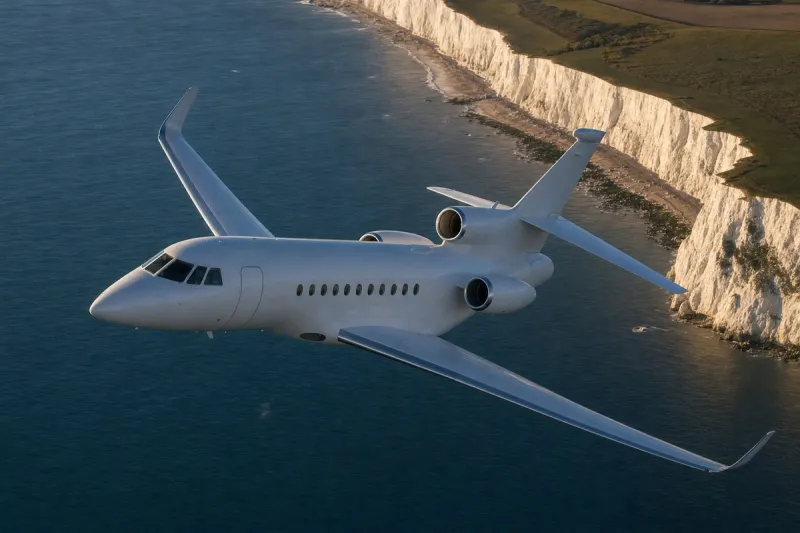
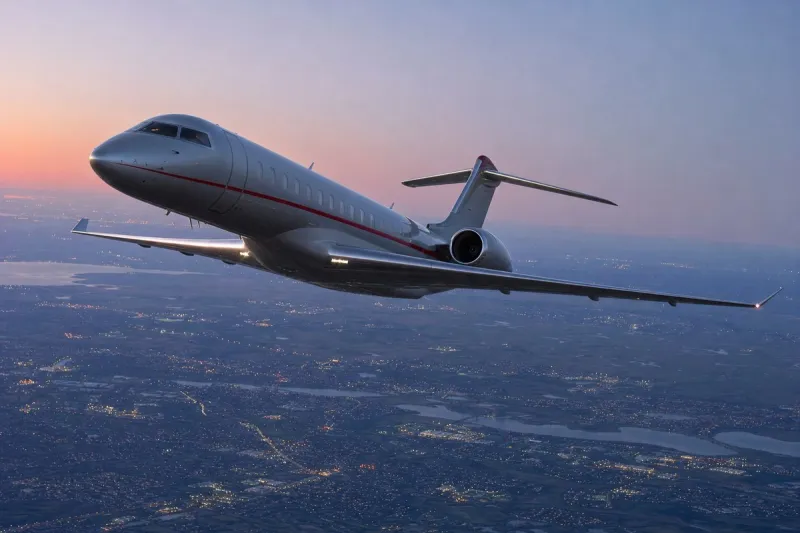
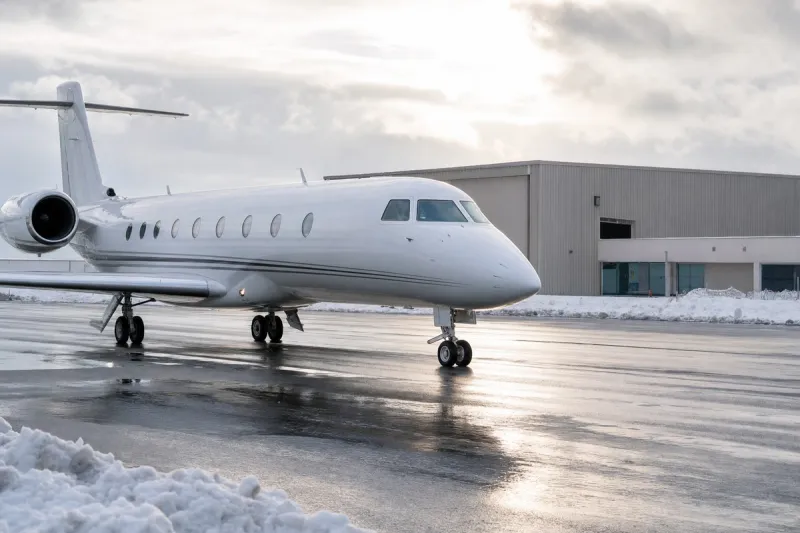
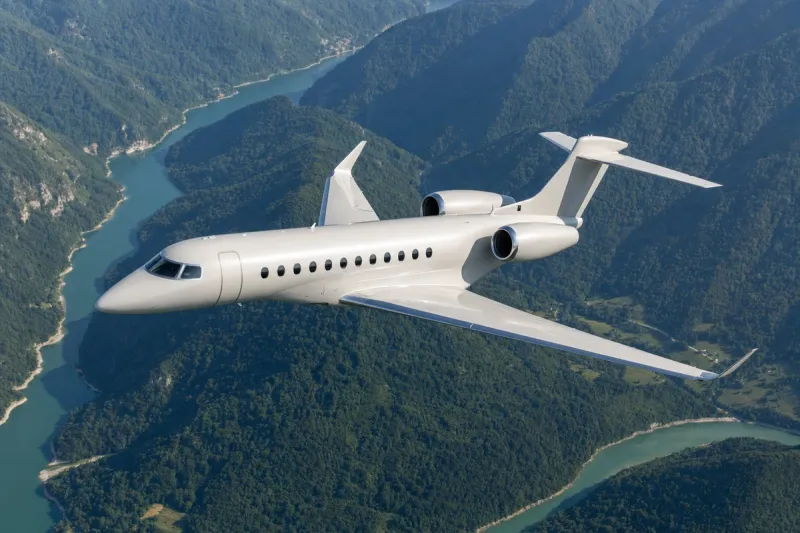
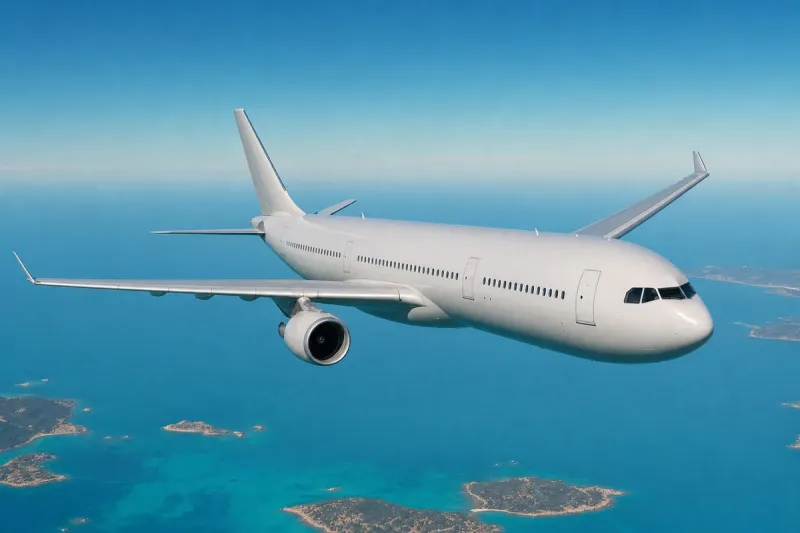
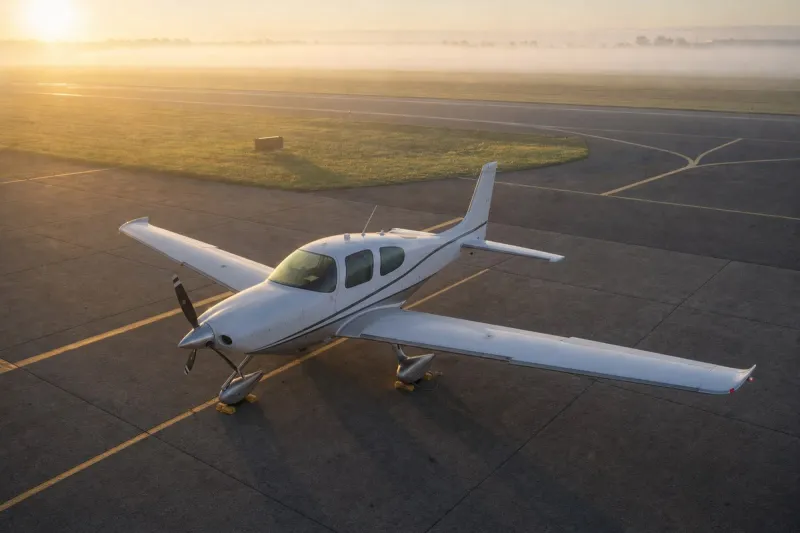
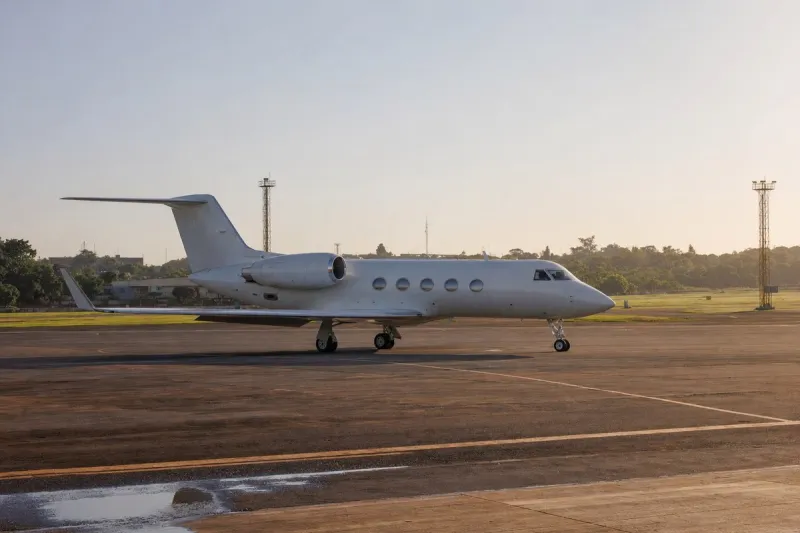
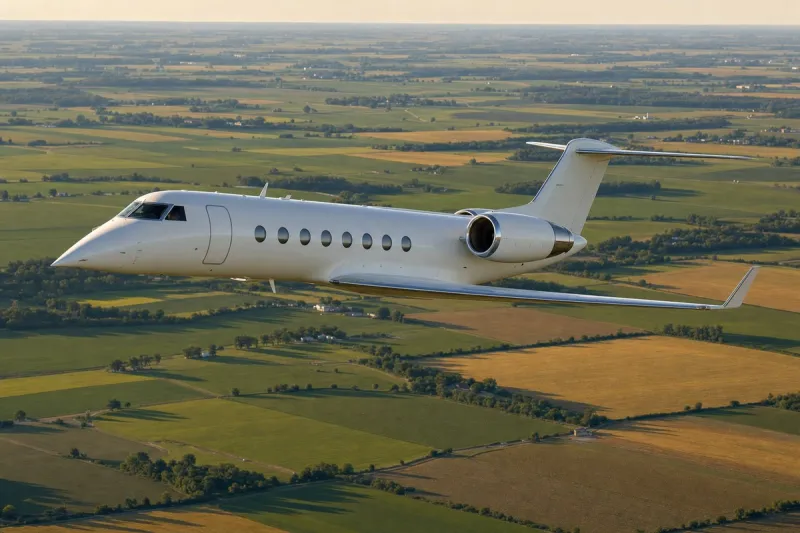
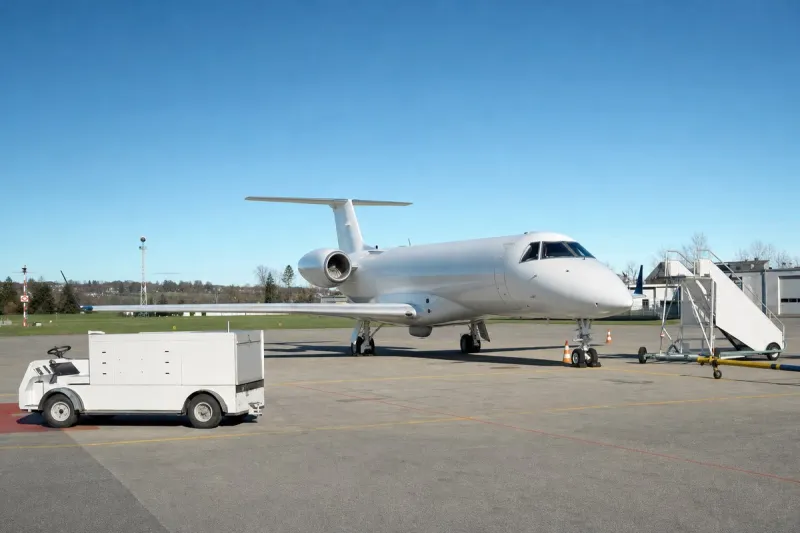
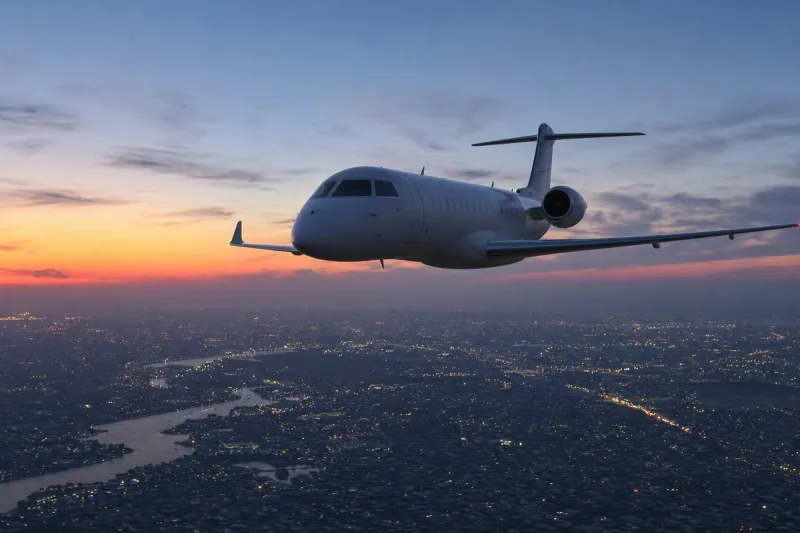
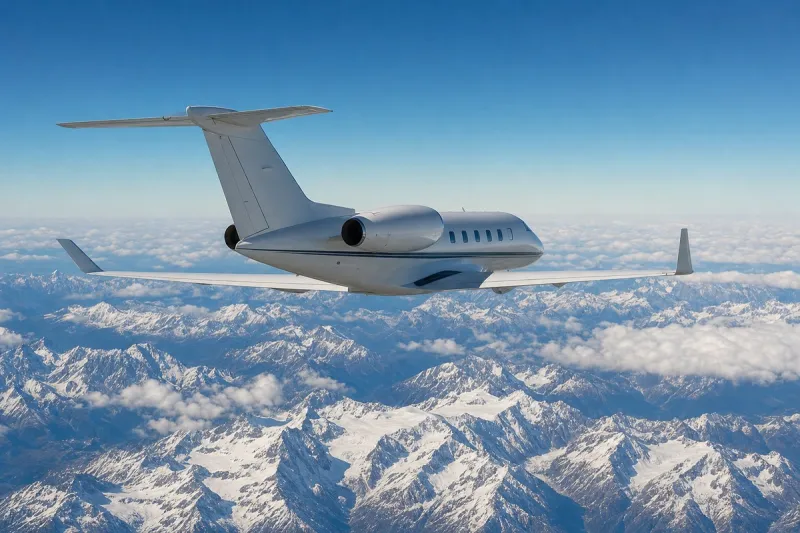
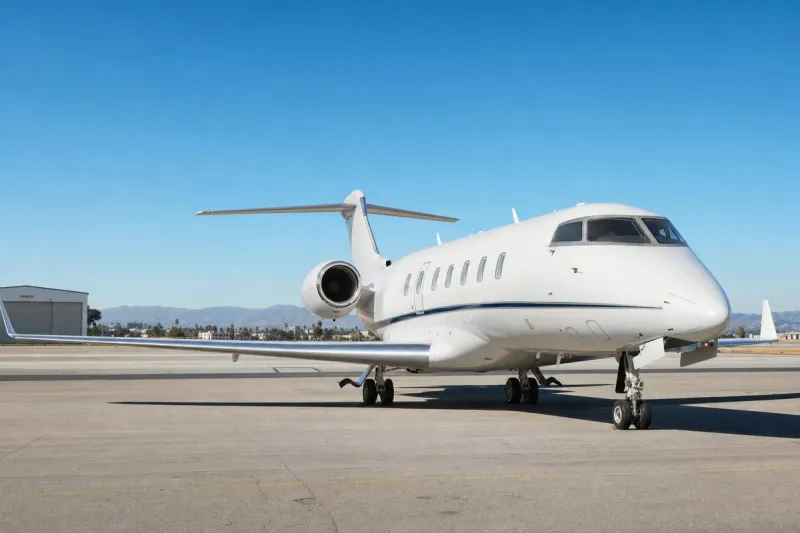
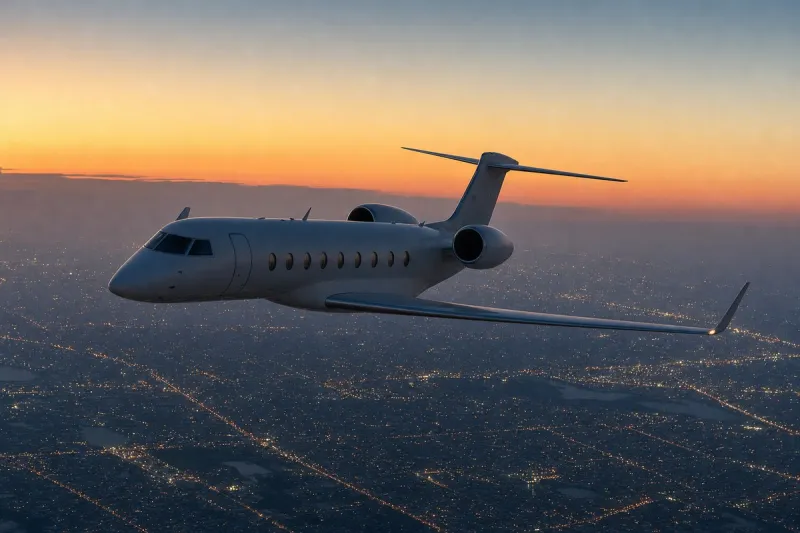
A Dassault Falcon 900LX registered N47EG, tracked as part of Michael Bloomberg's aircraft fleet, flew 25 nm (28 miles, 46 km) from LaGuardia to Newark Liberty International Airport and landed on October 29, 2026. It departed at 02:38 UTC and landed at 02:59 UTC, spending 22 minutes in the air. The aircraft reached a highest altitude of 4,600 ft and a top ground speed of 268 kt, with an average ground speed of 69 knots.
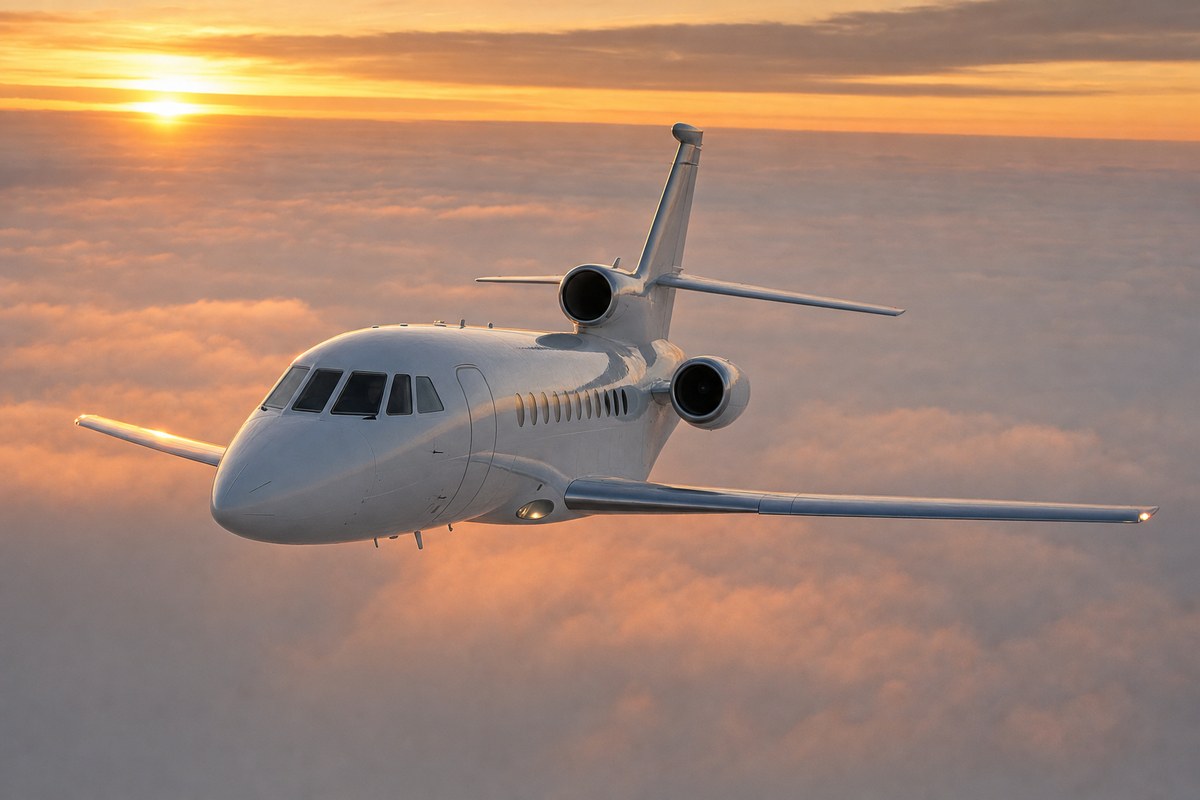
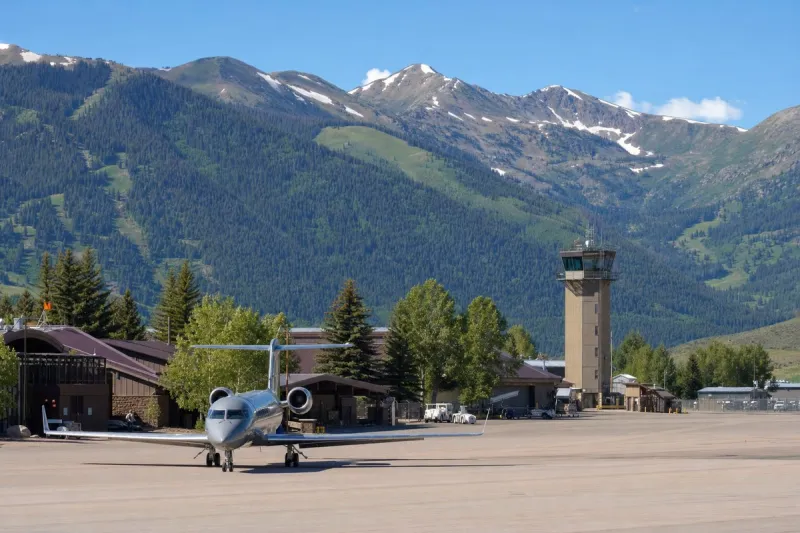
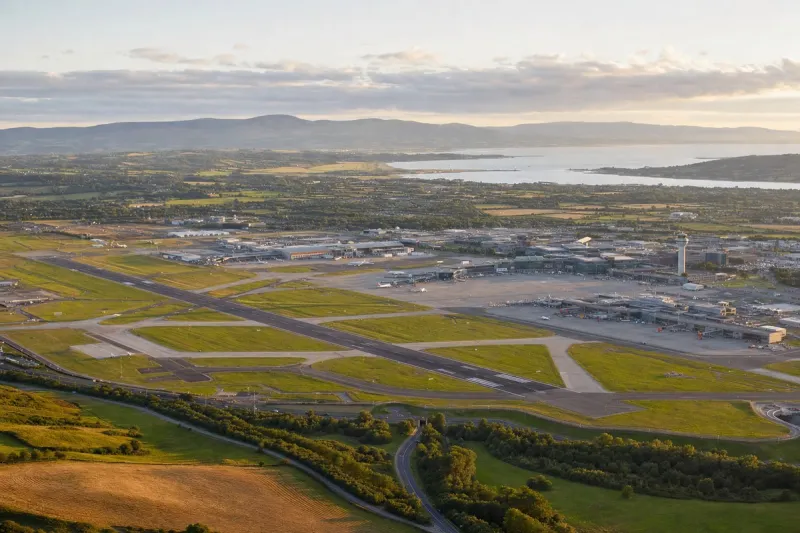
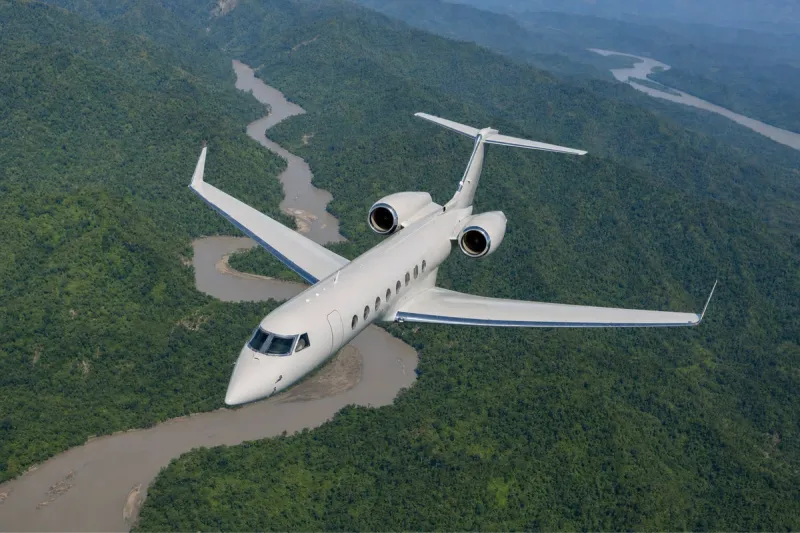
The trip used about 1 percent of the Falcon 900LX's 4,750 nm range. The aircraft burned an estimated 115 US gallons of fuel, producing about 1,106 kg (1.1 metric tons) of CO2, roughly equivalent to driving a car 2,737 miles. The Falcon 900LX typically seats 12 to 14 passengers, has a top speed of Mach 0.87 and a service ceiling of 51,000 ft, burns about 320 US gallons of fuel per hour and has blended winglets that reduce drag by 7 percent. LaGuardia's longest runway is 7,002 feet at 21 feet elevation; Newark's longest runway is 11,000 feet at 18 feet elevation.
This was the 10th tracked landing at Newark by any of Bloomberg's aircraft in the tracking window from August 9 to October 29, 2026. The previous Newark landing was on October 13, 2026, also by N47EG. Newark is listed as the home base for the fleet. A Dassault Falcon 7X registered to Becton Dickinson landed at Newark about 7 hours earlier. Whether Bloomberg was aboard this flight is not confirmed.
Fleet activity in the tracking window
In the 30 days before this flight, the two aircraft on file made 13 flights totaling 10.6 hours in the air and about 32,483 kg of CO2. Across the full tracking window, they made 38 tracked flights; the most common destinations were New York (11 landings), Newark (9) and Teterboro (3).
The longest leg in the 30 days before this flight was Harrisburg to Hamilton on October 10, 2026, covering 752 nautical miles. Recent flights by the same owner include Boston to New York on October 29, 2026 (46 minutes, 161 nautical miles) and New York to Boston on October 28, 2026 (44 minutes, 161 nautical miles).
Bloomberg is the founder of Bloomberg LP, served as the 108th Mayor of New York City from 2002 to 2013, and is a UN Special Envoy for Climate Ambition and Solutions. His fleet of two Falcon 900 variants is registered through Wing & Rotor Transportation Holdings LLC.
Industry impact & what to watch
A 25 nm hop between two airports in the same metropolitan area is a reminder of how flexible large-cabin business jets are as a transport tool. An aircraft built for a 4,750 nm range spent 1 percent of it on this leg, yet still carried the full overhead of a climb to 4,600 ft, a descent and a landing, which is why the 22 minutes aloft produced about 1.1 metric tons of CO2.
Short positioning legs of this kind sit at the centre of the sustainability debate around private aviation. Fuel burn and emissions per mile flown are highest on such sectors, and public tracking sites that publish per-flight CO2 estimates make each one visible to anyone. For operators and owners, that visibility is part of the operating environment alongside slots, runway length and ground handling at the New York-area airports.
The pattern in the tracking data, with New York and Newark leading destination counts and Newark listed as home base, shows how a fleet concentrates its activity around a single metropolitan hub. Further tracked movements by the two aircraft would show whether such short intra-region repositioning stays a regular part of the fleet's usage.