Centennial Airport Pilots Drop Lawsuit Against Denver jetCenter Over 82% T-Hangar Rent Increase
Why It MattersThe outcome shows how hangar tenants challenging FBO rent increases face high litigation costs and a federal framework that lets sponsors price aeronautical space up to fair market value.
What happened
The Centennial Airport Pilots Association has withdrawn its lawsuit against Denver jetCenter, the FBO at Colorado's Centennial Airport, after mediation failed to produce an agreement. The suit challenged an 82% hangar rent increase.
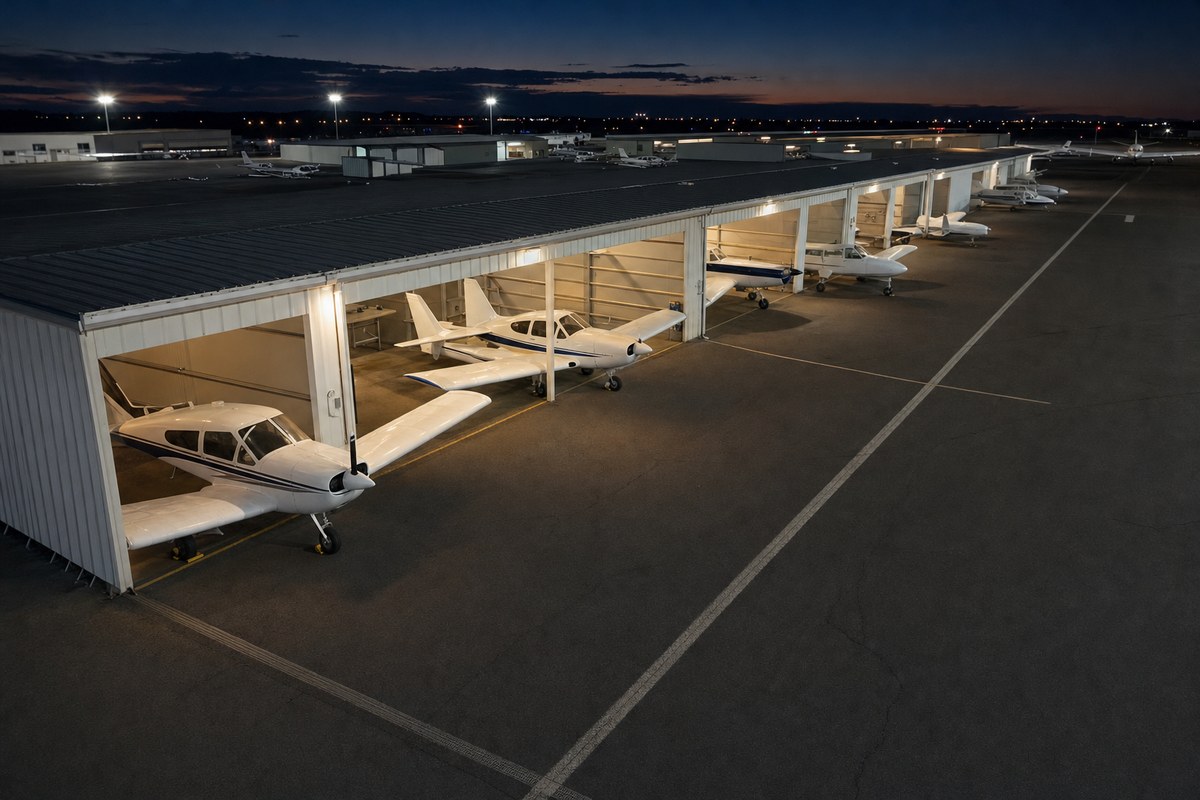
Denver jetCenter raised monthly T-hangar rents from $660 to $1,200 in April, adding $6,480 a year to each affected tenant's costs. The association filed suit on March 31 in Arapahoe County District Court, alleging the increase violated existing lease agreements. Association President Chris Stieber said the group could no longer afford to continue, with legal expenses exceeding $60,000. Denver jetCenter held the $1,200 rate throughout mediation.
The case ran separately from an informal FAA Part 13 complaint alleging violations of federal airport grant assurances. The FAA rejected that complaint in August and declined reconsideration on Oct. 7, saying it found insufficient evidence to establish a violation. Under the FAA's complaint procedures, airport users can also pursue formal Part 16 proceedings, which carry separate filing and evidentiary requirements.
Centennial Airport's 2026 budget, prepared in December 2025, projected $779,908 in annual land rent from Denver jetCenter, unchanged from its 2025 estimate. The figures predate the hangar rent increase and cover the FBO's broader leasehold; they do not establish the costs or profitability of the affected T-hangars. Stieber said more than one-third of the company's 45 T-hangars have been vacated since the increase.
What the FAA's guidance says
FAA policy distinguishes between the cost of operating an airport and what airport sponsors may charge aeronautical tenants. Its February 2026 compliance manual says the obligation to maintain reasonable aeronautical charges takes precedence over an airport's requirement to be financially self-sustaining.
"Accordingly, the FAA does not consider the self-sustaining requirement to require the sponsor to charge fair market value rates to aeronautical users," the manual states. The same guidance allows airport sponsors to charge hangar rents up to fair market value.
Industry impact & what to watch
Disputes between hangar tenants and FBO lessees tend to turn on two tracks that move at different speeds: a private lease claim in state court, where costs fall on the tenants' own association, and a federal grant-assurance complaint, where the FAA decides whether the evidence supports a violation. In this case the court route ended on cost rather than on a ruling, and the informal federal route ended with a finding of insufficient evidence.
For hangar economics, the FAA guidance cited here matters more than the outcome itself. If sponsors may price aeronautical space up to fair market value without being required to, rent changes of this size can be defended on market grounds even when tenants see them as a break from prior terms. Tenant groups weighing a challenge need to price the legal budget against that standard before filing.
The vacancy figure is the part that carries forward. With more than one-third of 45 T-hangars emptied, the rate Denver jetCenter holds at $1,200 will be tested by whether those units refill at that price, and the formal Part 16 route remains available to airport users who want a binding federal determination.