Airbus and Boeing Single-Aisle Backlog Reaches 12,420 Jets While Embraer E2 Delivers in 13–15 Months
Why It MattersSingle-aisle supply is effectively allocated for a decade, so the real contest in the 100-to-149-seat segment is between waiting for the largest types and accepting a second fleet family for earlier delivery.
What happened
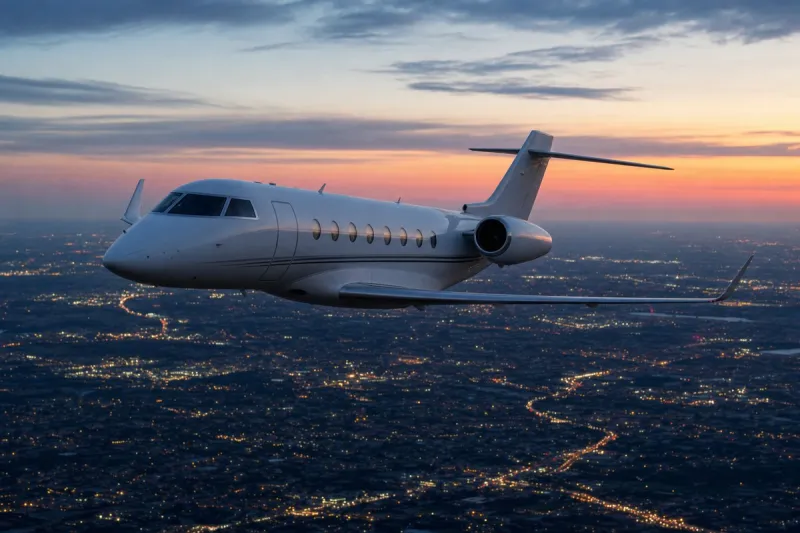
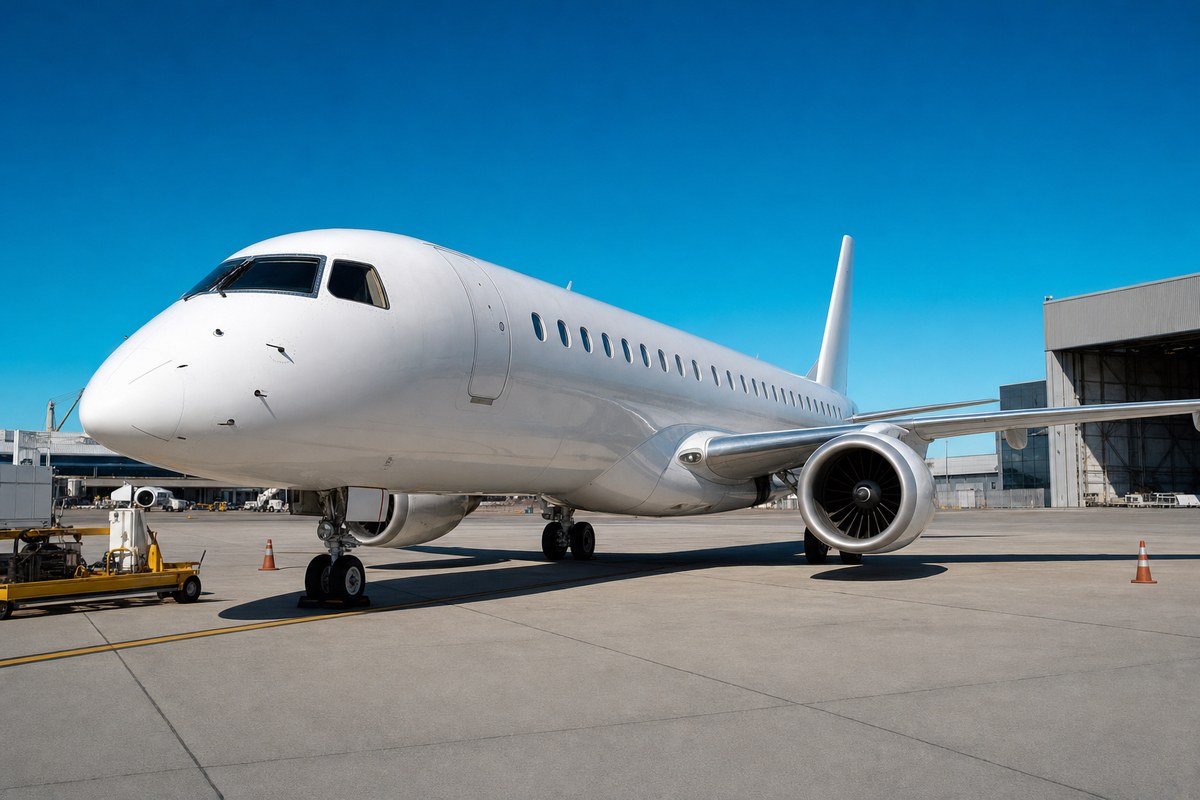
Boeing and Airbus have a combined backlog of 12,420 single-aisle jets yet to be delivered, based on 2026 order numbers. That is more than a decade of production at current output rates, so an airline ordering an A321neo or 737 MAX today would not receive the aircraft until the mid-2030s. Embraer's E2 family, the E190-E2 and E195-E2, has a far less crowded order book, with delivery averaging 13 to 15 months from order.
Most mainline carriers accept the long wait anyway. Adding the E2 would require a new aircraft family, with added support and training costs. On heavily trafficked trunk routes a larger aircraft burns less fuel per seat and maximizes revenue per departure from constrained, expensive hub slots. The A321neo and 737 MAX 8 can also fly five-to-six-hour routes, including transatlantic and transcontinental services, while the E2 is optimized for shorter regional operations. Airlines that move away from Boeing or the A320neo family for sub-150-seat aircraft favor the Airbus A220 over the E2.
Waiting carries a cost. Airlines in the backlog typically use Pre-Delivery Payment (PDP) financing, with lenders advancing cash to the manufacturer as production milestones are met under interest-only bridge loans, and delays of 12, 18 or 24 months extend the interest burden. An AirInsight study of the 100-to-149-seat segment put the commonality costs of a second fleet family at about 1.5% to 2% of operating costs over an aircraft's life, and found a subfleet of more efficient jets could pay back in about a year.
Porter Airlines is the largest E195-E2 customer, with an order for 75 aircraft. ANA Holdings has a firm total of 23 E190-E2 jets plus five options, 15 ordered in February 2025 and eight added this year, with first deliveries in 2028. Japan Airlines ordered 16 E190-E2 jets with options on 10 more for its regional subsidiary, and Bloomberg said the E2 beat the A220 in the evaluation. Avelo, which flies only Boeing 737s, ordered 50 E195-E2 jets with rights for 50 more, with first deliveries in early 2027. Luxair is expanding its E2 fleet, and Abra Group ordered 20 E195-E2 jets.
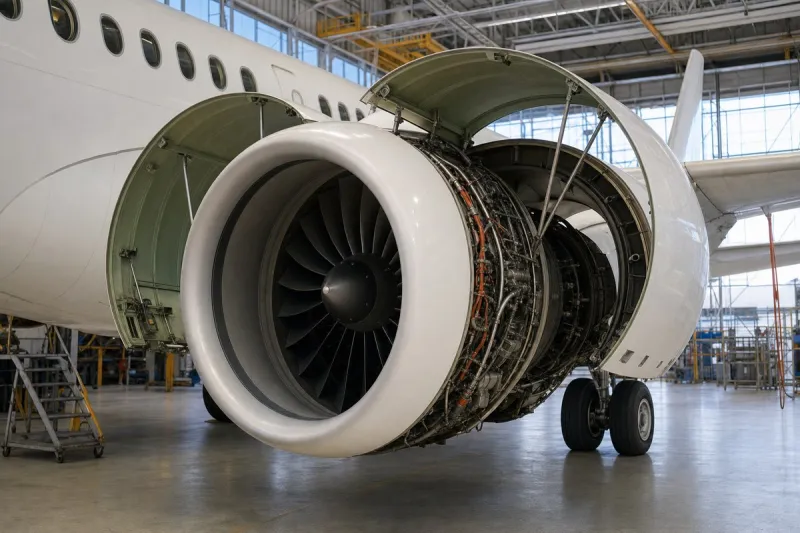
Build time is not the same as delivery date, and Embraer names component supply as its main obstacle. It expects 80 to 85 commercial deliveries in 2026 and wants 110 to 120 a year by the end of the decade, with production slots open before 2030. E2 jets use Pratt & Whitney geared turbofans, whose powder-metal quality problems also affected the A220 and A320neo family. Reuters said Embraer's share of grounded aircraft fell from a peak of 22% in March 2025 to about 1%, and the company expects no E2 grounded for engine reasons by the end of 2026.
Industry impact & what to watch
A backlog measured in decades turns delivery position into a strategic asset. For carriers already holding slots, the wait is a known financing cost; for those without, it pushes the decision toward whichever manufacturer can deliver within a planning horizon. The 13-to-15-month E2 lead time sits against a second-fleet cost that the AirInsight study puts at 1.5% to 2% of operating costs, and the same study's one-year payback finding for a more efficient subfleet is what makes that trade defensible on thinner routes.
The segment split follows route economics. Trunk routes with scarce hub slots reward the biggest single-aisles, which is why most mainline carriers keep waiting. Sub-150-seat flying is where a new family can pencil out, and the order book shows that competition running between the E2 and the A220, with Embraer winning the Japan Airlines evaluation and Avelo, a 737-only operator, committing to 50 E195-E2 jets.
The next test is Embraer's own ramp. Its target of 110 to 120 deliveries a year by the end of the decade depends on component supply, and its expectation of no engine-related E2 groundings by the end of 2026 is a dated milestone that will show whether the short lead time holds as volumes rise.