Aperribay Family Takes 5.85% Stake in Boost Air, Maintenance Group Bidding for Spanish Military VIP Fleet Contract
Why It MattersPrivate capital is moving into business-aviation maintenance as defence work, tied to government military modernisation, becomes a larger share of revenue for consolidated MRO groups built from several smaller providers.
What happened
The Aperribay family, owners of the Basque company Sapa Placencia, has disclosed a 5.85% stake in Boost Air, the aircraft maintenance business of Hyperion Fund — the venture capital fund led by former PP leader Pablo Casado — and Corporación Financiera Azuaga. According to the Mercantile Registry, the family made the investment through its family vehicle Sapa Placencia Holding. The purchase was carried out in December 2025 and revealed after the filing of Sapa Placencia Holding's 2025 accounts. It cost four million euros, implying a valuation of roughly 68 million euros for 100% of Boost Air.
A 5.85% holding does not entitle the family to a seat on Boost Air's six-member board. Sources familiar with the situation told Expansión that the Aperribays currently have no intention of requesting one or of increasing their stake. The same sources said the family sees aircraft maintenance, repair and operation (MRO) as a growing sector, and cited its closeness to Boost Air's current shareholders as a decisive factor. Through the same family vehicle, the Aperribays also control almost 8% of Indra (7.944%, valued at around 918 million euros).
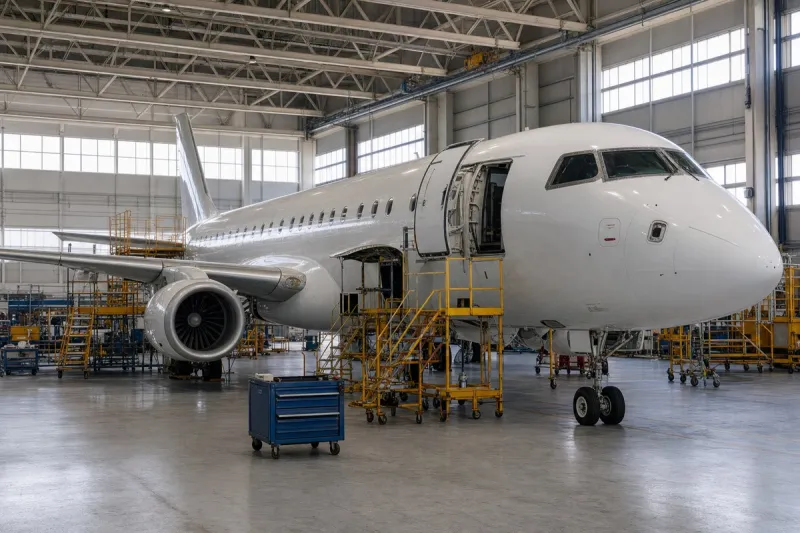
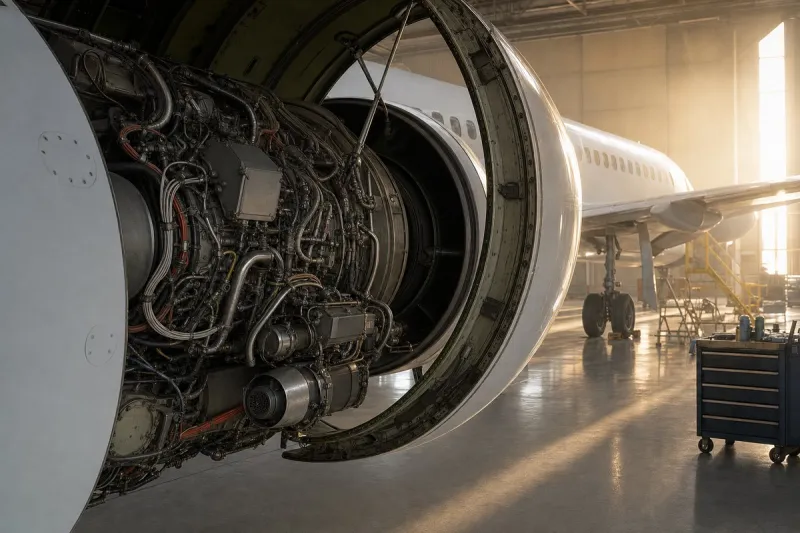
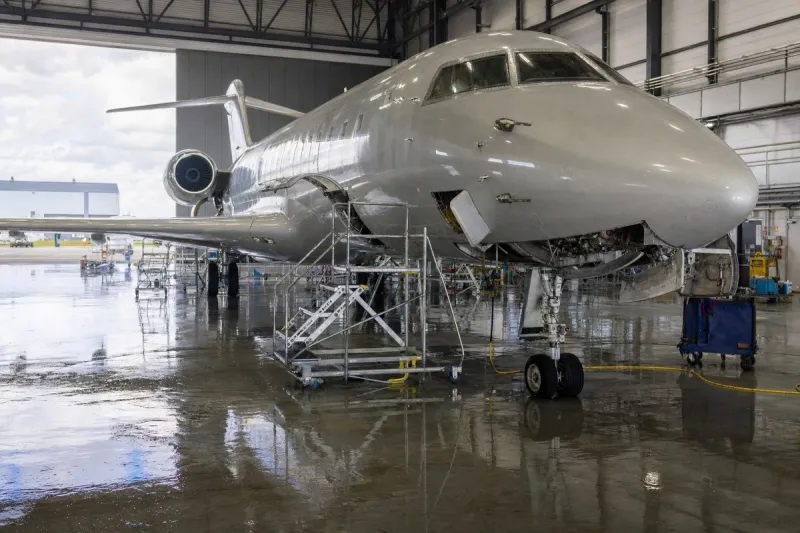
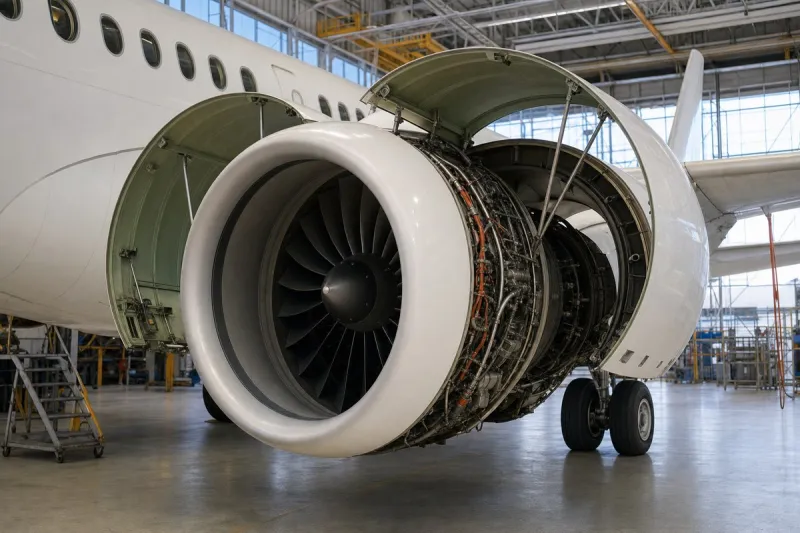
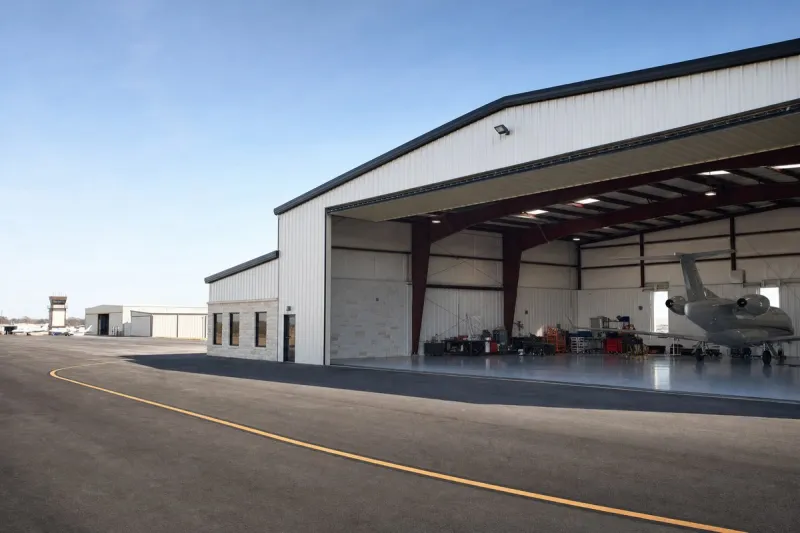
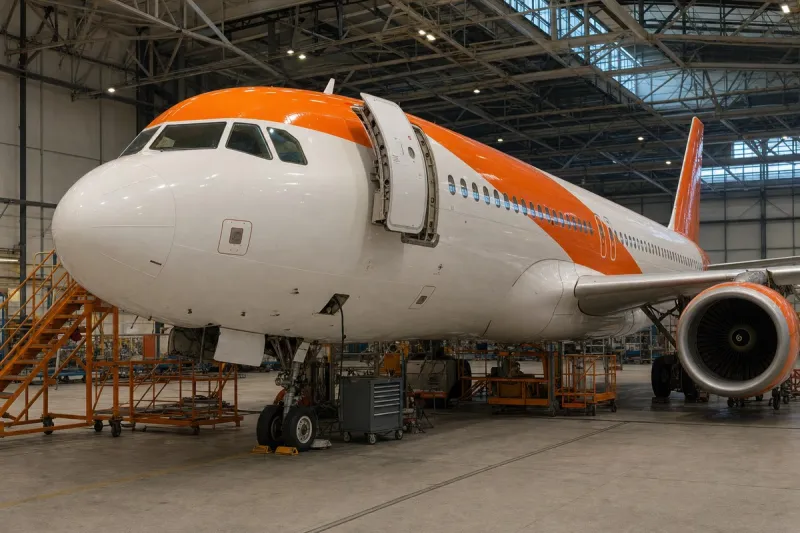
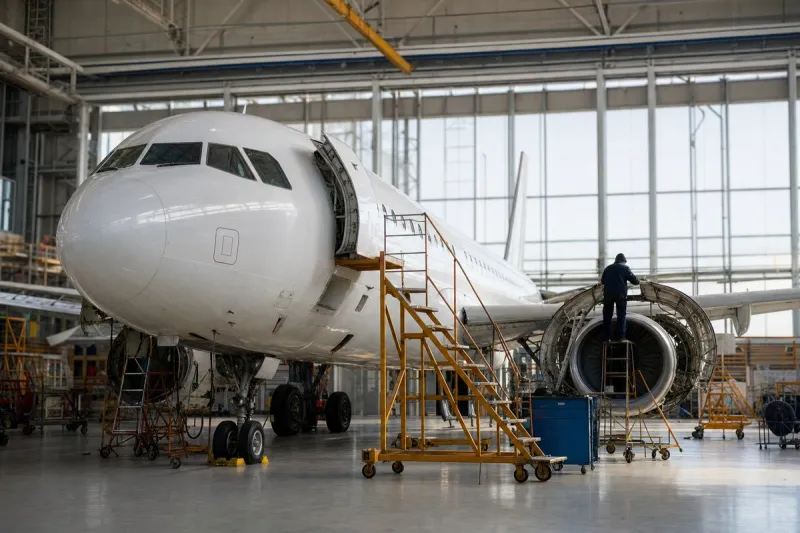
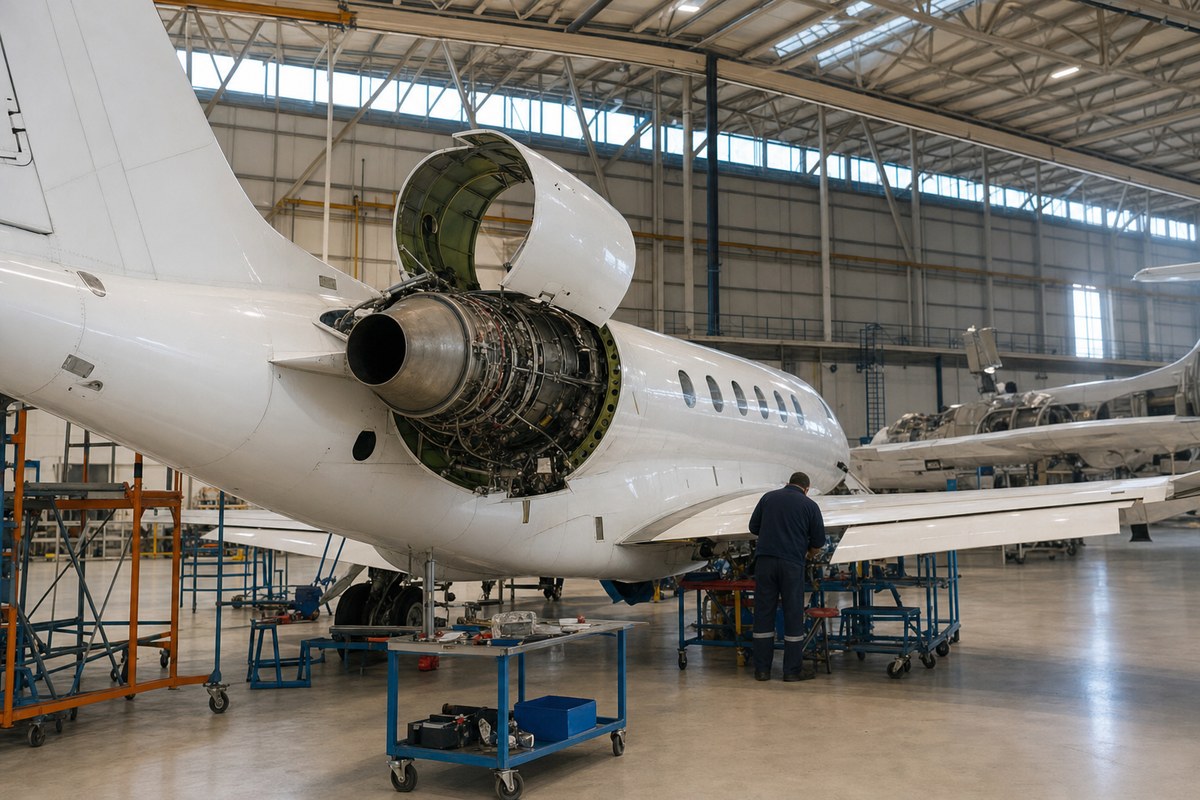
Boost Air was formed through the integration of Gestair, Brok-Air and ATS Aviation. Its combined 2025 revenue was 280 million euros, and the goal is to double it within five years. The group maintains aircraft in executive, commercial and defence aviation: executive and commercial each account for 40% of current revenue and defence for 20%. The company aims for defence aviation to contribute between 45% and 50% of revenue in 2027, in line with the government's military modernisation plans and larger budgets.
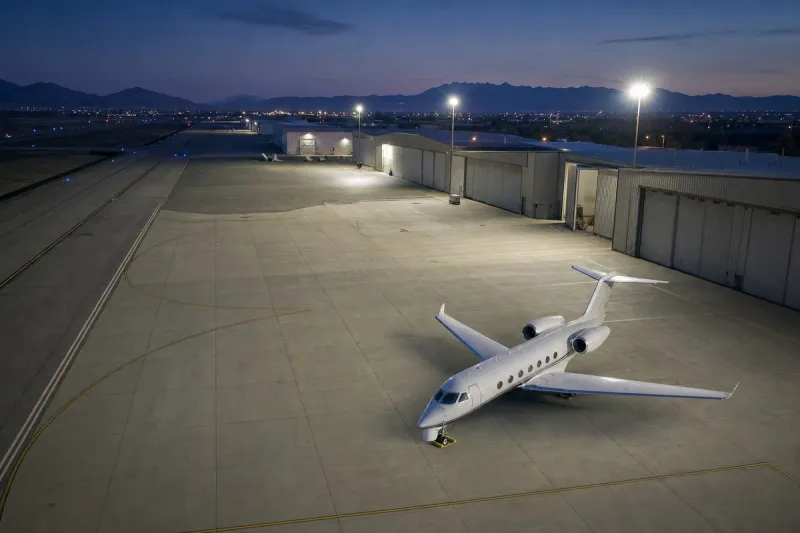
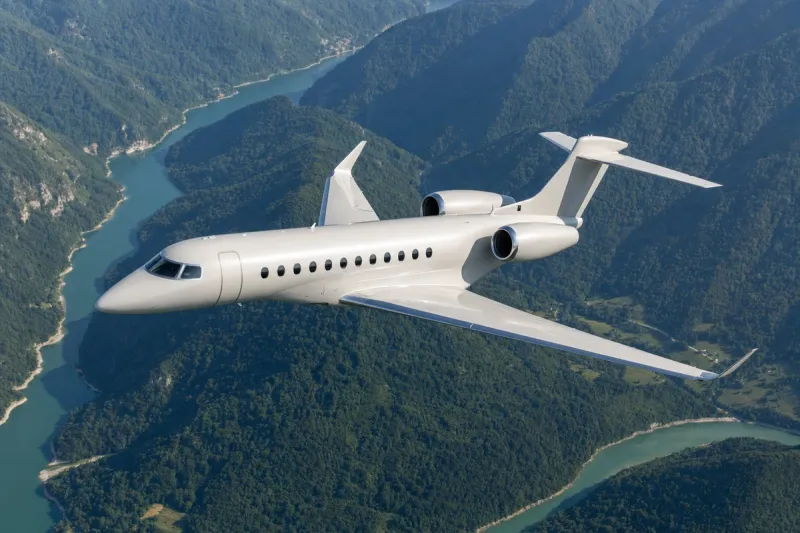
Boost Air is bidding for a contract of almost 120 million euros to maintain the Spanish Army's VIP aircraft fleet, used for official travel by authorities such as the prime minister and ministers. The framework agreement, tendered by the Ministry of Defence for four years, has two lots. The first, worth 73.5 million euros, covers five Dassault Falcon 900 and two Airbus A310 aircraft of the 45 Group of the Air Force. The second, worth 7 million euros, covers three Cessna Citation V jets used by the Air Force mainly for aerial photography missions, and was awarded to Boost Air this week.
Industry impact & what to watch
The deal illustrates how business-aviation maintenance is being repackaged as an investable platform. Boost Air is the product of three separate providers merged into one group, and its revenue is already split between executive, commercial and defence work. Consolidation of this kind gives a maintenance business the scale to bid for government framework agreements, which run for several years and offer steadier income than ad hoc executive-aircraft work.
The planned shift of defence from 20% of revenue today to between 45% and 50% in 2027 shows where the group expects growth to come from. Such a shift would make MRO earnings depend more on defence budgets and procurement cycles than on private-flight demand. A minority holder with no board seat and no plan to raise its stake is a financial participant in that bet, not a change in how the company is run.
The next concrete milestone is the outcome of the larger lot, the 73.5 million euro package covering the Falcon 900 and A310 aircraft, on which Boost Air is still bidding. Its award or loss will show whether the group can convert its defence ambitions into the contract that carries most of the tender's value.