AIRCO Opens New Britain, Pennsylvania Facility to Scale Production of CO2-to-Fuel Systems
Why It MattersContainer-sized power-to-liquid units point to on-demand e-fuel production near the point of use, though e-fuels cost 2.5 to 4 times more than fossil fuels and depend heavily on policy.
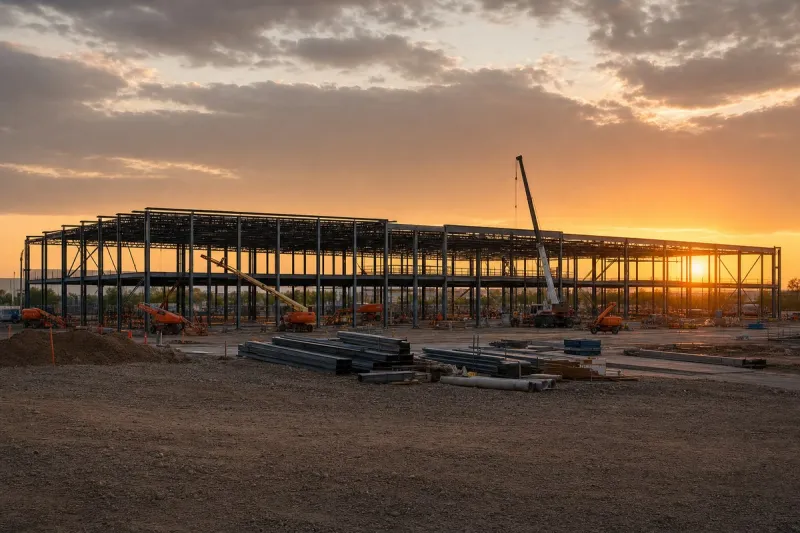
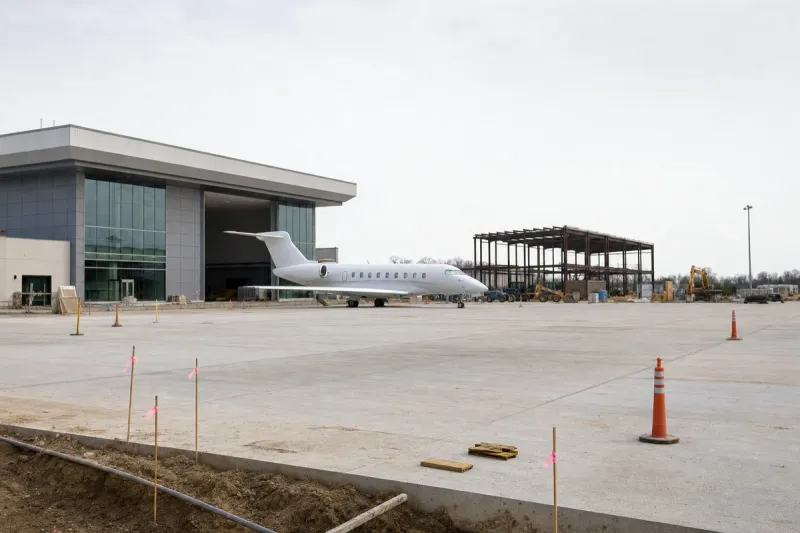
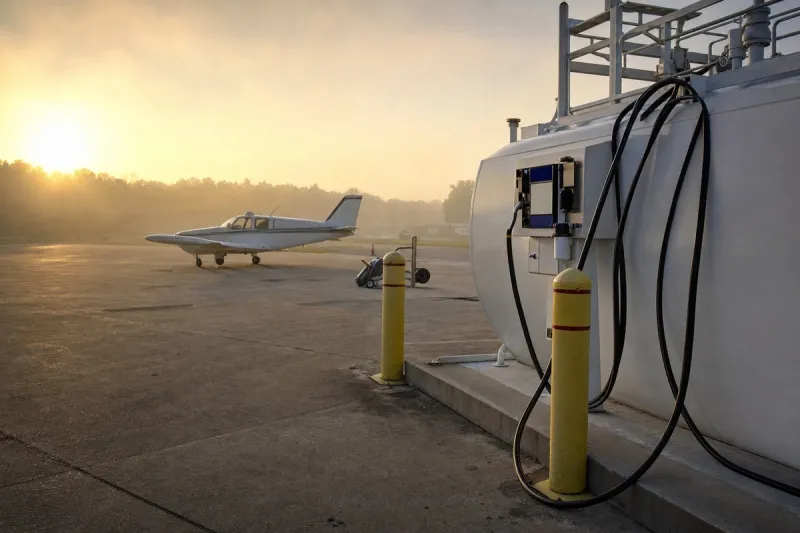
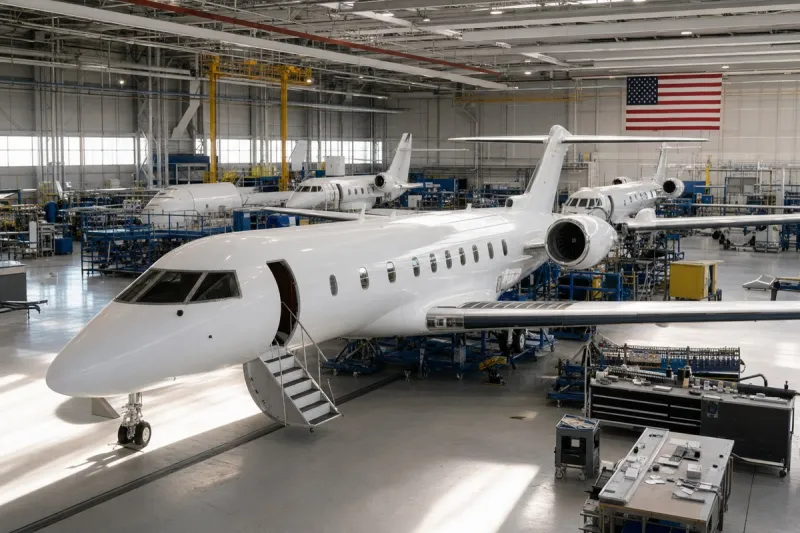
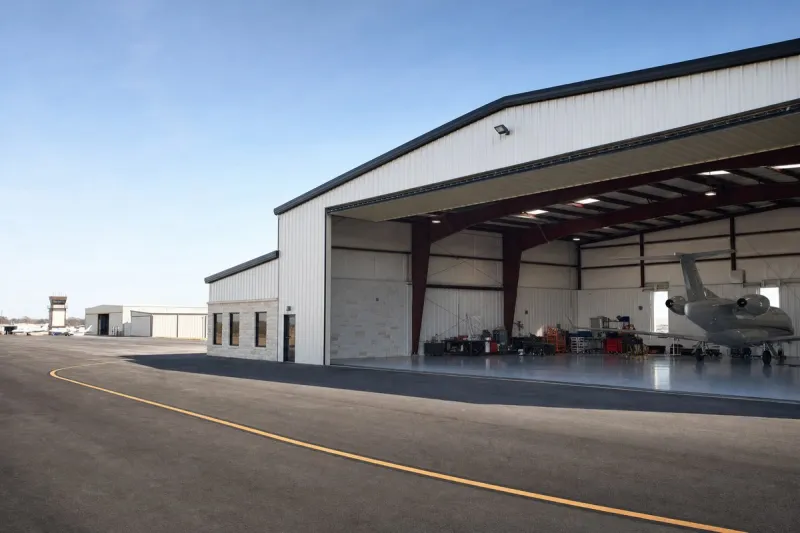
AIRCO (formerly Air Company), a Brooklyn, New York-based startup, unveiled its new operations facility in New Britain, Pennsylvania, at a ribbon-cutting ceremony on Wednesday, joined by local and state officials including U.S. Representative Brian Fitzpatrick. The hub will focus on scaling domestic manufacturing of AIRCO's power-to-liquid fuel production systems for multiple sectors, including U.S. military operations. Nicolas Steinke, the company's director of government and defense programs, said the plant will produce 1,000 gallons of synthetic drop-in diesel per month, and CEO and co-founder Greg Constantine said the equipment powering the event ran on diesel the company had made.
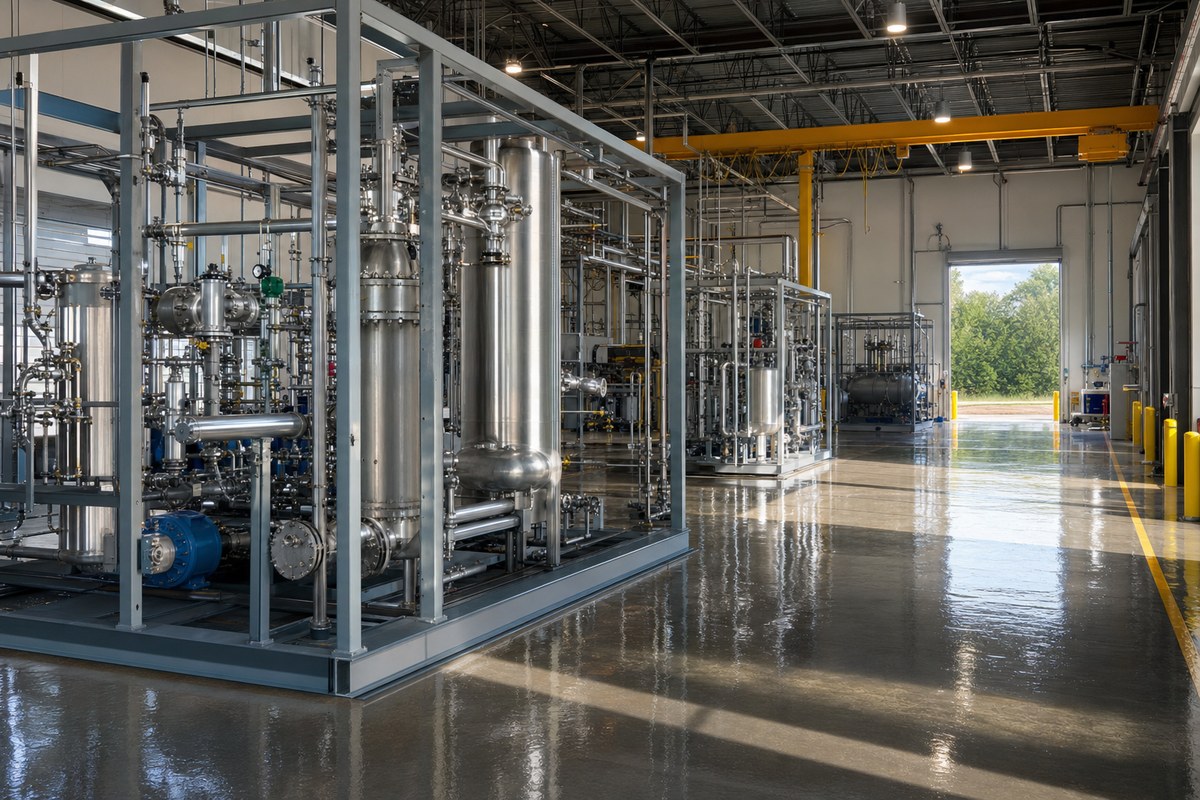
The facility supports AIRCO's MAD (mobile, adaptable, dynamic platform) Fuel System, which uses its proprietary AIRMADE technology to convert CO2 and hydrogen through a catalyst pathway into sustainable aviation fuel for jets and synthetic diesel for ground vehicles. Constantine said the company has shrunk what is normally a refinery to shipping-container size, so modular units can be deployed anywhere power is available to make fuel on demand, reducing fuel transport and resupply logistics.
AIRCO was founded in 2017 and initially raised roughly $108 million in venture capital, followed by a $69 million Series B round in 2024 backed by investors including JetBlue Ventures, Alaska Airlines and Toyota Ventures. It began using AIRMADE in 2019 through a consumer product, Air Vodka. The company holds a $65 million contract with the Defense Innovation Unit of the U.S. Department of Defense, along with multi-million-dollar NASA partnerships to demonstrate synthesizing e-fuels at remote locations.
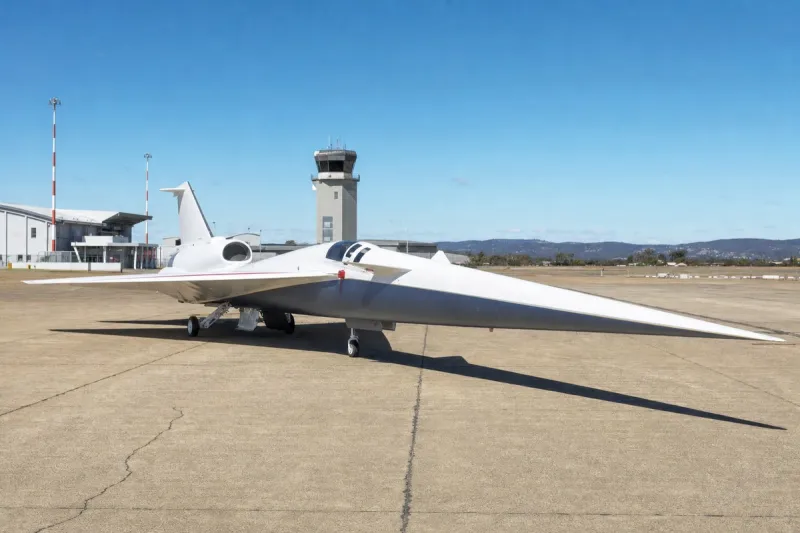
Under separate memorandums of understanding, JetBlue agreed to buy 25 million gallons of AIRCO fuel between 2027 and 2032, and Virgin Atlantic agreed to purchase up to 100 million gallons over 10 years. Boom Supersonic partnered with AIRCO in 2022 to acquire 5 million gallons annually over the duration of its Overture flight test program.
The Transportation Energy Institute projects U.S. e-fuel production of 4.7 billion gallons per year by 2040, about 1.5% of petroleum products consumed in the U.S. in 2024, which it says could cut U.S. CO2 emissions by more than 50 million tons per year. The institute also estimates e-fuels cost 2.5 to 4 times more than fossil fuels and that their competitiveness depends heavily on government policy.