McKinsey and Honeywell 2026 Reports: Crews, Slots and Hangars Now Constrain Asia Business Jet Charter
Why It MattersWhere aircraft supply is no longer the bottleneck, charter capacity is set by ground infrastructure and skilled labour, so growth in the region depends on parking, maintenance and crew depth.
What happened
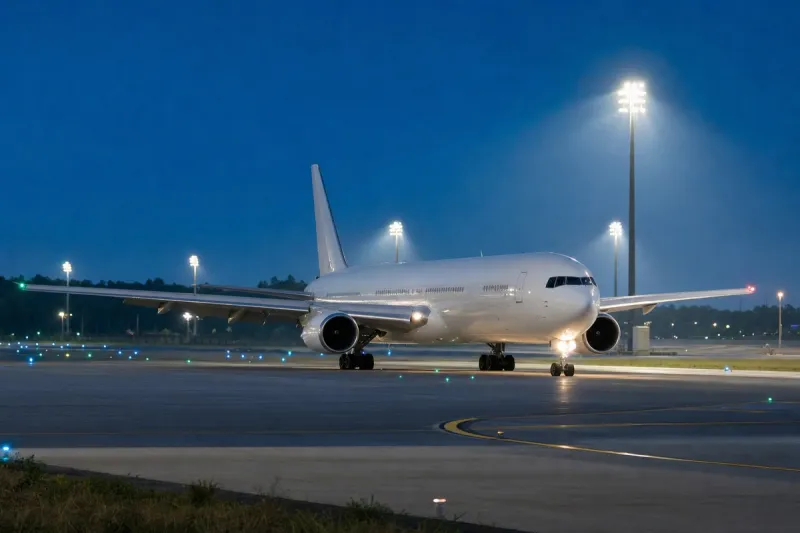
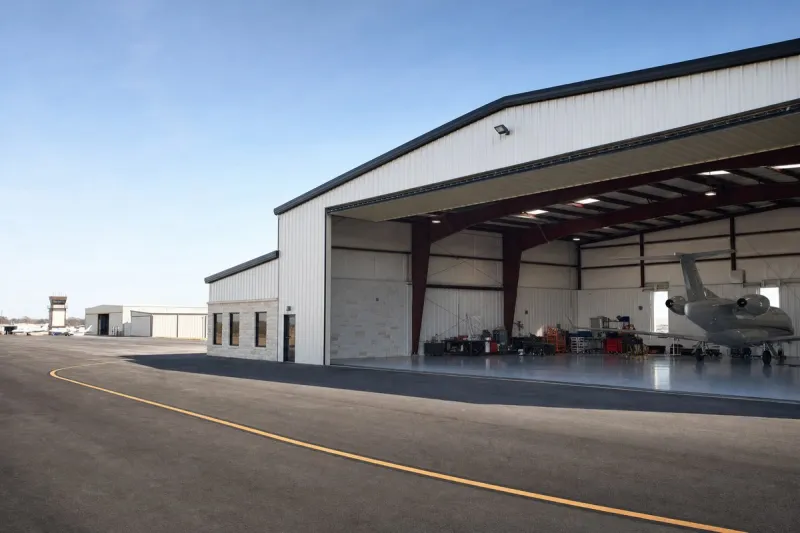
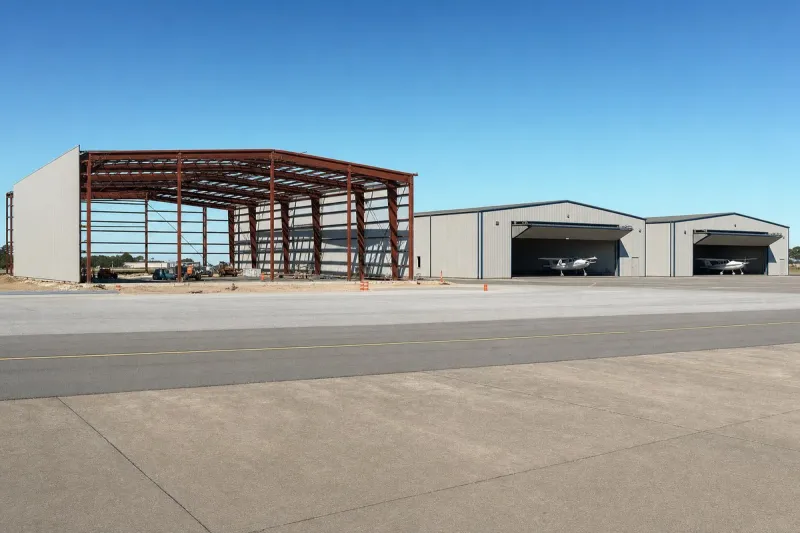
Two industry reports published in October 2026, McKinsey's inaugural State of Business Aviation and Honeywell Aerospace's 2026 Global Business Aviation Outlook, indicate that crews, hangar space, maintenance slots and airport access, not aircraft alone, are the main constraints on business jet charter in Asia.
McKinsey's report, published on 19 October, counted a record 3.9 million business jet departures worldwide in 2025, an average annual rise of 4.9% since 2019. Manufacturers delivered 842 business jets in 2025, about 65% of the 2008 peak of 1,290. Fleet growth has come mainly from fewer retirements, which fell from around 300 in 2019 to about 110 in 2025. McKinsey expects older jets to reach major maintenance milestones in larger numbers. Fractional aircraft rose from 990 in 2019 to 1,510 in 2025, and their share of flight hours moved from 14% to 20%.
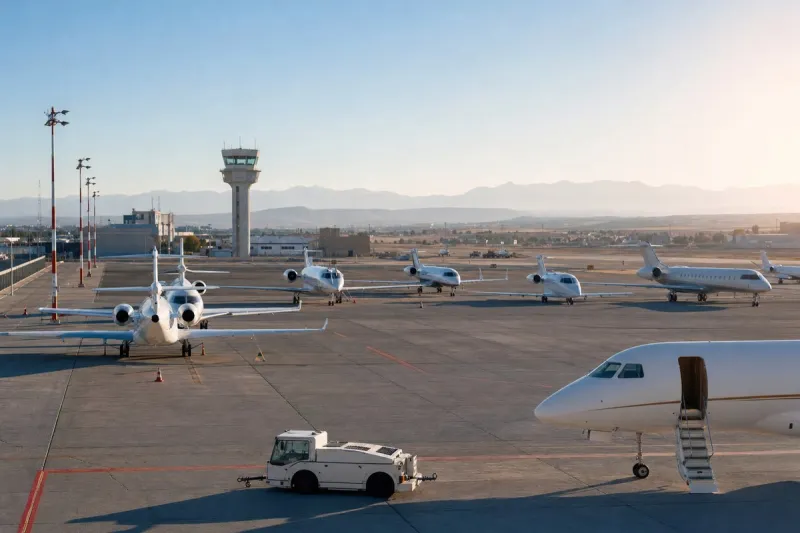
Honeywell puts Asia-Pacific at about 2,300 active business jets at the end of 2025, including roughly 372 in China, 295 in India and 62 in Singapore. India recorded the largest net increase in the region, with a fleet compound annual growth rate of 5.5% from 2021 to 2025, while Singapore's 5.7% was the only regional rate higher. China's fleet contracted 2.6% a year over the period. Honeywell lists limited parking and airport slots, fuel and financing costs, delays in engine overhauls and spare parts, and the cost and availability of sustainable aviation fuel as regional constraints.
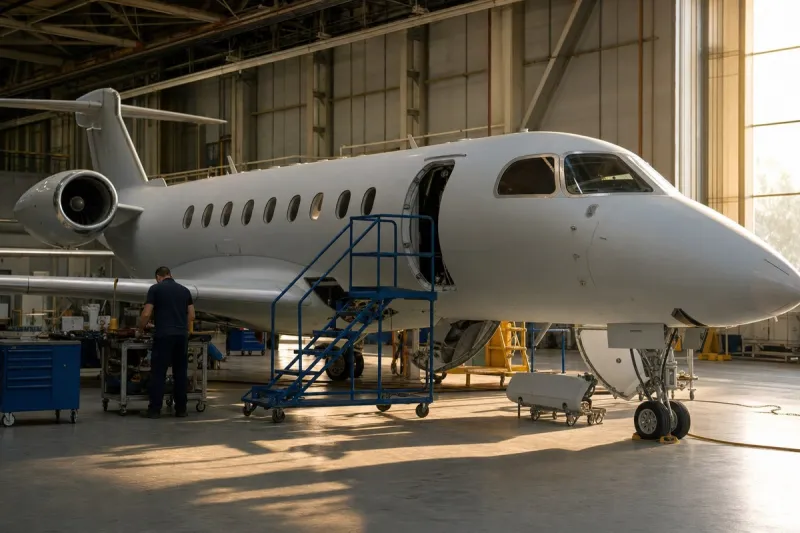
Business Air News's airport directory lists 40 business aviation companies at Seletar and 15 at Changi; Changi's listings show six FBO and handling operators. In March 2026, Jet Aviation signed a memorandum of understanding with the Singapore Economic Development Board and JTC to explore expanding its business aircraft maintenance and refurbishment capabilities. Its Seletar site has offered SAF blended to customer specification since 2023.
Where charter buyers feel the constraint
McKinsey lists reduced empty-leg flying among operator efficiency levers, which could mean fewer advertised repositioning flights.
The article's editors advise confirming a named aircraft or class, a backup, and written parking confirmation at both ends before paying a deposit. They note that no hourly charter rates were verified and that no authoritative minimum booking lead time is published in the sources reviewed.
Industry impact & what to watch
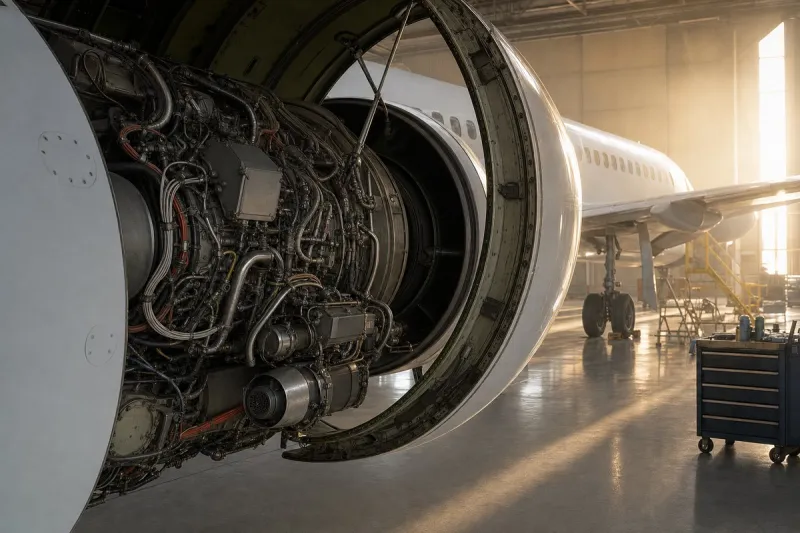
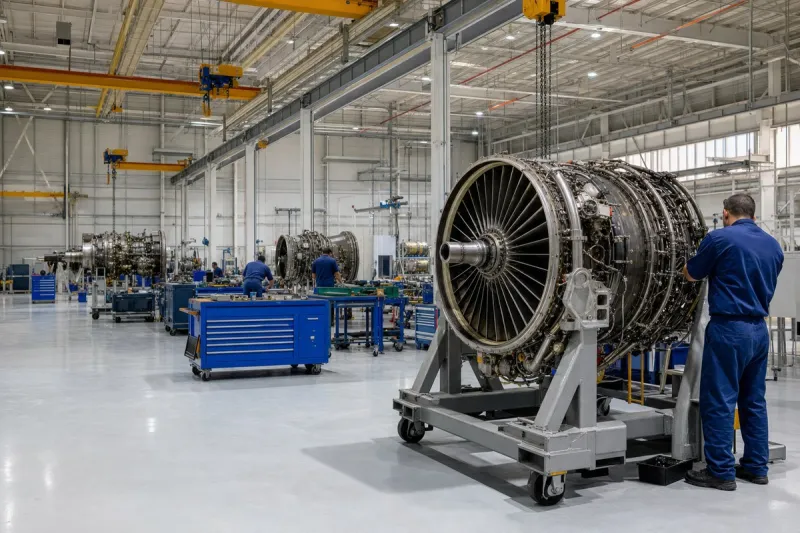
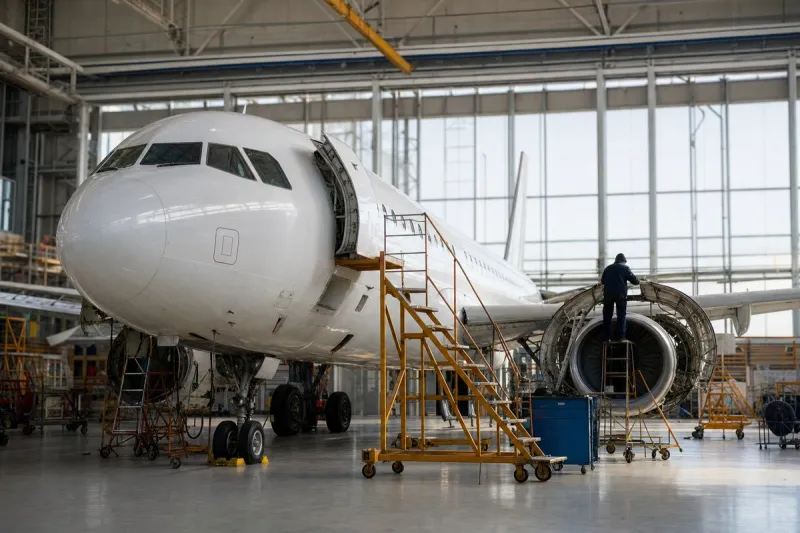
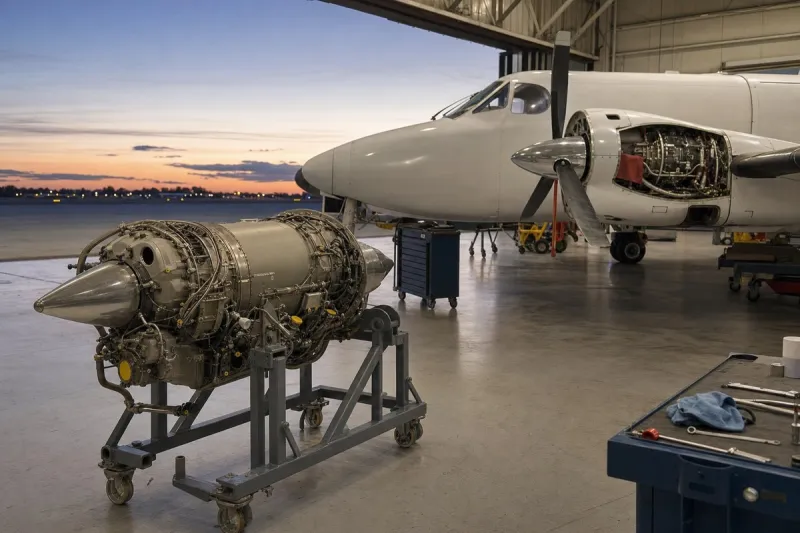
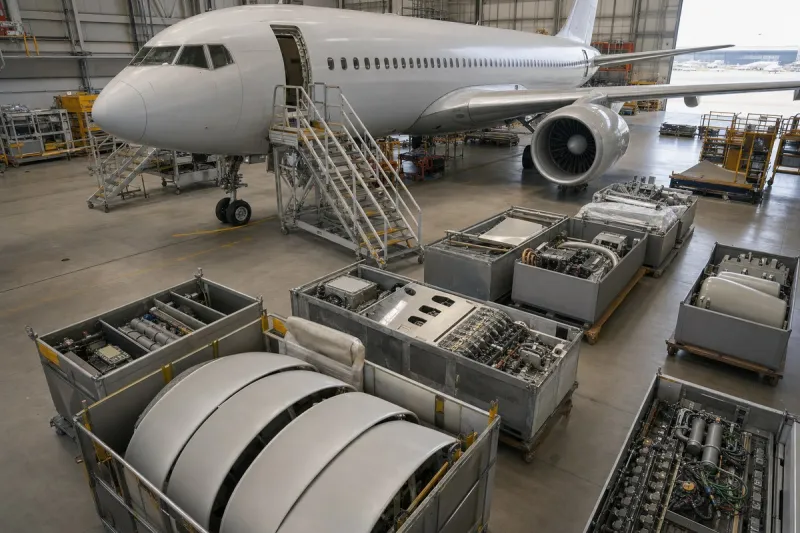
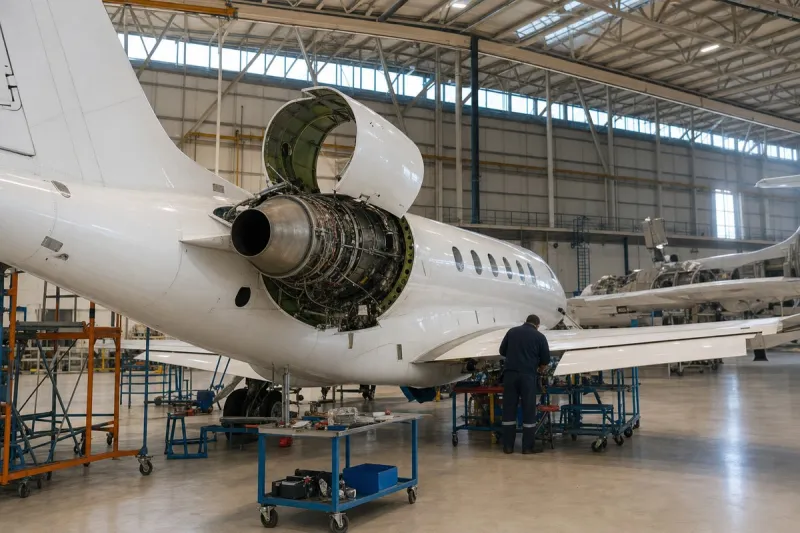
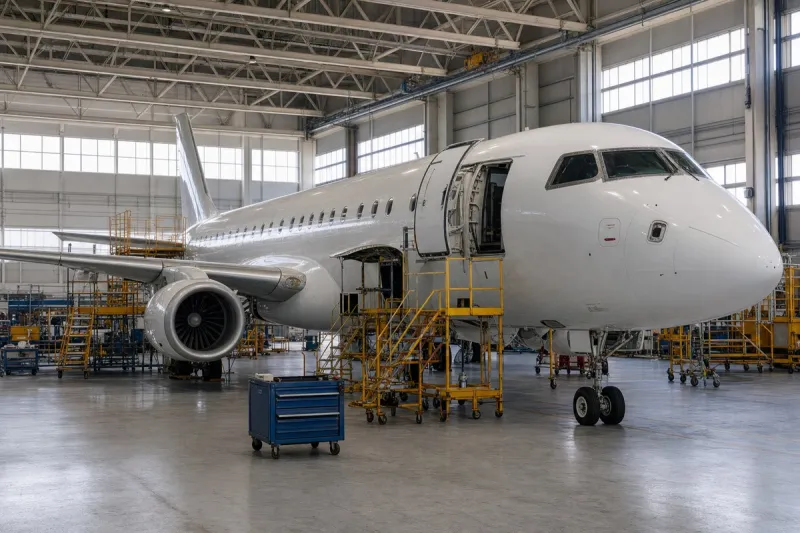
The pattern in these figures is a fleet that keeps growing through retention rather than new deliveries. Deliveries sit well below the 2008 peak, and fewer retirements account for most of the growth. An ageing, longer-lived fleet pushes demand onto maintenance capacity, spare parts and engine overhaul schedules, which is where Honeywell places the regional delays.
In charter, that shifts the scarce resource. A booking depends on an aircraft being available, but also on a crew, a parking position at both ends and a maintenance slot that does not take the aircraft out of rotation. Markets with concentrated infrastructure, such as the Seletar and Changi cluster, can absorb demand differently from those with thin ground support, and the divergence between India's growth and China's contraction shows the region is not moving as one market.
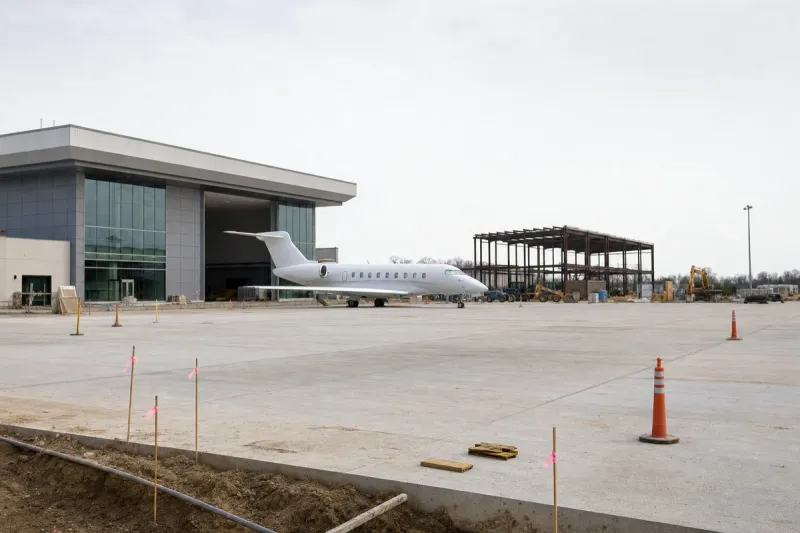
The next dated marker is the Jet Aviation memorandum of understanding with the Singapore Economic Development Board and JTC, which is exploratory; any concrete maintenance or refurbishment expansion at Seletar would be the clearest sign that capacity is being added where the reports locate the constraint.