General Dynamics Raises 2026 Revenue and Profit Forecasts After Strong Q3, Citing Gulfstream and Submarine Demand
Why It MattersBusiness-jet output and submarine shipbuilding now sit inside one earnings stream, so a primes' aerospace segment is increasingly read through defense backlog while private-aviation demand keeps its own order momentum.
What happened
General Dynamics raised its 2026 revenue and profit forecasts on Friday after reporting third-quarter results that beat expectations. The company pointed to robust demand for Gulfstream business jets and for submarine programs, with rising military spending amid ongoing wars and resilient demand for private aviation supporting orders across its businesses.

Third-quarter profit was $4.49 per share, above the analyst average estimate of $4.13 compiled by LSEG. Revenue rose nearly 13% from a year earlier to $14.57 billion, topping estimates of $13.73 billion.
The company now forecasts 2026 earnings per share of $17.20 to $17.30, up from a previous range of $16.80 to $16.90. Annual revenue is expected at $56.5 billion to $56.8 billion, up from about $55.7 billion previously.
On the order side, General Dynamics booked nearly $99 billion in new orders during the quarter, including awards for five additional Columbia-class submarines and nine Virginia-class submarines. Backlog rose to a record $220.3 billion, more than double the level a year earlier. CEO Phebe Novakovic said on an earnings call that the company was seeing "significantly increased earned hours" at its shipyards as prolonged supply-chain and labor bottlenecks ease.
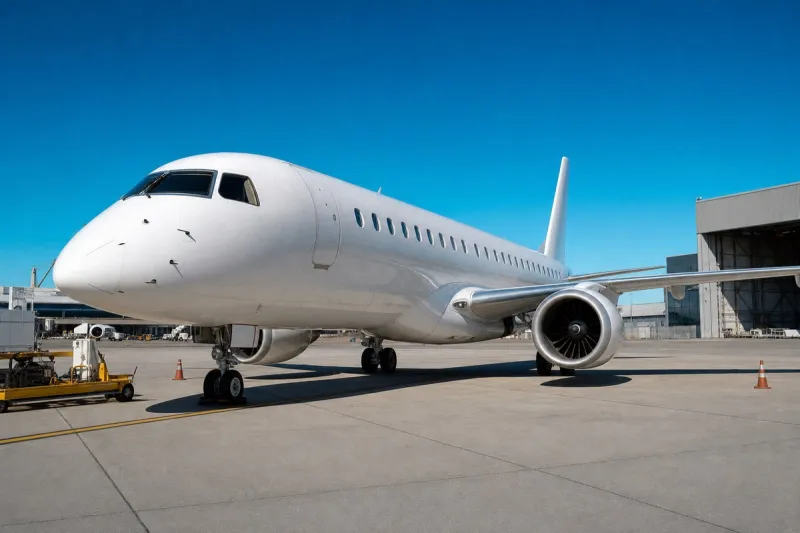
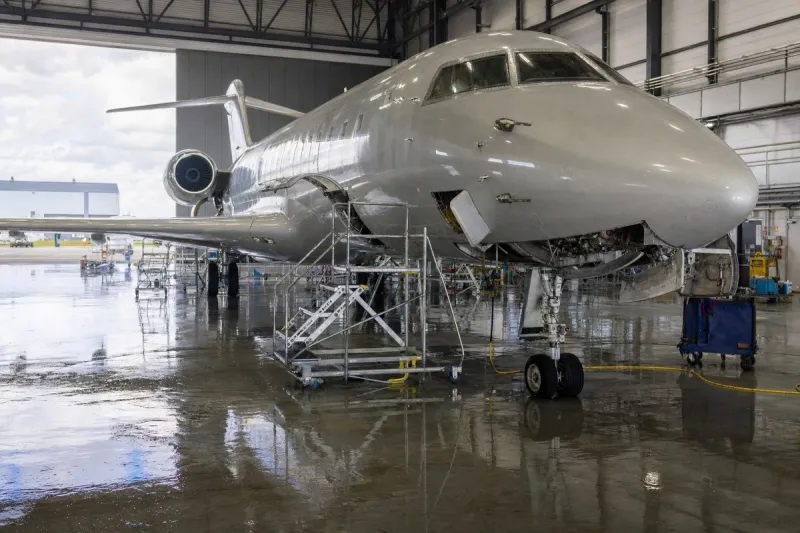
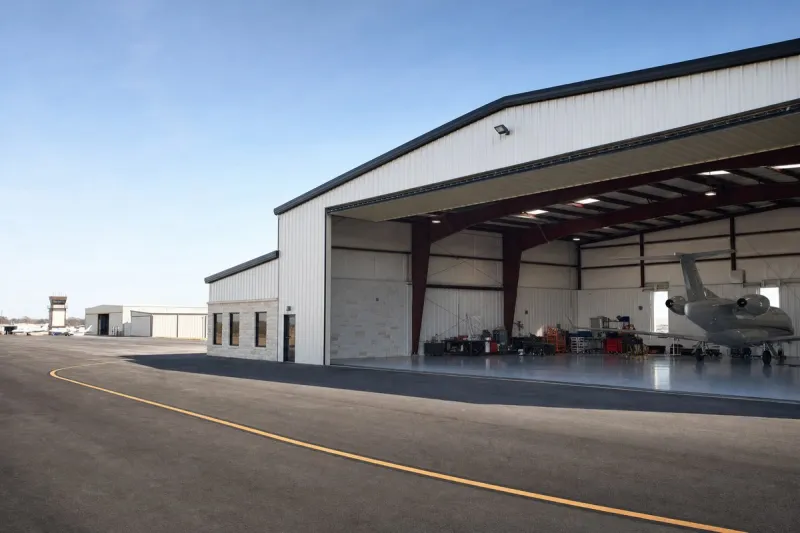
Aerospace orders totaled $5 billion during the quarter, and quarterly Gulfstream deliveries rose to 40 aircraft from 39 a year earlier.
Industry impact & what to watch
Gulfstream's deliveries moved only from 39 to 40 aircraft year on year, while the group's revenue grew nearly 13%. The numbers show how little of a diversified defense prime's growth now comes from the business-jet line: the submarine awards and a backlog above $220 billion set the pace, and the aerospace segment contributes steady, comparatively flat unit output within that larger picture.
That structure matters for how the business-aviation segment is read from outside. Manufacturers owned by defense groups report jet deliveries inside consolidated results, so a strong quarter can reflect shipyard throughput as much as cabin-class demand. The $5 billion in aerospace orders is the figure that speaks most directly to private-aviation appetite, and it sits alongside, not above, the submarine bookings.
The easing of supply-chain and labor bottlenecks that Novakovic described is the variable with the most reach. Shipyards converting backlog into earned hours faster is what supports the raised guidance, and the same normalization of supplier throughput is what lets a manufacturer hold or lift delivery cadence. The next quarterly delivery count will show whether Gulfstream output follows the shipyards upward.