SyberJet Unveils SJ36 Mockup in Las Vegas; STA Jets, Goodwin Make Acquisitions; Pratt & Whitney Canada Introduces PT9 Turboprop
Why It MattersLetters of intent, brand-preserving acquisitions and a certified engine launch show business aviation capital flowing to new airframes, consolidation of management and data services, and turboprop propulsion upgrades, while commitments stay non-binding.
What happened
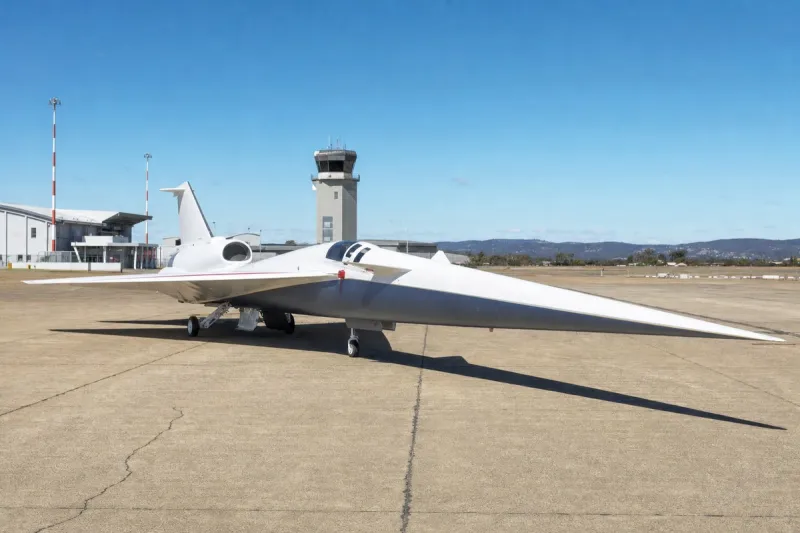
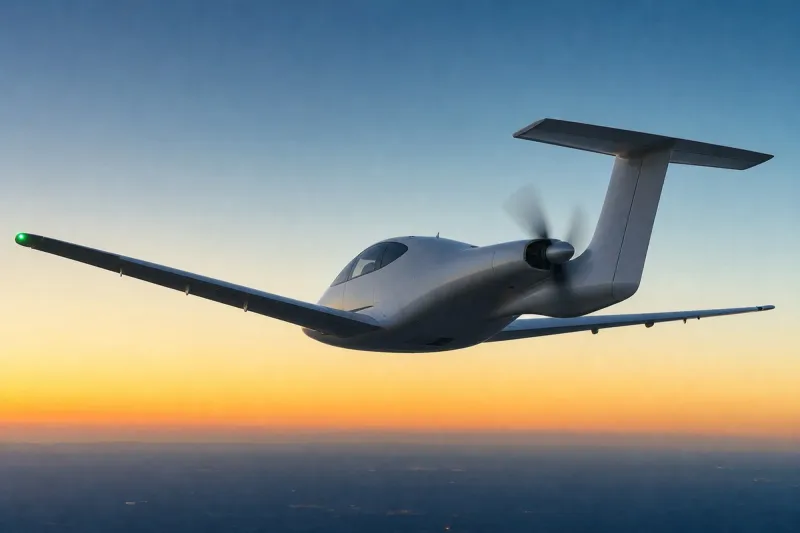
At its SyberJet World event at Henderson Executive Airport on the eve of NBAA-BACE, SyberJet Aircraft unveiled a full-scale mockup of the cabin and cockpit of the SJ36 light jet, a stretched and redesigned upgrade of the FAA-certified SJ30-2. The company is targeting first flight around 2029 and entry into service in 2032.
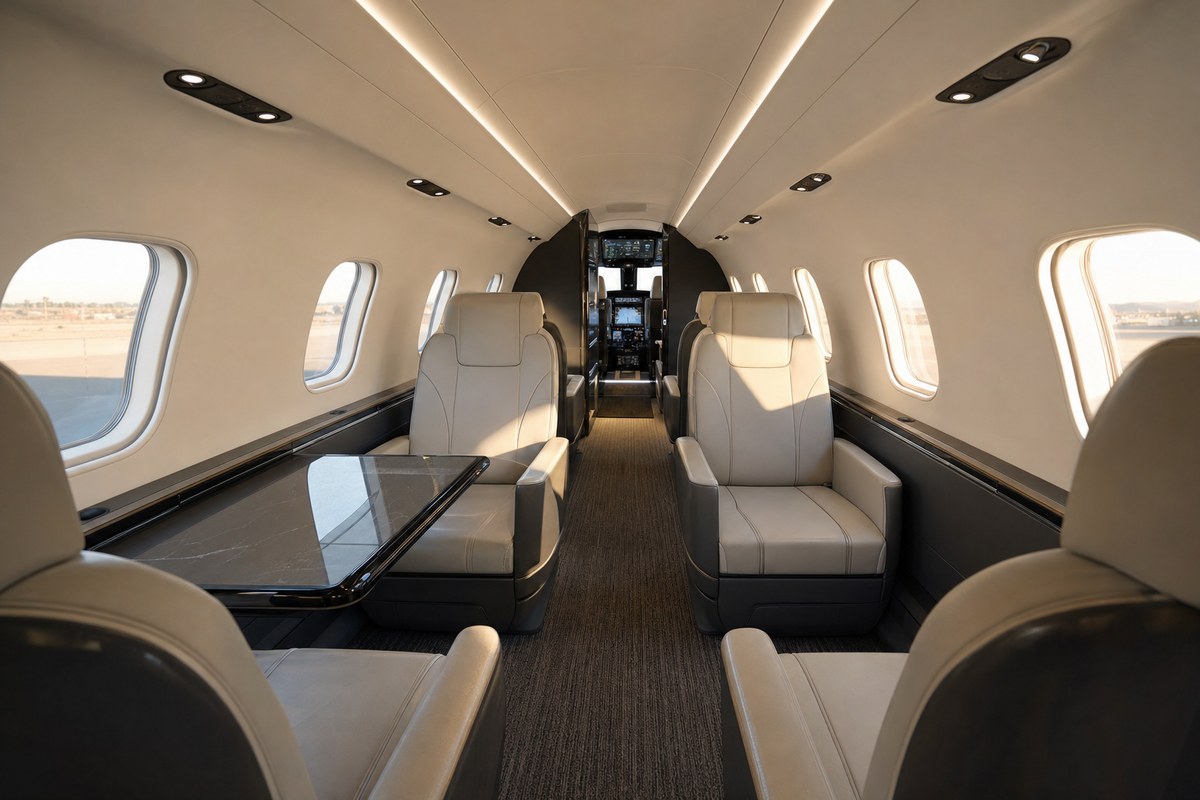
SyberJet took letters of intent for more than 50 aircraft from charter operators, flight departments and private owners; letters of intent are not firm orders. The program has been owned since 2024 by an investment group headed by CEO Trevor Milton.
In mergers and acquisitions, aircraft management and charter provider STA Jets, headquartered in Southern California, acquired Denver-based International Jet, according to AIN. Founded in 1979, International Jet operates 17 aircraft, from turboprops to large-cabin jets, from its private terminal at Denver Centennial Airport (KAPA). Separately, financial technology platform Goodwin Company acquired STACK.aero, per Corporate Jet Investor. STACK.aero will continue as its own brand, with founder Greg Jarrett remaining CEO and the existing team in place.
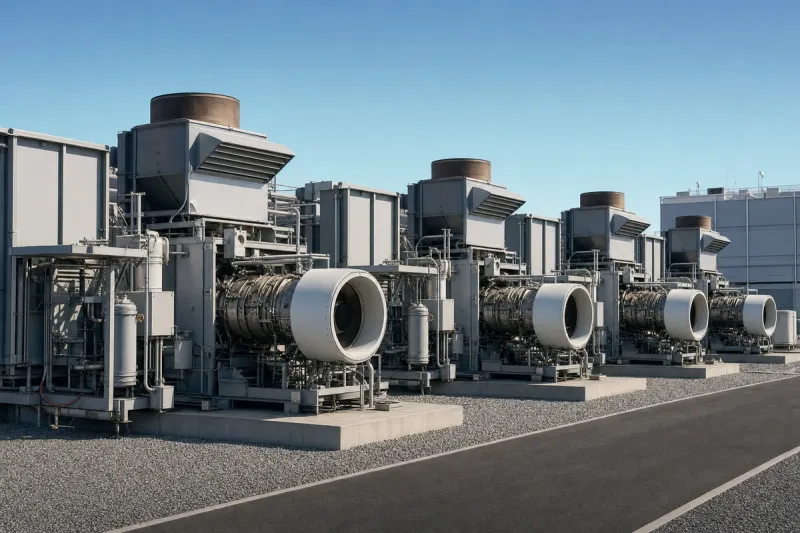
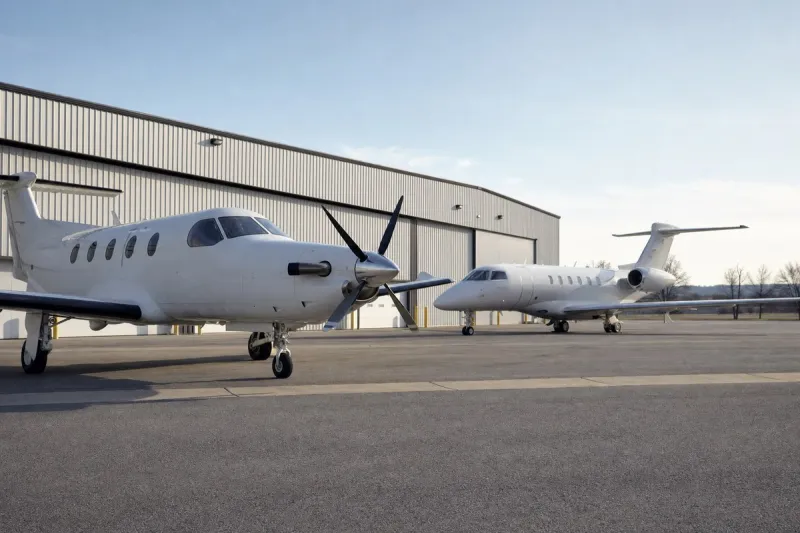
Pratt & Whitney Canada unveiled the PT9 turboprop, which the company says delivers 33% more power at altitude and 20% lower fuel consumption than the previous-generation PT6. The engine was recently certified by Transport Canada after more than 14,000 development hours, features new digital capabilities and a modular design adaptable to a range of airframes and to a hybrid powertrain. Production will take place in Lethbridge, Alberta. Pratt has delivered more than 64,000 PT6 engines.
Bombardier plans 800 US hires and about $270 million of first-phase US investment, per Corporate Jet Investor.
Industry impact & what to watch
A new light-jet program announced with a 2032 service-entry target and letters of intent rather than firm orders shows how the segment's early commitments work: they signal appetite among charter operators, flight departments and private owners, but carry no deposit-backed obligation. The conversion of those letters into firm orders is the measure that will separate interest from a funded program.
The two acquisitions point in a different direction. A management and charter provider absorbing a 17-aircraft Denver operator with its own terminal adds fleet and ground presence in one step, while the fintech purchase of STACK.aero keeps the acquired brand, founder and team intact. Both fit a segment in which scale in management, charter and data services is built by buying established operations instead of starting them.
On the propulsion side, a Transport Canada-certified engine claiming 33% more power at altitude and 20% lower fuel consumption than the PT6 puts a concrete performance claim in front of turboprop airframers, with a modular design aimed at multiple airframes and a hybrid powertrain. How quickly Lethbridge production turns into airframe selections is the next marker.