Metropolitan Airports Commission Opens 45-Day Comment Period on St. Paul Downtown Airport 2045 Long-Term Plan
Why It MattersLong-term plans at reliever general aviation airports set the safety geometry, runway length and hangar land that corporate operators rely on, long before any construction vote or environmental review takes place.
What happened
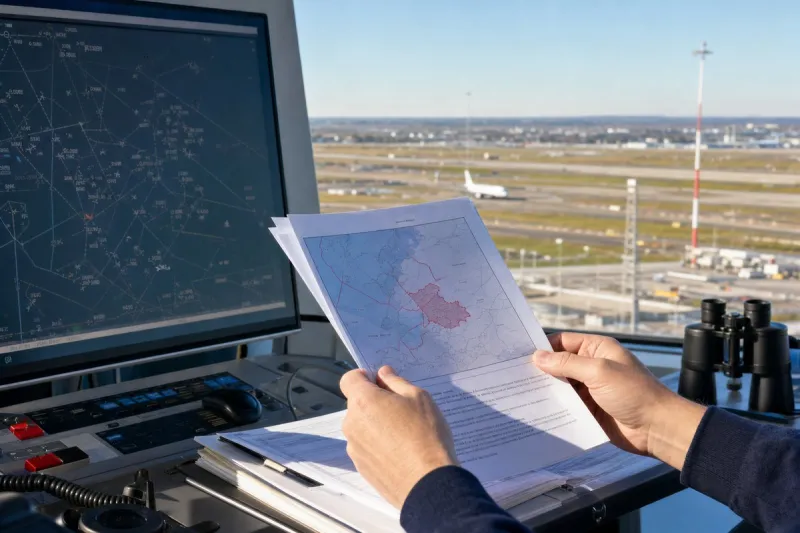
The Metropolitan Airports Commission (MAC) has opened a 45-day public comment period for its St. Paul Downtown Airport (STP) 2045 Long-Term Plan, a document intended to provide a high-level framework for future development. Written comments will be accepted until 5:00pm on Wednesday, December 9, 2026, and an open house will take place at the airport on November 4. The draft plan is available online, along with information about the planning process and a link to submit comments.
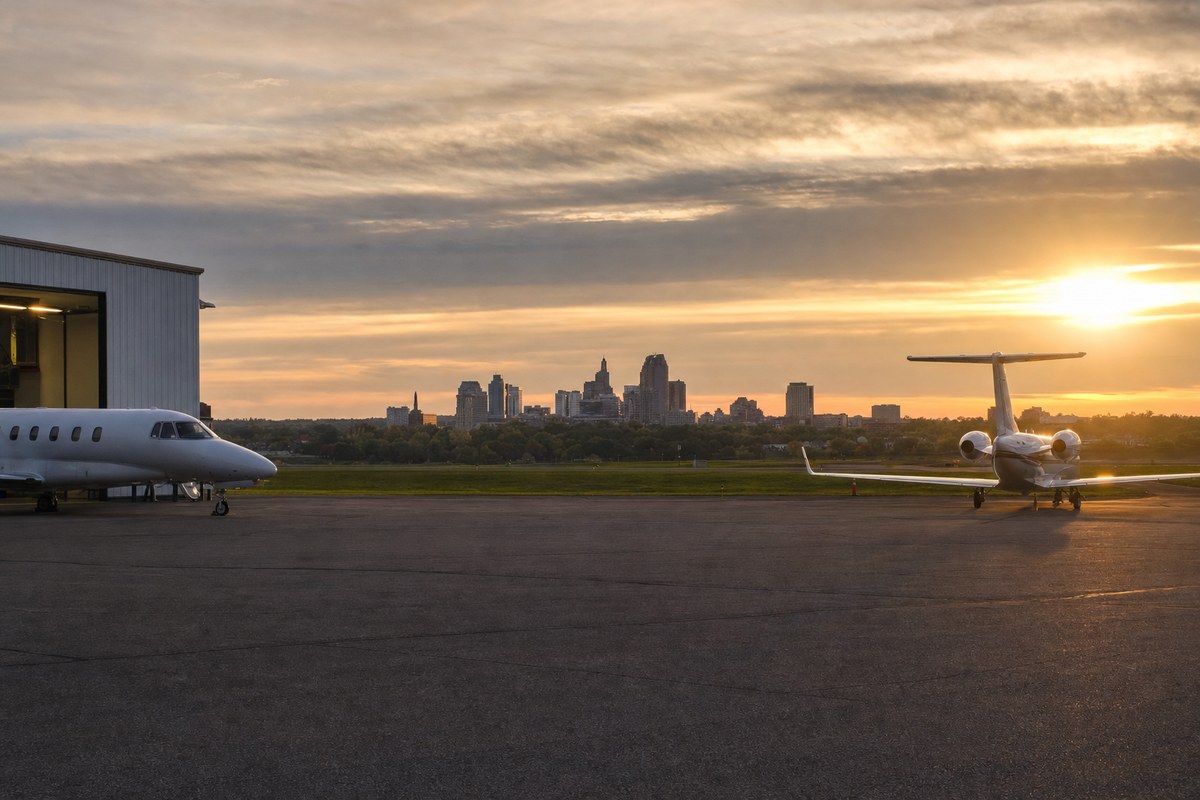
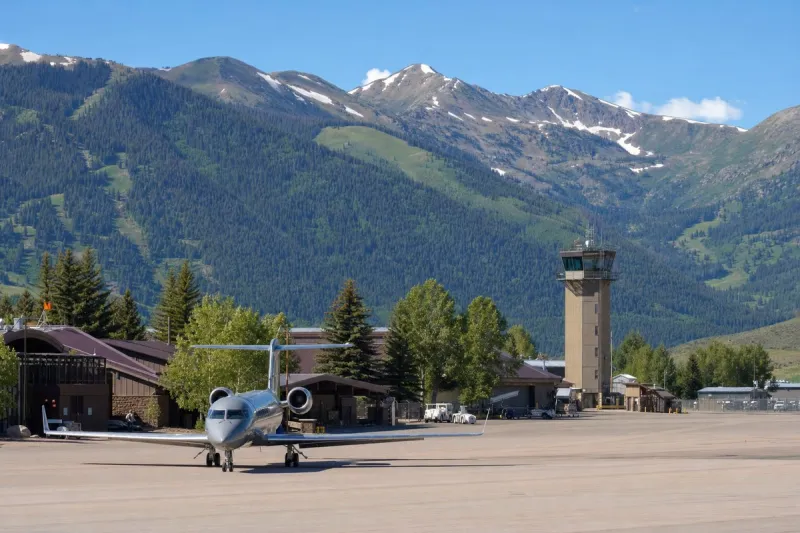
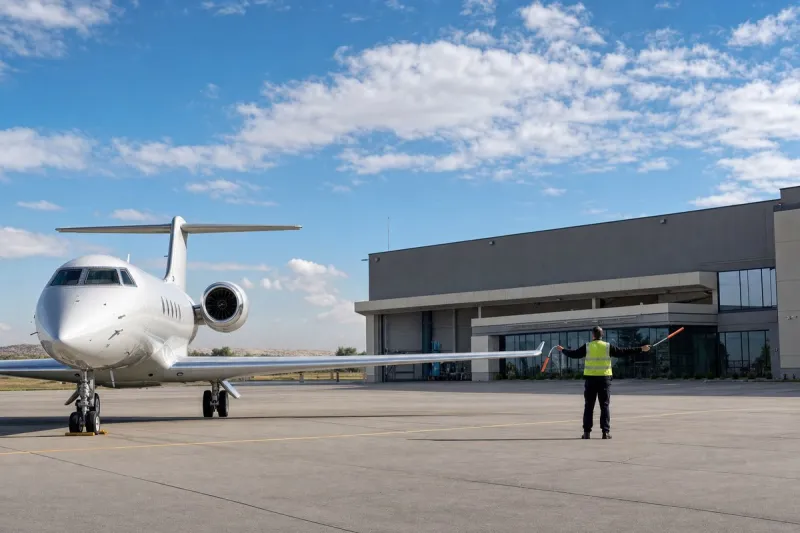
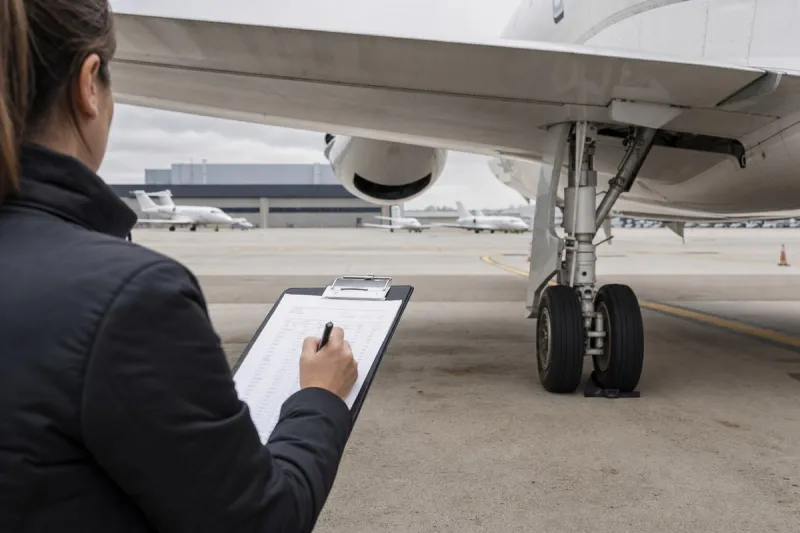
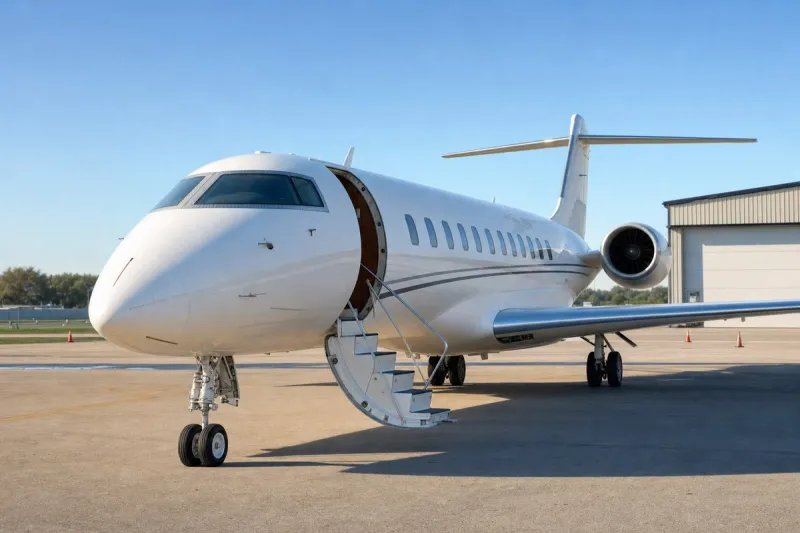
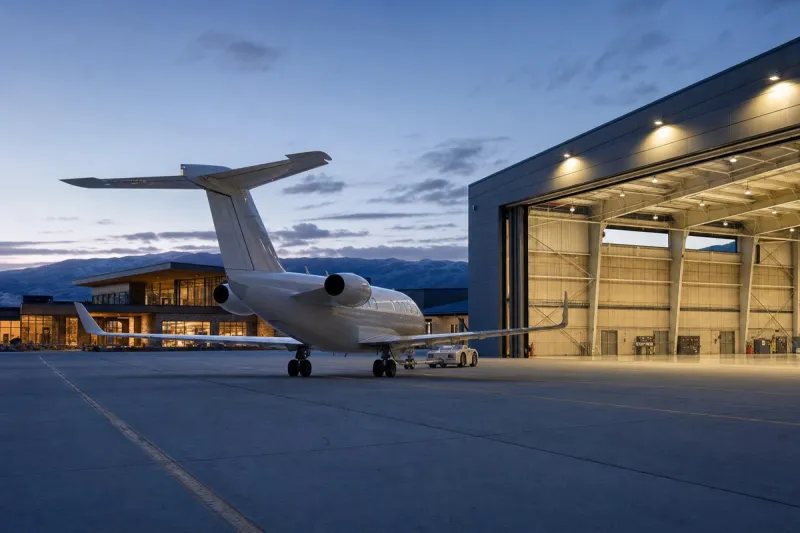
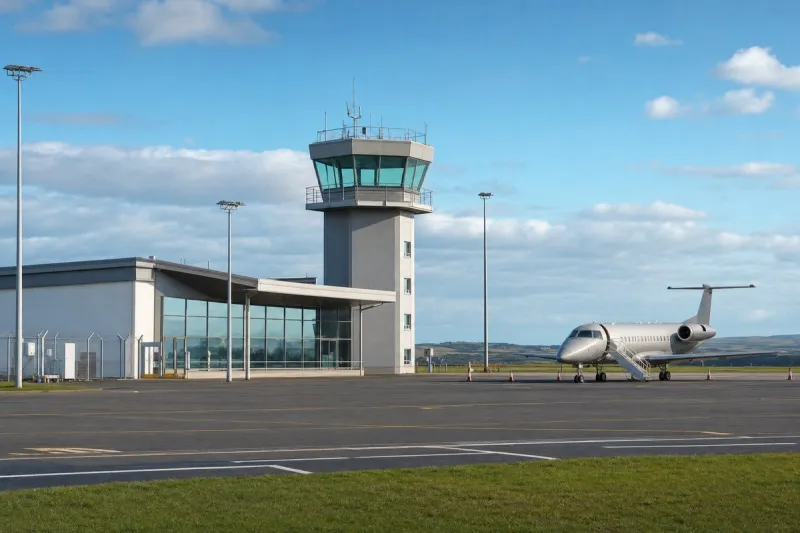
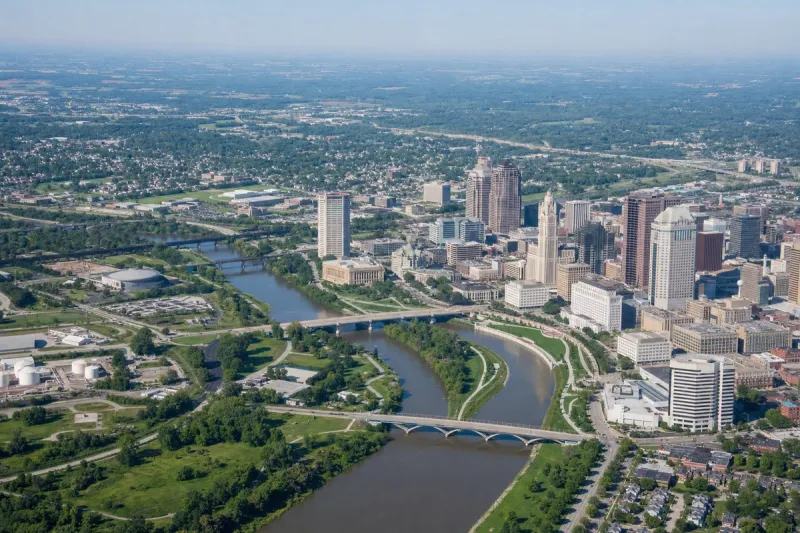
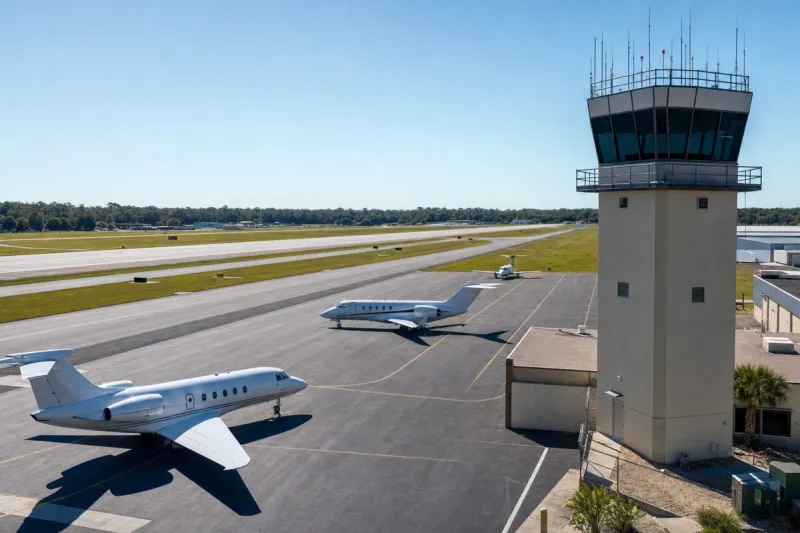
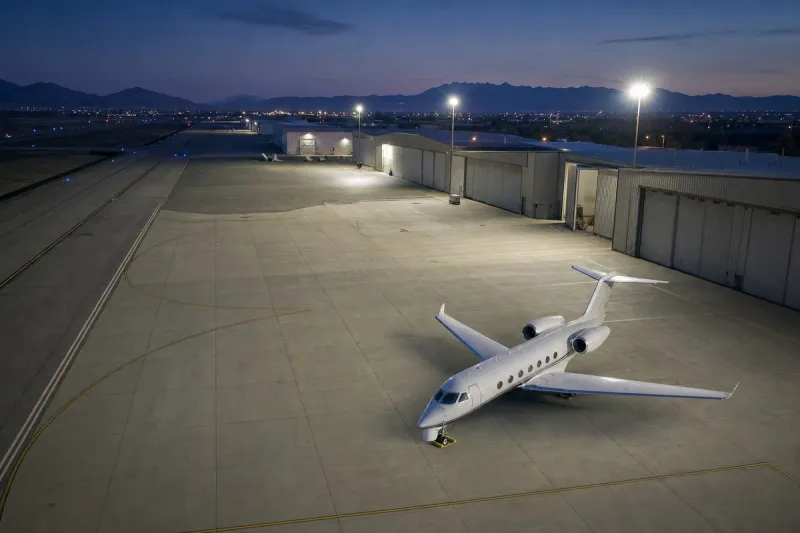
STP serves primarily corporate-based aircraft. It sits across the Mississippi River from downtown St. Paul and has the longest runway, at 6,941 ft, of the six Twin Cities general aviation airports operated by the MAC. It also provides aviation services and aircraft storage, with in-demand hangar space for more than 100 aircraft.
To date, the MAC has sought input from the Federal Aviation Administration and stakeholder groups to develop a series of proposed improvements across airport property. The stated objectives include improving Runway 14-32 safety and object-free areas, simplifying and standardising the runway and taxiway configuration and geometry, and preserving the primary runway length with no proposed modifications to expand it. They also include maximising available runway when the temporary floodwall is deployed, opening acreage for aeronautical development, and accommodating emerging aviation technologies.
Bridget Rief, the MAC's vice president of planning and development, described the plan as a forward-looking roadmap that identifies facility and infrastructure needs based on projected airport activity. In her description, it guides strategic investments and safety improvements so the airport can meet future demand while continuing to serve users and the surrounding community.
The draft plan outlines potential airport projects but does not authorise construction. Once the plan is fully approved, the MAC will follow any required environmental review processes and vote on separate budget actions to approve specific projects before construction begins.
Industry impact & what to watch
A long-term plan of this kind sits at the start of a long approval chain. It fixes the direction for geometry, safety areas and land use, while the money and the construction authority come later through separate votes. For corporate flight departments and the service providers based at an airport like STP, the practical stakes lie in what the plan reserves: runway length, taxiway layout and developable acreage for hangars and other aeronautical uses.
Two items in the draft bear directly on how usable the field is. The decision to preserve the primary runway length without expansion keeps the 6,941 ft figure as the planning baseline, and the objective of maximising available runway while the temporary floodwall is deployed addresses a constraint specific to this site's river setting. Operators whose aircraft depend on that runway length will want to see how the final text treats both.
The next dated milestones are the November 4 open house and the December 9, 2026 comment deadline. After final approval of the plan, environmental review and separate MAC budget votes would have to come before any project is built, so project-level detail, and the commitments that go with it, only appears at those later stages.