US Refiner Margins Hit Record for Third Straight Session as Fuel Stockpiles Fall
Why It MattersRefiners shifting output toward diesel and jet fuel leave gasoline supply tight, and rebalancing the product slate depends on gasoline margins rising enough to compete with other fuels.
What happened
The 3-2-1 crack spread, the most widely used benchmark for U.S. refiner profitability, rose more than 2% on Thursday to close at a record $69.66 a barrel, its third consecutive record-high session. The spread is traded on the New York Mercantile Exchange and is used by refiners to hedge and lock in profit margins. Low stockpiles and worsening tensions in the Middle East are raising concerns about potential supply shortfalls in the United States, the world's largest fuel consumer.

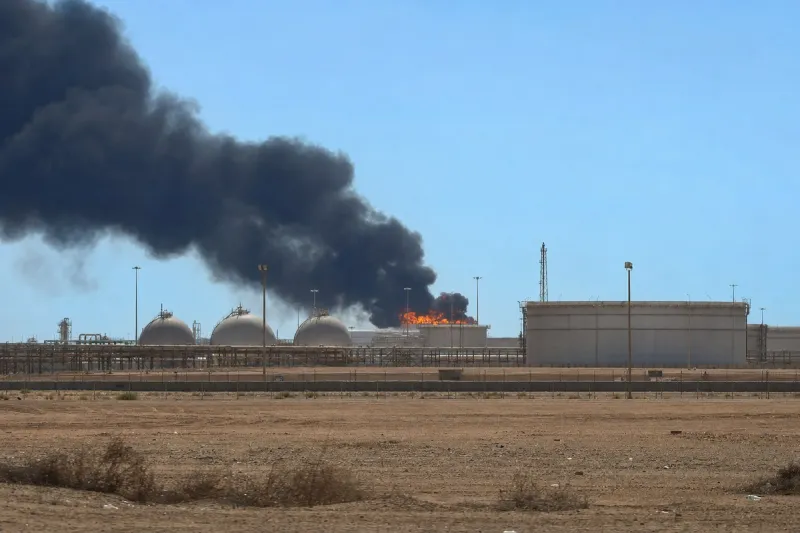
U.S. refiners have been the biggest beneficiaries of the Iran war, as international buyers have sought their supplies and pushed U.S. fuel exports to record highs. Domestic fuel stockpiles have fallen and fuel prices have risen sharply as a result, weighing on consumer budgets during peak summer driving season and posing potential problems for farmers in the Midwest.
Diesel has been the main driver of U.S. refiner economics in recent months. Inventories had been tight for years because of refinery closures in the West. Disruptions to Middle Eastern exports from the Iran war tightened the market further, and a temporary ban on Russian exports announced this month worsened the global diesel shortage. The diesel crack spread settled at over $91 a barrel, a record high. U.S. Energy Information Administration (EIA) data showed diesel stockpiles rose 4.5 million barrels last week to over 102 million barrels, still nearly 11 million barrels below the level on Feb…
Gasoline supplies are a growing concern as U.S. and global refiners have cut gasoline output in favor of higher diesel and jet fuel yields. U.S. gasoline inventories fell more than 1.5 million barrels to 210.5 million barrels in the week ended July 10, down more than 42 million barrels since the week ended February 27 and about 14 million barrels below the five-year seasonal average, the lowest for this time of year since 2012, according to the EIA. The U.S. gasoline crack spread settled at about $59 a barrel, a level last reached in June 2022.
The U.S. national average retail gasoline price stood at $3.95 a gallon on Thursday, up nearly 80 cents from a year earlier, GasBuddy data showed. Prices had reached as high as $4.56 per gallon in May amid disruptions to Middle East oil exports from the blockade of the Strait of Hormuz. President Donald Trump has accused oil companies of price-gouging without providing evidence. London-based independent oil analyst John Kemp wrote that encouraging refiners to return to maximizing gasoline will require higher retail and wholesale gasoline prices and increased margins relative to other fuels.
Industry impact & what to watch
Refinery economics are set by the relative value of each product, and refiners steer their yields toward whichever fuel pays best. With diesel margins at records, and jet fuel also drawing higher yields, gasoline output has been the product given up. That is the mechanism behind gasoline inventories falling while the diesel and overall crack spreads climb.
For business aviation, the relevant link is jet fuel, which competes with diesel and gasoline for the same refinery capacity. When refiners favor distillate-range products, jet fuel supply tends to hold up, but prices follow the broader distillate market. Fuel is a pass-through cost for charter and fractional operators, so a sustained period of elevated distillate margins feeds into trip pricing and fuel surcharges rather than staying inside the refining sector.
The signal that would shift this picture is the one Kemp points to: gasoline margins rising far enough to pull refiners back toward maximizing gasoline. Until the weekly EIA inventory figures show gasoline stocks recovering toward the five-year average, the supply side stays tight.