Gulf Escalation Warnings and Strengthening El Nino Squeeze Charter Planning Margins
Why It MattersAirspace in the Gulf can shift from advisory to unusable faster than charter planning cycles, so route redundancy, fuel policy and written war-risk cover become the working margin for long-haul operations.
What happened
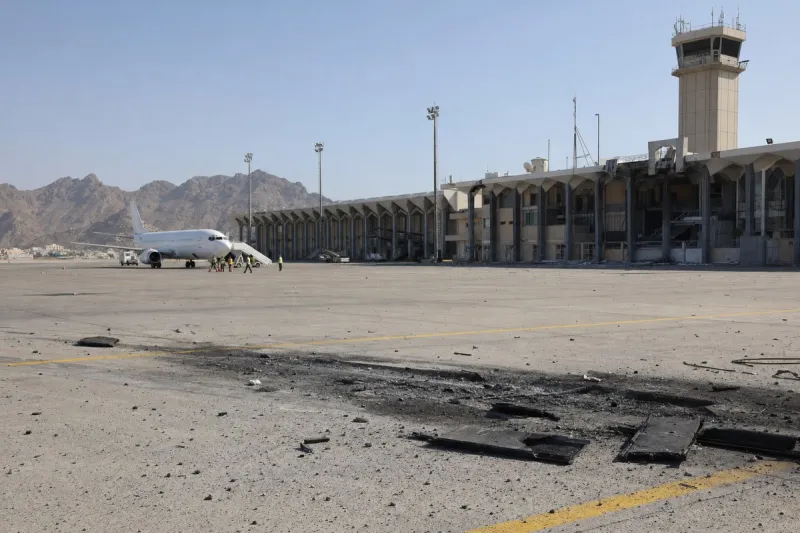
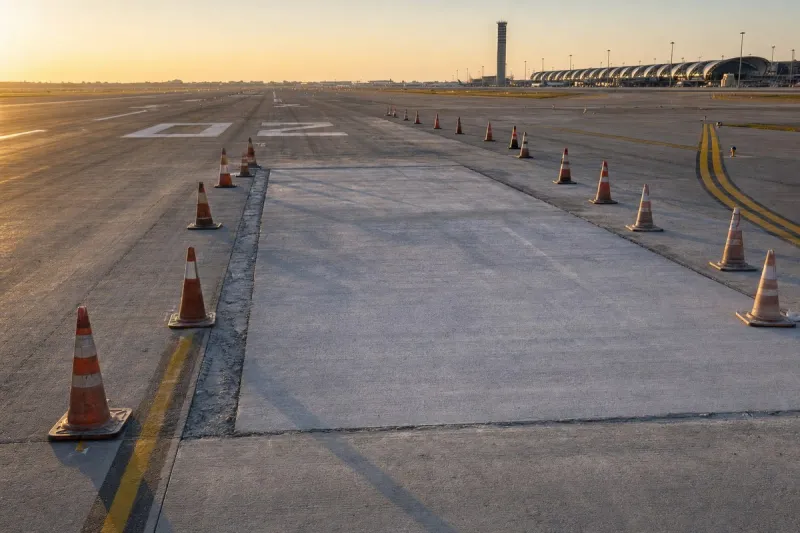
Riyadh's King Khalid International Airport reopened on October 18 but is operating at limited capacity after missile strikes, and scheduled carriers have not fully returned. Etihad has extended cancellations to Riyadh, Dammam and Jeddah to November 5. IndiGo announced on October 28 that its Riyadh, Jeddah, Dammam and Madinah services would stay cancelled until November 14, citing continuing airspace restrictions.

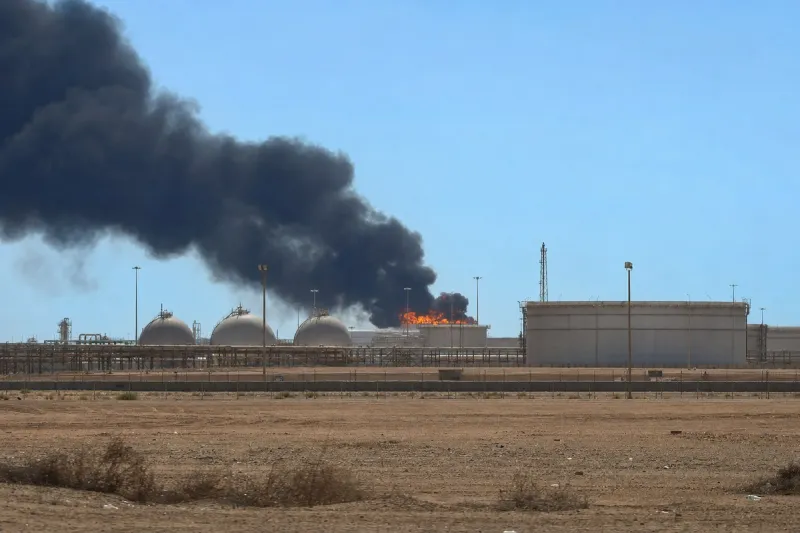
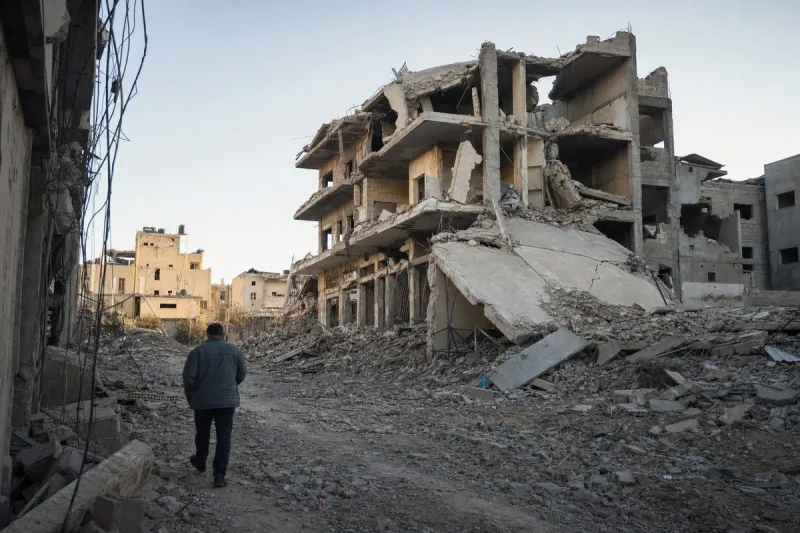
Saudi airports have been struck and only partially restored. Western governments have issued their strongest warnings across more than a dozen states, and the United States has told Gulf governments to prepare for a short, intense military campaign after its midterm elections. The US Embassy advisory notes that the Federal Aviation Administration has issued a NOTAM or Special Federal Aviation Regulation over risks to civil aviation within or near Saudi Arabia.
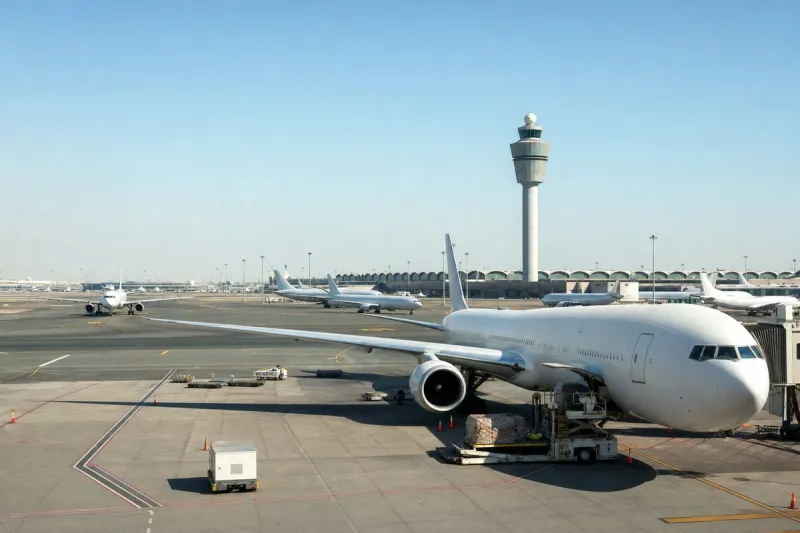
Operations in Saudi Arabia are restricted and intermittently disrupted, not under a blanket closure. The main Emirati hubs, Abu Dhabi, Dubai and Sharjah, continue to operate. EASA has extended its Conflict Zone Information Bulletin covering the UAE and the wider Persian Gulf to November 16, 2026, which marks advisory airspace requiring a documented risk assessment, not prohibited airspace. A South African immigration notice reinstating visa concessions lists airspace closures across Iran, Iraq, Syria, Qatar, Bahrain, Kuwait, Lebanon, Saudi Arabia, the UAE, Israel and others.
On weather, Cyclone Arnab, the first named storm of a late-starting North Indian Ocean season, formed in the Bay of Bengal on October 25 and made landfall on the Andhra Pradesh coast with sustained winds around 140 kilometres per hour. Thailand's flooding keeps its toll and affected population high. Super Typhoon Rosal, also referred to as Champi, brushed far northern Luzon without making landfall, and Typhoon Dujuan caused flooding, landslides and power outages in Chiba and Kanagawa in September. El Nino has strengthened to what is described as a super El Nino, tied to months of Indonesian wildfires.
Short-notice temporary flight restrictions over the Columbus and Chillicothe areas are a reminder that domestic US movements also need same-day NOTAM checks.
Industry impact & what to watch
The distinction between advisory and prohibited airspace is what governs charter economics here. An EASA bulletin demands a documented risk assessment but leaves the airspace open, so flights remain legal while insurers, crews and clients each apply their own threshold. That gap is where planning margin gets consumed.
For long-haul charter between Europe, Africa and South or Southeast Asia, the practical effect is route redundancy: pre-briefed alternative tracks avoiding Iran, Iraq, Syria and the Saudi-Yemeni border region, with fuel to execute them from the point of no return. Longer routings can force tech stops for mid-size and super-mid aircraft, which eats crew duty time, and alternates need to sit outside the affected region. Brokers should expect war-risk and extended-territory questions referencing the EASA bulletin, the FAA notice and national advisories, and should confirm coverage in writing before committing a trip.
The dates that would settle the picture are Etihad's November 5 and IndiGo's November 14 cancellation horizons, the EASA bulletin's November 16 expiry, any FAA amendment to the Saudi notice, any shift from advisory to prohibition after the US midterms, and further development in the Bay of Bengal.