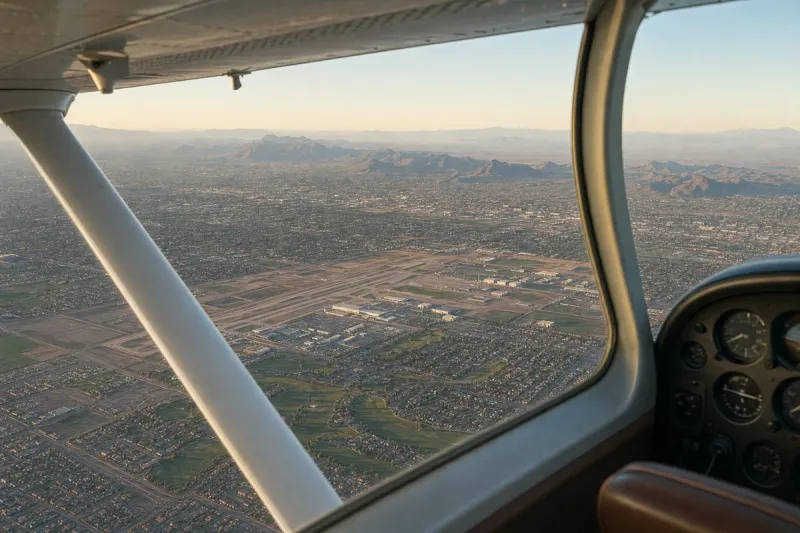
Secret Service Cites 'Heightened Threat Environment' as Surface-to-Air Missile Systems Deployed at Mar-a-Lago and Trump International Airport
Why It MattersGround-based air defense and counter-drone assets at a civil airport show that protective airspace around a general-aviation-adjacent site is now enforced from the ground, not only by intercepting aircraft in flight.
What happened
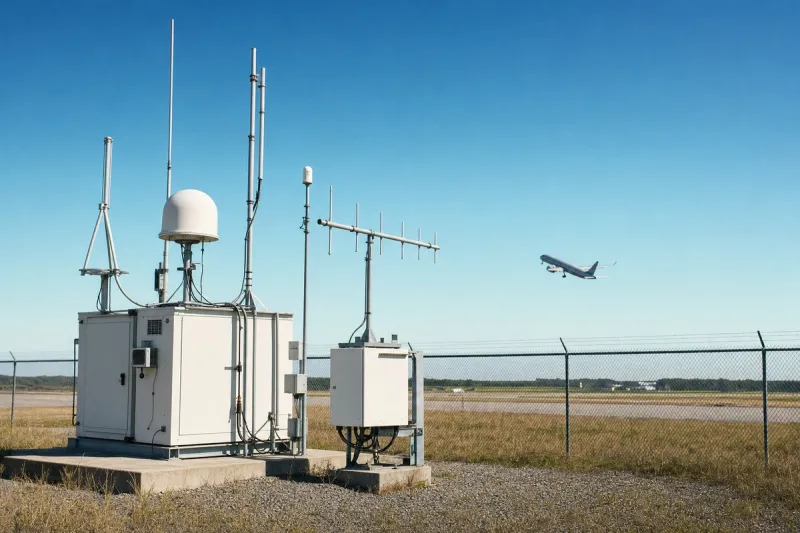
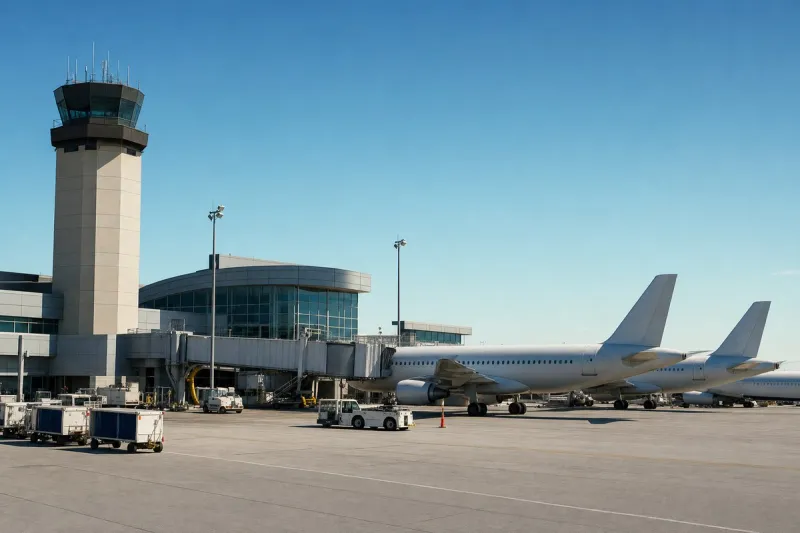
Surface-to-air missile systems have been deployed at Mar-a-Lago and Donald J. Trump International Airport at the request of the U.S. Secret Service, according to federal officials. The systems are designed to defend against aerial threats, including aircraft and drones.
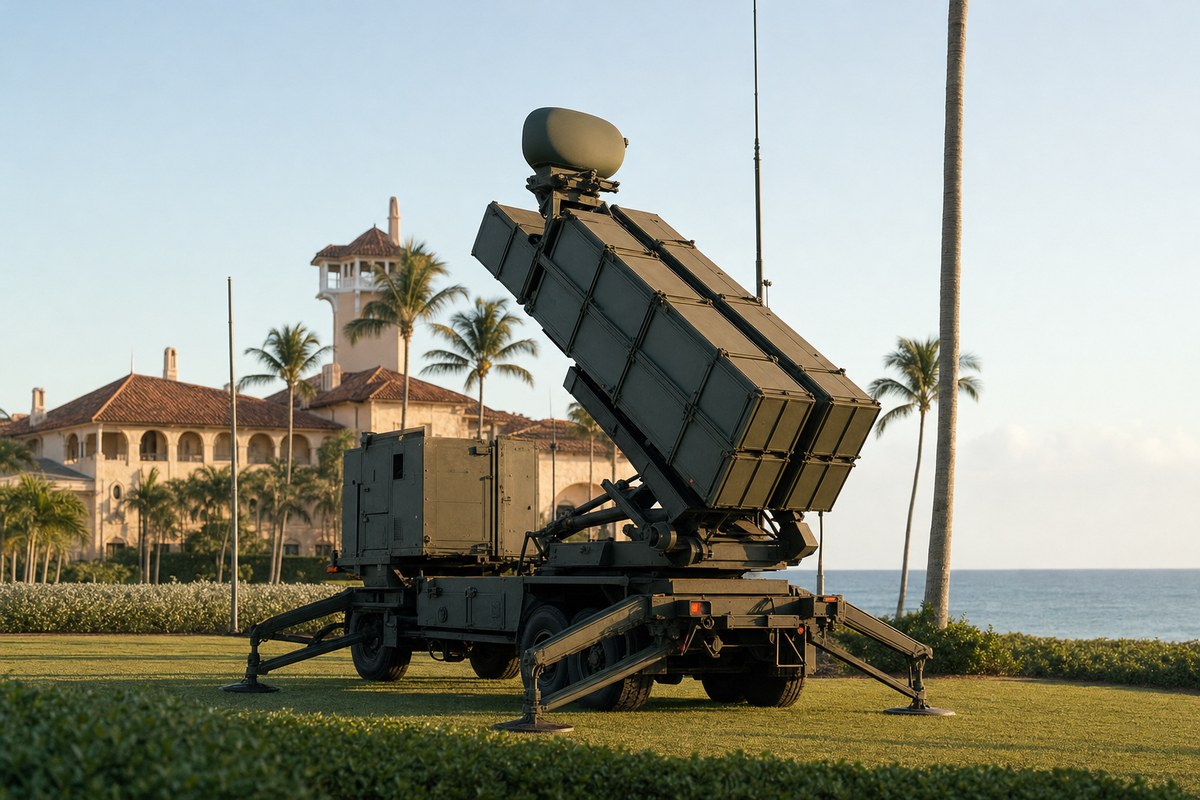
A Secret Service spokesperson said the agency is operating in a heightened threat environment and continuously adapts its protective operations to incorporate cutting-edge tools, technology and methods. The statement said that, at the Secret Service's request, NORAD and U.S. Northern Command are providing Counter-Unmanned Aircraft System capabilities in support of protective operations.
NORAD and U.S. Northern Command also confirmed the deployment, saying that under their authorities they deployed ground-based air defense assets in and around Mar-a-Lago, Florida. They said that, for security reasons, they cannot provide tactics, techniques and procedural specifics and referred questions to the Secret Service. NORAD has said more than 60 aircraft have been intercepted over Mar-a-Lago since last year.
Federal officials have not disclosed a specific reason for the deployment and have not publicly identified a specific threat connected to either location. Aviation expert and pilot Michael Leighton told WPBF he believes the deployment signals concern about a credible threat, although federal officials have not confirmed that is the reason.
Industry impact & what to watch
The deployment shows a protective airspace posture that does not depend on fighter intercepts alone. The count of more than 60 intercepts over Mar-a-Lago since last year gives a sense of how often aircraft enter that airspace, and a ground-based system adds a layer that does not require scrambling an aircraft. For business aviation, the practical meaning is that airspace around protected sites is policed with more tools than before, and the consequences of a stray or unauthorized entry are handled by systems that act quickly.
Leighton described the logic in two parts: a drone guided by GPS signals is a concern with the growing use of drones in warfare, and a ground-based missile can be launched in seconds, faster than scrambling a fighter jet such as an F-16. He added that the systems, placed where the public can see them, are likely also meant as a deterrent. That reading is his, not an official finding.
The next fact that would settle the question is any statement from the Secret Service on the basis for the deployment, since NORAD and U.S. Northern Command have referred all such questions to the agency and so far no specific threat has been named.