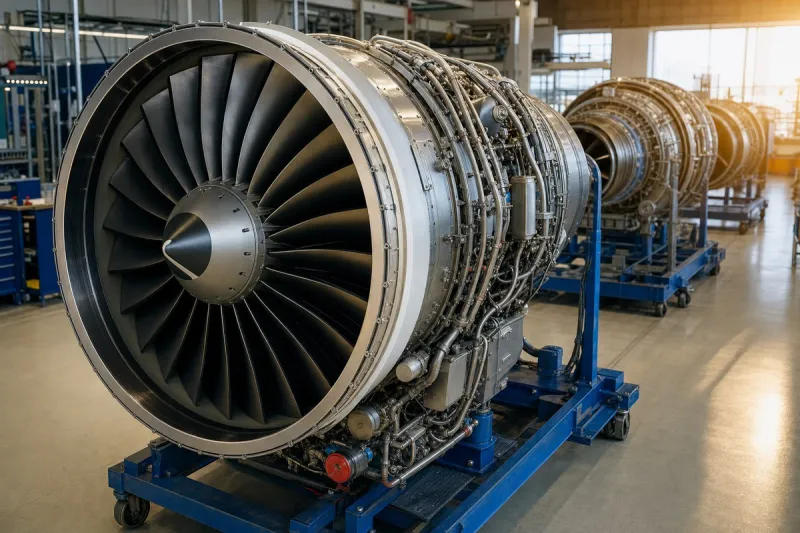
MTU Aero Engines Expects Top-of-Guidance Growth as Legacy Engine MRO Demand Stays Strong
Why It MattersHeavy GTF shop-visit volume alongside steady V2500 overhauls shows that engine maintenance capacity is being consumed by fleet maturity and delayed retirements, not by any softening in airline demand.
What happened
MTU Aero Engines expects full-year growth at the top of its mid-year guidance, driven by strong aftermarket demand across in-service widebody and narrowbody fleets. CEO Johannes Bussmann said on the company's third-quarter earnings call on Oct. 29 that MTU is "not seeing any material changes in the airlines' behavior," citing high fleet utilization and low retirement on mature engine platforms.
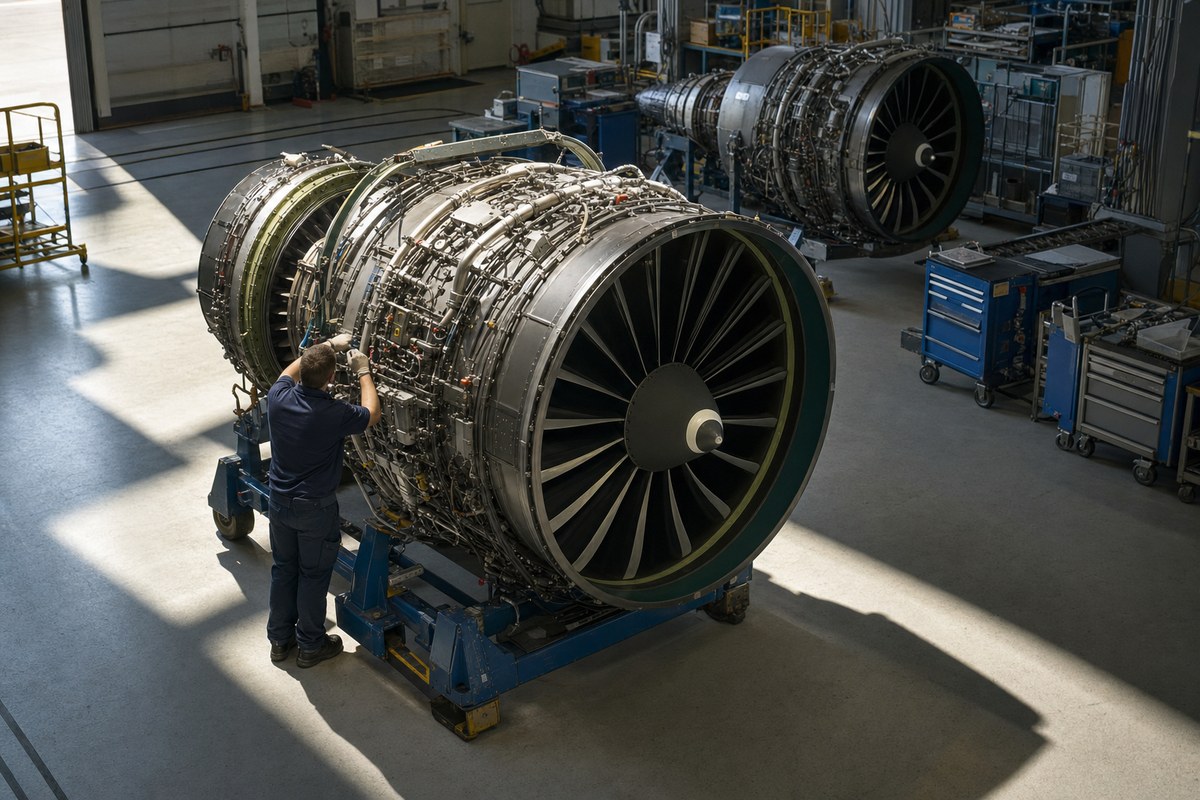
Work on the Pratt & Whitney PW1000G geared turbofan continues to increase as the fleet grows and matures, and is normalizing as Pratt's inspection program for contaminated powder metal parts nears completion. That program has required unscheduled shop visits and related compensation for hundreds of engines since late 2023. Bussmann cited improved operational performance, better availability of powder metal parts and additional shops in the network as contributors to higher GTF engine output from maintenance.
GTF work drove a 13% year-over-year rise in commercial MRO services in the third quarter, to €1.7 billion ($1.9 billion). The nine-month figure was €5.2 billion, up 19%. MTU projects a similar full-year increase in the high teens, the high end of its July 2026 guidance.
CFO Katja Garcia Vila said MTU continues to see demand for widebody engines and mature narrowbody platforms, despite an aggregate decline in IAE V2500 utilization driven by a ramp-up in long-delayed deliveries of newer, more efficient aircraft and higher fuel costs. Bussmann said V2500 flight hours and cycles are lower but retirement rates remain very low, and that induction and request rates for V2500 shop visits are very stable.
July guidance for spare parts called for full-year growth in the low- to mid-teens. MTU now expects the high end of that range, citing strong parts demand for Pratt & Whitney Canada-produced engines and a steady flow of heavy-workscope V2500 overhauls.
Aviation Week Fleet Discovery shows 80 V2500-powered aircraft retired in 2026 out of a fleet of 2,770 in-service and stored aircraft on Jan. 1, about 2.9% of the fleet.
Industry impact & what to watch
The pattern in MTU's numbers is one of two engine generations drawing on the same shop capacity at once. The GTF fleet is growing and aging into more maintenance events, while the older V2500 fleet is being kept flying because newer aircraft arrived later than planned. For engine MRO providers, that combination supports volume on both ends, and it explains why a lower V2500 utilization figure has not translated into lower overhaul demand: with retirements at roughly 2.9% of that fleet this year, the engines that remain are still coming through the shop.
For operators and lessors, the practical consequence is that shop slots and parts remain contested resources. Additional shops in the network and better powder metal part availability are what allow GTF output to rise, so throughput on that program depends on supply-side capacity as much as on airline demand. Where heavy-workscope V2500 overhauls are steady, they compete for the same skilled labor and test capacity.
The next marker is the close of Pratt & Whitney's powder metal inspection program, which MTU says is nearing completion. How much of the GTF volume is inspection-driven versus ordinary fleet maturation will become clearer once that work winds down, and MTU's full-year results will show whether the high-teens MRO growth and top-of-range spare parts growth hold.